Contact Us 440-356-5353

Why Choose Sea Freight Shipping for Global Sourcing?

Global sourcing depends on more than finding a lower factory price. It also requires a dependable way to move products across oceans, borders, and supply networks. Sea freight shipping remains a practical choice for businesses moving large or heavy shipments between continents. A container can hold furniture, machinery, textiles, or thousands of retail units. That capacity often creates a lower cost per unit than air transport.

The advantages become clearer when planning is realistic. Ocean freight usually offers stronger cost efficiency, flexible container options, and broad access to major trading ports. It also supports regular shipping schedules between established routes. Lars Jensen, an independent container-shipping analyst, has stated, “The container shipping industry is a derived demand industry.” His observation matters because freight demand follows real commercial activity, including production, sales, and inventory planning. Businesses should connect shipping decisions to those wider conditions.

Still, sea freight shipping is not automatically the best answer. Transit times can stretch because of port congestion, weather, documentation errors, or schedule changes. I have seen a small labeling mistake delay an otherwise complete shipment. That detail is easy to underestimate. Reliable sourcing therefore requires accurate commercial invoices, suitable packaging, verified cargo dimensions, and careful coordination with qualified logistics partners. Incoterms, insurance, customs requirements, and delivery deadlines also deserve attention. The process is efficient when preparation is disciplined. It becomes expensive when assumptions replace evidence. This guide examines why many global buyers choose ocean transport, while recognizing its limits and the decisions that still require human judgment.
Why Choose Sea Freight Shipping for Global Sourcing?

Sea Freight Shipping: Definition and Role in Global Sourcing

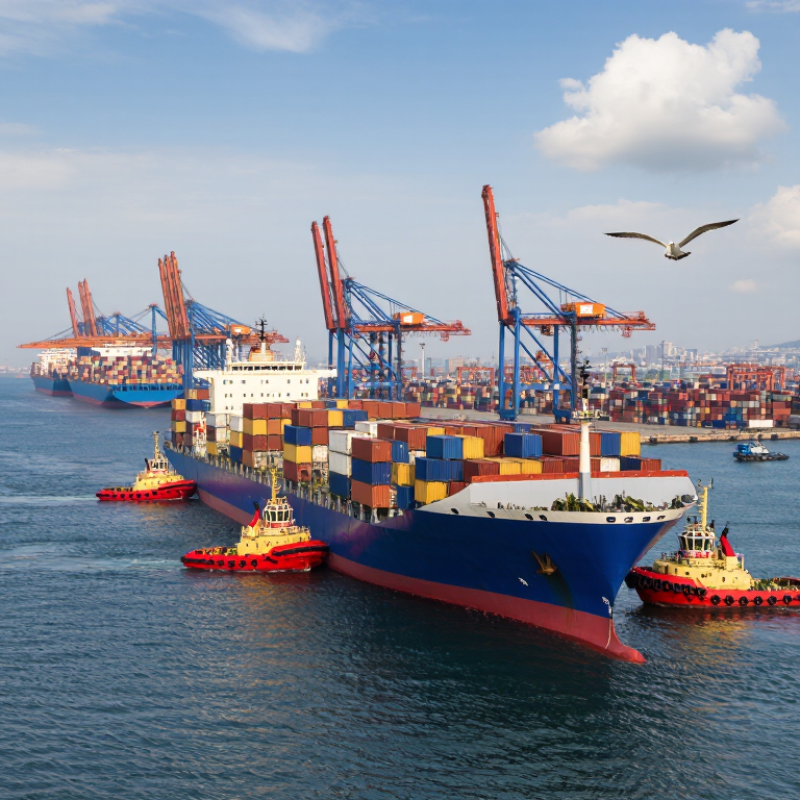
Sea freight shipping is the movement of goods by cargo vessel between ports. It usually serves full-container loads (FCL) or shared-container shipments (LCL). Containers protect cartons from weather, handling, and repeated transfers. Transit may take several weeks, depending on routes, port schedules, and customs procedures. That delay matters.

In global sourcing, sea freight connects overseas suppliers with importers, warehouses, and production sites. A purchasing team can compare supplier prices while estimating freight, duties, insurance, and inland delivery. That landed-cost view prevents a cheap factory quote from becoming an expensive purchase. For example, a buyer may move 20 pallets of household hardware in one container instead of booking many small shipments. Sea transport also supports steadier inventory planning. Scheduled departures help teams align orders with seasonal demand.

In practice, reliable shipping begins before the vessel leaves. Teams should verify carton dimensions, packing strength, documents, delivery terms, and port capacity. A practical lesson is that small measurement errors can distort container plans and freight budgets. Not every decision is clear. Urgent, fragile, or time-sensitive goods may need another transport method. Schedules change. That risk deserves honest attention.
Why Choose Sea Freight Shipping for Global Sourcing?

Sea freight is generally the most carbon-efficient option for transporting large volumes over long distances. The chart compares representative emissions intensity across major freight modes.

Representative benchmark values: grams of CO₂e emitted per tonne-kilometre. Actual results vary by route, vehicle utilization, vessel type, fuel, and operating conditions.

How Sea Freight Supports International Supply Chains

Why Choose Sea Freight Shipping for Global Sourcing?

Sea freight remains the backbone of international supply chains. UNCTAD’s Review of Maritime Transport 2024 reports that ships carry over 80% of global trade by volume. They also transport around 70% by value. This capacity makes ocean shipping practical for furniture, machinery, textiles, and packaged goods. A 40-foot container can move thousands of units across long distances. Its cost per unit is often lower than air freight. That difference matters when sourcing from several countries.

Sea freight also supports planned inventory movement. Suppliers can load cargo at scheduled ports, while importers coordinate warehouses, customs documents, and inland delivery. The World Bank’s Logistics Performance Index 2023 found that only about 60% of international shipments arrive within their expected time. Delays remain real. Storms, port congestion, and inaccurate paperwork can disrupt production. A low ocean rate may hide higher storage costs. That trade-off deserves honest review.

Tips: Match shipping speed with product risk. Build buffer stock before seasonal demand. Confirm carton dimensions before booking space. Use clear Incoterms and check every document twice. Track container milestones, not only the final arrival date. For fragile or time-sensitive goods, compare sea-air options carefully. It costs more, but sometimes protects continuity. Mistakes still happen, even with experienced teams. министир

Key Cost Advantages of Choosing Ocean Transportation

For global sourcing, ocean transportation usually offers the lowest cost per unit. Ships move thousands of containers on one voyage, spreading fuel, crew, and port expenses widely. UNCTAD’s Review of Maritime Transport 2024 reports that ships carry over 80% of global merchandise trade by volume. This scale supports competitive pricing for heavy, bulky, and non-urgent goods.

Ocean freight also reduces packaging pressure and long-distance trucking costs. A full container can move factory-sized quantities with fewer handling events. The World Bank’s Logistics Performance Index 2023 highlights transport reliability and cost as major supply-chain concerns. However, low freight rates do not guarantee low landed costs. Demurrage, customs delays, inland delivery, insurance, and inventory financing can change the calculation. The cheapest quote can become an expensive mistake. That deserves careful review.

Tips: Compare total landed cost, not only the ocean rate. Request quotes for full-container and consolidated shipments. Add port fees, local transport, duties, and storage. Choose realistic delivery windows, because ocean schedules can shift. Keep safety stock for seasonal demand. UNCTAD recorded severe schedule disruptions during recent maritime crises, proving that savings may require patience and contingency planning. A useful review should compare at least three routing options, then test each against delays of seven to fourteen days. Perfect forecasts are rare.

Shipping Capacity, Cargo Types, and Route Flexibility

Why Choose Sea Freight Shipping for Global Sourcing?

Shipping Capacity, Cargo Types, and Route Flexibility

Global sourcing often involves large orders, varied products, and changing delivery schedules. Sea freight makes this scale practical. A single container can carry pallets of furniture, machinery, textiles, or packaged goods. This capacity usually supports lower transport costs per unit than air freight. It also helps buyers plan regular inventory replenishment.

Cargo compatibility is another advantage. Dry containers protect most manufactured products from weather and handling risks. Refrigerated containers support temperature-sensitive food and other permitted goods. Open-top or flat-rack equipment can accommodate oversized machinery when standard containers are unsuitable. Cargo still needs careful packing. A damaged corner or poorly secured pallet can create expensive delays.

Route flexibility gives sourcing teams more control. Shipments can move through different ports when congestion affects the preferred route. Multimodal connections may link a factory area to an inland distribution center by rail or truck. Experienced planners compare sailing frequency, port performance, customs requirements, and final-mile distance before booking. The cheapest ocean route is not always the most reliable one. I would also question fixed assumptions, because weather, labor disruptions, and demand changes can quickly alter a workable plan. A few extra transit days may be acceptable for stable inventory, but not for urgent seasonal goods.

Why Choose Sea Freight Shipping for Global Sourcing? - Shipping Capacity, Cargo Types, and Route Flexibility
Sea Freight Solution Typical Shipping Capacity Best-Suited Cargo Types Route Flexibility Typical Ocean Transit Time Cost and Planning Profile Global Sourcing Advantage
Full Container Load (FCL) 20-foot, 40-foot, and 40-foot high-cube containers
Common payload capacity is approximately 21–28 metric tons, subject to container specifications and local road limits.
Boxed goods, machinery, furniture, packaged consumer products, raw materials, and palletized cargo. Strong flexibility through direct services or transshipment hubs between major production regions and destination ports. Approximately 20–45 days for many intercontinental routes, excluding customs clearance and inland transport. Usually the most economical option when cargo volume is sufficient to fill a container. Requires accurate volume forecasting and container planning. Provides dedicated space, lower handling exposure, predictable loading plans, and efficient movement of large purchase orders.
Less than Container Load (LCL) Typically used for shipments below one full container, often from about 1 cubic meter to 15 cubic meters depending on the consolidator. Samples, spare parts, small purchase orders, mixed cartons, and goods from multiple suppliers. Broad network coverage through consolidation warehouses and scheduled connections, although additional handling points may apply. Approximately 25–55 days because cargo may require consolidation, deconsolidation, and additional terminal handling. Lower entry cost for small shipments, but the per-cubic-meter cost is generally higher than FCL. Documentation must be precise for co-loaded cargo. Allows buyers to source from several suppliers without waiting to accumulate a full container, reducing inventory delays during market testing.
Refrigerated Container Shipping Standard 20-foot or 40-foot refrigerated containers, commonly carrying about 24–29 metric tons depending on equipment and regulations. Fresh and frozen food, pharmaceuticals, chemicals, flowers, beverages, and other temperature-sensitive products. Available on many major routes, but route selection depends on reefer plugs, cold-chain facilities, power reliability, and port capabilities. Approximately 20–45 days on major intercontinental services, with strict requirements for temperature monitoring and contingency planning. Higher freight and handling costs than dry containers because of electricity, monitoring, pre-trip inspection, and specialized terminal services. Enables global sourcing of seasonal and temperature-sensitive goods while protecting product quality during long-distance transport.
Roll-on/Roll-off (Ro-Ro) Cargo is loaded by driving or towing it onto the vessel. Capacity is measured mainly by vehicle lanes, deck space, and unit dimensions rather than TEUs. Cars, trucks, buses, agricultural equipment, construction machinery, trailers, and wheeled industrial units. Flexible for ports with suitable ramps and vehicle-handling facilities, but the service network is narrower than standard container shipping. Approximately 20–50 days depending on sailing frequency, port sequence, and cargo routing. Can reduce packing and lifting requirements. Total cost depends on vehicle dimensions, deck measurement, securing, and port handling charges. Simplifies the movement of mobile equipment and reduces the need for container loading, crating, and repeated lifting.
Breakbulk and Project Cargo Handles individual units that exceed standard container dimensions or weight limits. Cargo may range from several tons to hundreds of tons per piece. Steel products, transformers, turbines, generators, industrial modules, timber, pipes, and oversized machinery. Route flexibility depends on vessel availability, heavy-lift capability, berth strength, crane capacity, permits, and inland access. Approximately 25–60 days, with schedules often less frequent and more dependent on cargo readiness and port coordination. Pricing is highly project-specific and includes lifting, securing, engineering, port services, surveys, permits, and specialized inland transport. Makes it possible to source large or irregularly shaped industrial goods that cannot be economically moved in standard containers.
Bulk Vessel Shipping Large quantities of unpackaged dry or liquid commodities, with vessel capacity commonly ranging from several thousand to more than 100,000 metric tons. Grain, coal, ore, cement, fertilizer, crude materials, vegetable oils, and other homogeneous commodities. Efficient on established commodity corridors, but destination options are limited by draft restrictions, storage facilities, and specialized terminals. Approximately 20–60 days depending on commodity, vessel size, loading port, discharge port, and sailing route. Economical for very large volumes. Requires careful attention to commodity specifications, moisture control, loading rates, and terminal capacity. Supports high-volume procurement programs with lower unit costs when the buyer has suitable storage and receiving infrastructure.
Transshipment-Based Ocean Routing Cargo moves through one or more intermediate hub ports before reaching the final destination. Capacity follows the selected container or specialized vessel type. Containerized, refrigerated, project, and other cargoes that do not have a practical direct sailing option. Highest route flexibility because cargo can connect smaller origin or destination ports through major maritime hubs. Usually adds approximately 3–14 days compared with a direct sailing, depending on connection reliability and port congestion. May offer more sailing choices and competitive rates, but requires stronger schedule monitoring and contingency planning. Expands sourcing options to secondary production locations and inland markets that are not served by direct ocean routes.

Data shown are practical industry ranges for planning purposes. Actual capacity, transit time, routing, cargo acceptance, and pricing vary by vessel schedule, port conditions, seasonal demand, cargo specifications, customs procedures, and inland regulations.

Risks, Delays, and Planning Factors in Sea Freight Sourcing

Why Choose Sea Freight Shipping for Global Sourcing?

Risks, Delays, and Planning Factors in Sea Freight Sourcing

Sea freight remains practical for large global sourcing orders. It usually offers lower transport costs than air freight. However, lower cost does not mean lower risk. Ocean schedules can change because of storms, port congestion, equipment shortages, or inspections. A container may leave late, then wait several days at the destination port.

Planning must begin before the purchase order is confirmed. Experienced sourcing teams check production capacity, cargo dimensions, packaging strength, and required shipping documents. They also compare direct routes with transshipment options. A cheaper route may involve more handling and greater delay exposure. Customs requirements also need early review. Missing information can hold a shipment while storage charges continue. That detail is easy to overlook.

Tips: Build a realistic buffer into delivery dates. Confirm the cargo-ready date in writing. Track port updates weekly, not only when problems appear. Keep essential inventory available locally when possible. Small mistakes become expensive at sea. No forecast is perfect. A cautious plan should still allow adjustment when factories, ports, or weather disrupt the schedule. Review the plan after each shipment. This creates better estimates, although not every delay can be prevented.