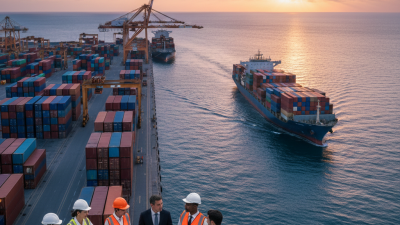
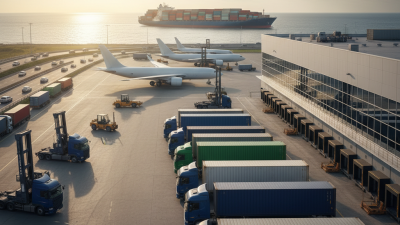
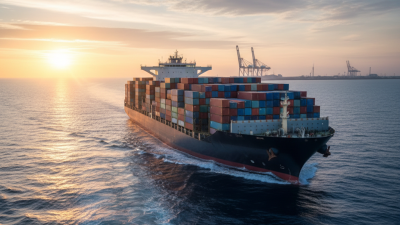
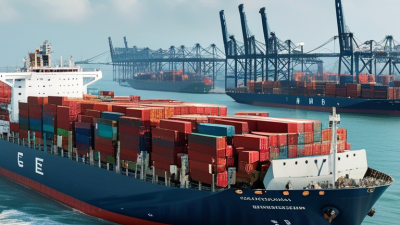
China’s ocean freight sector connects major manufacturing centers with ports across Asia, Europe, North America, and emerging markets. Companies such as COSCO Shipping, China Merchants Energy Shipping, Sinotrans, and China Shipping-related logistics networks have shaped this industry. Their services may include container transport, port coordination, customs documentation, cargo tracking, and inland delivery. The strongest provider depends on shipment size, destination, equipment needs, and service expectations.
This guide examines leading ocean freight companies in China through practical business criteria. These criteria include fleet capacity, port coverage, schedule reliability, digital tracking, customer support, and experience with complex cargo. A large carrier may offer competitive rates and frequent sailings. However, a smaller forwarder may provide closer communication and more flexible routing. Real shipping decisions often involve both cost and risk.
Ranking these companies is not perfectly simple. Prices change with fuel costs, port congestion, seasonal demand, and exchange rates. A carrier with excellent performance this month may face delays next month. That limitation deserves attention. Reliable evaluation should use current schedules, verified company information, transparent quotations, and clear service terms. Shippers should also confirm cargo requirements before booking. A missed document can delay a container at the terminal. A weak tracking process can create uncertainty across the supply chain. This overview offers a practical starting point for comparing China’s leading ocean freight providers, while encouraging readers to check updated details before making a final choice.
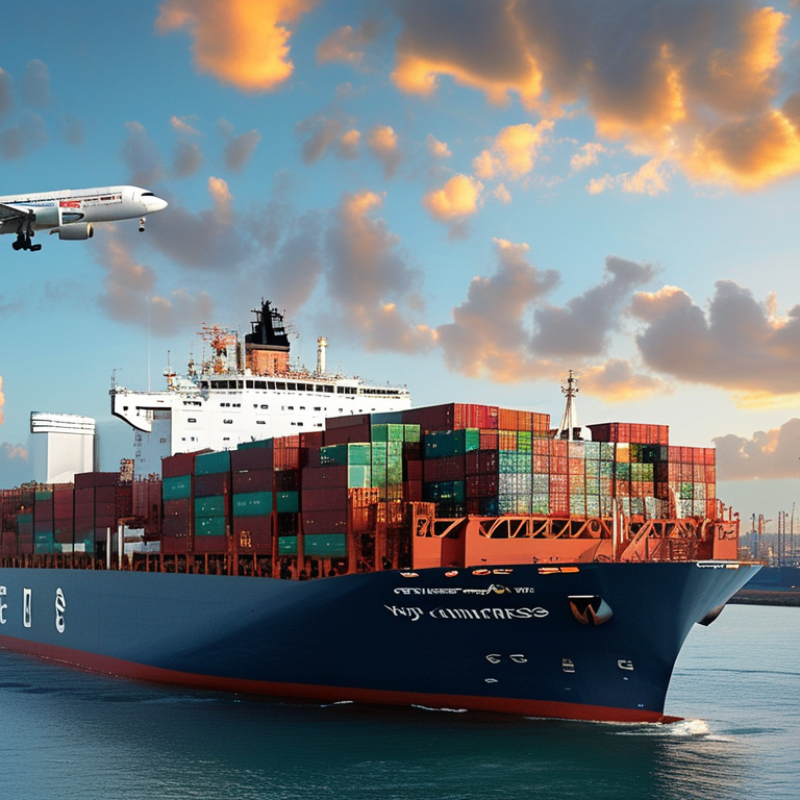
China’s ocean freight industry connects manufacturing centers with major global markets. In 2023, Chinese ports handled 295.9 million TEUs, according to China’s Ministry of Transport. That volume increased by 6.4% year on year. UNCTAD’s Review of Maritime Transport 2024 recorded global seaborne trade growth of 2.4% in 2023. These figures show strong demand, but they also reveal intense pressure on terminals, vessels, and inland transport.
The leading ocean freight companies in China should not be judged by fleet size alone. Reliable schedules, port coverage, cargo tracking, equipment availability, and emergency support matter more in daily operations. Alphaliner’s fleet data helps compare carrier capacity and vessel deployment. However, capacity does not guarantee consistent service. A large operator may still face blank sailings, congestion, or limited containers at smaller ports. That is an uncomfortable reality.
Shippers should compare eight to twelve weeks of sailing records. Sea-Intelligence schedule reliability reports often place global performance near the halfway mark. In simple terms, many containers do not arrive within the original delivery window. A practical review should check transshipment frequency, free-time conditions, documentation procedures, and local terminal handling. I would also question unusually low quotations. They may exclude port charges, peak-season adjustments, or inland delivery costs.
The cheapest ocean freight option is not always the most dependable one.
Top ocean freight companies in China are not defined by size alone. Reliable providers combine stable sailing schedules, clear pricing, and responsive communication. Experienced shippers often compare performance across major gateways, including Shanghai, Ningbo, Shenzhen, Qingdao, and Xiamen. Port coverage matters when cargo moves inland by rail or truck. Small delays can affect warehouse labor, production plans, and customer promises.
Strong companies provide booking support, container planning, cargo tracking, and accurate document checks. They explain cut-off times, transshipment risks, demurrage terms, and estimated arrival windows before loading. Good operations teams also verify weights, dimensions, packaging, and customs information. That practical review can prevent a sealed container from becoming an expensive problem. Ask for evidence. Useful evidence includes recent on-time data, claims procedures, and references from similar cargo routes. However, published figures may not show every disruption or seasonal constraint.
Price remains important, but the lowest quote can hide terminal fees, documentation charges, or weak after-sales support. An honest comparison lists every known cost and identifies charges that may change. Communication quality deserves a real test. Send a detailed inquiry and note how clearly the team answers. Some providers respond quickly yet miss important questions. Check the details. In my experience, the best fit depends on cargo type, volume, destination, and tolerance for schedule changes. Shippers should review performance after each shipment, because even a capable provider can disappoint. Schedules slip. That is where the assessment needs refinement.
| Evaluation Dimension | China Market Benchmark or Verified Indicator | Why It Matters When Comparing Ocean Freight Providers |
|---|---|---|
| Container-port connectivity | China has several of the world's busiest container gateways. In 2023, Shanghai handled approximately 49.16 million TEU, Ningbo-Zhoushan approximately 35.30 million TEU, and Shenzhen approximately 30.04 million TEU. | Higher-volume gateways generally offer more sailing choices, broader feeder connections, and better access to major import and export markets. |
| International route coverage | China's main container gateways provide scheduled services to Asia, Europe, North America, the Middle East, Africa, Latin America, and Oceania. | Wide route coverage can reduce transshipment requirements and make it easier to manage multi-country supply chains. |
| Export cargo capacity | China remains the world's largest containerized export manufacturing base, generating substantial demand for full-container-load and less-than-container-load services. | Providers with access to multiple origin ports can offer more alternatives during peak seasons, equipment shortages, or port disruptions. |
| Port and inland logistics integration | Major coastal gateways are connected with inland rail, road, barge, bonded-zone, and warehouse networks serving manufacturing clusters across eastern, southern, and central China. | Integrated inland transportation can improve factory pickup scheduling, reduce empty repositioning, and support door-to-door delivery. |
| Equipment availability | Equipment requirements vary by trade lane and season. Standard dry containers are the most widely available, while refrigerated, tank, open-top, and special containers require earlier planning. | Equipment availability directly affects booking confirmation, cargo loading dates, and the risk of rollovers. |
| Transit-time consistency | Ocean transit times depend on the origin port, destination, direct or transshipment routing, weather, congestion, and customs procedures. | A reliable provider should publish realistic transit-time ranges and communicate schedule changes promptly rather than relying only on advertised sailing times. |
| Digital shipment visibility | Modern freight services commonly provide electronic quotations, booking status, shipping instructions, container tracking, document uploads, and arrival notifications. | Digital visibility helps shippers monitor milestones, identify delays earlier, and coordinate inventory and customs activities. |
| Documentation and compliance support | Typical export documentation includes commercial invoices, packing lists, export declarations, shipping instructions, and bills of lading. Requirements vary by commodity and destination. | Accurate documentation reduces the likelihood of customs holds, cargo misdeclaration, penalties, and destination clearance delays. |
| Hazardous and temperature-controlled cargo | Special cargo may require dangerous-goods declarations, verified gross mass, temperature settings, special handling instructions, or additional carrier approval. | Specialized operational capability is essential for chemicals, batteries, pharmaceuticals, food products, and other sensitive cargo. |
| Reliability during disruption | Common disruption risks include typhoons, fog, port congestion, labor interruptions, equipment imbalances, blank sailings, and schedule changes. | Strong contingency planning, alternative gateways, and proactive customer communication help limit operational and financial impact. |
| Cost transparency | A complete ocean-freight quotation may include the base ocean rate, origin charges, documentation fees, terminal charges, customs-related services, fuel-related surcharges, and destination charges. | Comparing the total landed logistics cost prevents apparently low rates from becoming more expensive after accessorial charges are added. |
| Sustainability information | Common environmental data points include estimated carbon emissions, low-carbon fuel options, slow-steaming practices, route efficiency, and shipment-level emissions reporting. | Transparent emissions information supports corporate sustainability reporting and greener procurement decisions. |
Data note: TEU figures are rounded 2023 container-throughput figures reported by the respective port authorities and industry statistical releases. Port throughput is a market-connectivity indicator, not a ranking of individual freight companies. Rates, transit times, capacity, and surcharges change by route, sailing date, cargo type, and contract terms.
Chinese ocean freight companies provide more than basic vessel bookings. Their key services often include full-container loads, less-than-container loads, cargo consolidation, port handling, and inland delivery. A capable provider can check packing details, confirm container availability, and coordinate cut-off times with the terminal. These steps reduce delays when cargo reaches the port.
Documentation support is equally important. Freight specialists usually prepare commercial invoices, packing lists, bills of lading, and customs information. They may also arrange warehousing, cargo inspection, shipment tracking, and transport insurance. In practice, clear communication matters as much as price. A low quotation can look attractive, but unclear surcharges may change the final cost. I have learned that service comparisons are rarely perfect without checking every fee and deadline.
Tips: Ask for a complete quotation. Confirm destination charges in writing. Check sailing frequency and transit estimates. Request a named contact for urgent updates. Share accurate cargo dimensions before booking. Small measurement errors can create large billing differences. It is also wise to review the company’s operating history, port coverage, documentation process, and complaint handling. Reliable providers explain risks honestly, even when the answer is inconvenient.
Ocean freight providers in China commonly combine sea transportation with cargo consolidation, customs support, warehousing, inland delivery, and shipment visibility. The chart shows the typical service coverage level across the sector, using a normalized 2024 industry benchmark rather than company-specific data.
Benchmark index: 100 represents broad availability among established China-based ocean freight providers.
China’s top ocean freight providers are not always the largest companies. The better choice depends on route coverage, sailing frequency, and cargo requirements. Experienced shippers compare several written quotations before booking. A low ocean rate may exclude terminal handling, documentation, or destination charges. Ask for a complete door-to-door cost breakdown. Check whether the provider gives one clear contact for schedule changes and cargo issues. Reliable communication matters when a vessel slips by three days.
Tips: Compare like with like. Request the same shipment details, including port pair, container size, cargo weight, and delivery terms. Review recent transit records, not only advertised schedules. Ask how delays, damaged cartons, and rolled bookings are handled. Confirm cargo tracking access and response times. A provider that answers quickly during quotation may communicate differently after payment.
Look for practical expertise in your trade lane. A capable provider should explain port cutoffs, container availability, seasonal congestion, and document deadlines in plain language. Verify licenses, insurance arrangements, service history, and customer references through independent sources. Do not rely on polished websites alone. In my experience, small communication gaps create expensive misunderstandings. I once underestimated destination fees because the quotation used unclear wording. That mistake was avoidable. Leave room in both budget and schedule, especially during peak shipping periods.
Choosing an ocean freight company in China requires more than comparing rates. A dependable provider should show current operating credentials, cargo insurance options, port coverage, and clear liability terms. Ask whether its schedule matches your supplier’s loading date and destination delivery window. A cheap quote means little if containers wait ten days at the origin port. It happens.
Review the proposed route in writing. Check vessel frequency, transshipment points, cutoff times, documentation support, and delay procedures. Experienced teams explain container types, booking changes, demurrage risks, and customs requirements clearly. Request a sample timeline from factory pickup to final delivery. Compare the details.
Reliability also appears in small actions. Does the company confirm weights promptly? Does it send a draft bill of lading before release? Can one trained contact answer operational questions? References from similar cargo and trade lanes are useful, but verify them independently. I once treated a polished quotation as proof of competence. That was careless. The provider later changed several local charges. A better choice may cost slightly more, yet it should provide written assumptions, realistic transit estimates, and reachable support when the schedule slips.