For global buyers, sea freight is more than booking space on a vessel. It is a planning decision that affects cost, loading time, cargo safety, and delivery reliability. A palletized order may suit less-than-container load shipping, while a full container can protect larger volumes from repeated handling. Heavy machinery may require breakbulk or project cargo services. Temperature-sensitive goods need refrigerated containers with careful monitoring.
Small choices matter.
This guide examines the top 10 types of sea freight used in international purchasing. It compares full container load, less-than-container load, roll-on/roll-off, breakbulk, bulk, refrigerated, liquid, project, vehicle, and oversized cargo solutions. Each option has different equipment, port procedures, documentation needs, and risk considerations. A procurement manager in Shenzhen may focus on container availability, while an importer in Rotterdam may prioritize terminal handling and inland delivery. The best choice depends on cargo dimensions, volume, urgency, route, packaging, and destination facilities.
Practical experience shows that the cheapest ocean rate is not always the lowest total cost. Demurrage, storage, transshipment delays, inspection requirements, and damaged packaging can quickly change the calculation. Buyers should verify carrier credentials, confirm Incoterms with suppliers, arrange suitable insurance, and check all required commercial documents before cargo moves. Reliable decisions also require current rate checks and realistic transit-time estimates. Some assumptions may fail during peak seasons, bad weather, or port congestion. That is worth remembering. The following overview offers a clear, evidence-informed starting point for selecting safer and more efficient sea freight options.
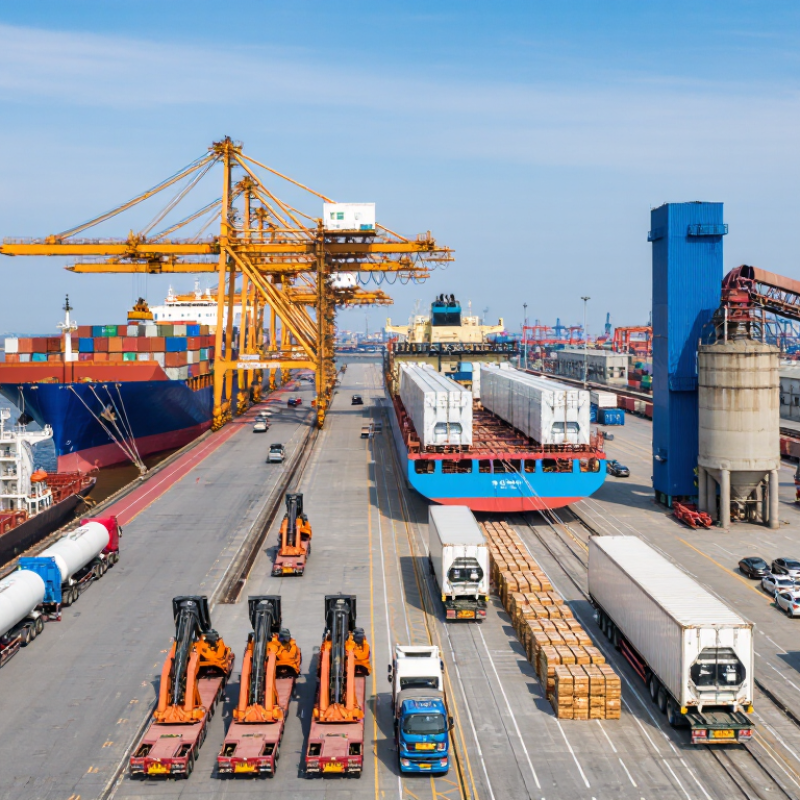
Global buyers classify sea freight by cargo, handling method, and service design. According to UNCTAD’s Review of Maritime Transport 2024, maritime trade reached about 12.3 billion tonnes in 2023. More than 80% of global trade by volume still moves by sea.
The ten practical types include full-container load, less-than-container load, dry bulk, liquid bulk, breakbulk, roll-on/roll-off, refrigerated cargo, heavy-lift cargo, project cargo, and feeder or short-sea shipping. FCL suits a buyer filling one container. LCL combines smaller shipments, often with extra handling at consolidation warehouses. Dry bulk uses vessels for grain or minerals. Liquid bulk requires dedicated tanks and strict cargo controls. Breakbulk moves items such as timber or machinery individually. Ro-Ro cargo enters on wheels, while reefer cargo needs continuous temperature records.
Project and heavy-lift shipments demand precise dimensions, lifting plans, and route surveys. Feeder services connect smaller ports with major maritime hubs. Transshipment may also appear in the booking, but it describes a route step, not always a separate cargo type. The World Bank’s Logistics Performance Index 2023 highlights timeliness and shipment visibility as major logistics concerns. A low ocean rate can lose its value after storage, port delays, or damaged packaging. The labels help, but they are not perfectly clean. Buyers should confirm container size, cargo weight, handling limits, cut-off times, and responsibility for inland delivery in writing.
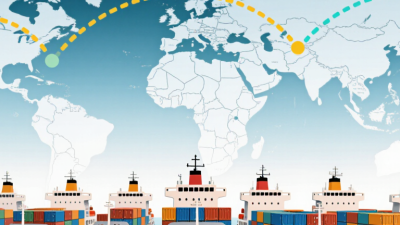
Global buyers choose sea freight according to cargo size, handling needs, and delivery urgency.
Full Container Load (FCL) suits one buyer using an entire container, such as furniture, machinery, or packaged goods.
Less than Container Load (LCL) combines smaller shipments and helps control costs when a full container is unnecessary. However, consolidation may add handling time.
Reefer containers transport temperature-sensitive goods, including fresh produce, dairy products, and approved medicines.
Dry bulk carriers move unpackaged materials such as grain, coal, and mineral products.
Liquid bulk tankers carry safe, regulated liquids, including edible oils and industrial chemicals.
Roll-on/Roll-off (Ro-Ro) vessels handle wheeled cargo, such as cars, buses, and construction equipment. Loading is quick.
Breakbulk shipping serves oversized or irregular cargo packed separately, including steel coils, timber, and industrial parts.
Heavy-lift and project cargo services move turbines, transformers, and large production equipment using specialized cranes.
Flat-rack container shipping supports tall, wide, or heavy machinery that cannot fit inside standard containers.
Vehicle carriers are designed for large volumes of finished vehicles and reduce loading damage through organized deck storage.
In practice, the cheapest rate may not be the lowest total cost.
A buyer should check port handling, container availability, cargo securing, insurance, and seasonal delays.
I have seen careful packing save more money than a small freight discount. That assumption can fail.
Cargo dimensions, moisture exposure, and unloading equipment deserve equal attention.
Reliable freight planning also requires accurate invoices, packing lists, and shipment measurements.
What Are the Top 10 Types of Sea Freight for Global Buyers?
Containerized shipping suits most commercial cargo. Dry containers handle cartons, machinery, furniture, and packaged goods. High-cube containers add useful vertical space for lightweight cargo. Refrigerated containers protect temperature-sensitive food, plants, and approved pharmaceutical products.
Specialized options solve more difficult transport problems. Tank containers carry suitable liquids under controlled safety procedures. Open-top containers accept tall machinery and oversized crates. Flat-rack containers support wide or heavy equipment. Bulk vessels move unpackaged commodities in large quantities. Roll-on/roll-off shipping carries vehicles and wheeled machinery. Project and heavy-lift services manage exceptional cargo with detailed engineering. Less-than-container-load shipping combines smaller shipments from different buyers. These ten types differ in handling, documentation, equipment, and cost. A common planning mistake is choosing by ocean rate alone. Port access, cargo dimensions, loading methods, and delivery timing can change the final result. Sometimes, the “cheapest” container becomes expensive after extra handling.
Tips: Measure every crate, including packaging. Confirm gross weight and center of gravity. Ask whether cargo needs ventilation, temperature records, or moisture protection. Compare full-container and consolidated shipping with realistic delivery dates. Use clear commercial documents and verify local import requirements before booking. Leave contingency time. Weather and port congestion remain difficult to predict. Even experienced teams can miss small details. Recheck the loading plan before sealing the container.
| Rank | Sea Freight Type | Typical Cargo | Equipment or Vessel Format | Typical Capacity or Specification | Main Advantages | Key Limitations | Best Suited For |
|---|---|---|---|---|---|---|---|
| 1 | Standard Dry Container | Packaged goods, furniture, machinery, textiles, consumer products and general merchandise | Fully enclosed 20-foot or 40-foot intermodal container | Approximately 33 m³ for a standard 20-foot unit and 67 m³ for a standard 40-foot unit; payload depends on container rating and road regulations | Widely available, secure, stackable and suitable for multimodal transport | Not temperature controlled; loading height and door dimensions restrict oversized cargo | Most general import and export shipments |
| 2 | High-Cube Container | Lightweight, bulky cargo such as furniture, packaging materials, machinery parts and retail goods | 40-foot or 45-foot enclosed container with extra internal height | Usually about 30 cm taller than a standard container; a 40-foot high-cube unit provides roughly 76 m³ of internal volume | More cubic capacity without increasing the shipment footprint substantially | Height restrictions may affect inland delivery; not ideal for very dense cargo | High-volume goods with a low weight-to-volume ratio |
| 3 | Refrigerated Container (Reefer) | Frozen and chilled food, pharmaceuticals, flowers, dairy products, meat, seafood and temperature-sensitive chemicals | Insulated container with an integrated refrigeration unit | Commonly available in 20-foot and 40-foot sizes; operating ranges often extend from approximately -30°C to +30°C, subject to cargo requirements | Maintains controlled temperature and supports long-distance cold-chain transport | Higher freight and energy costs; requires reliable power, monitoring and correct airflow | Perishable or temperature-sensitive products |
| 4 | Open-Top Container | Scrap metal, timber, stone, machinery and cargo that must be loaded from above | Container with a removable roof or tarpaulin instead of a fixed steel top | Usually offered in 20-foot and 40-foot formats; payload is governed by the container rating and cargo distribution | Allows crane, grab or top-loading operations and accommodates tall cargo | Less protection from weather and possible extra handling or inspection requirements | Heavy, tall or awkward cargo that cannot be loaded through standard doors |
| 5 | Flat-Rack Container | Construction equipment, industrial machinery, pipes, vehicles and oversized components | Heavy-duty container platform with folding or fixed end walls and no side walls | Commonly 20-foot or 40-foot; cargo may exceed standard container dimensions if approved as out-of-gauge freight | Facilitates side loading, top loading and transport of wide or tall cargo | Usually costs more; cargo must be carefully secured and may require special stowage approval | Out-of-gauge and project cargo with suitable lifting points |
| 6 | ISO Tank Container | Liquid chemicals, food-grade liquids, oils, fuels and some regulated hazardous substances | Cylindrical tank mounted in a standardized intermodal frame | Most commonly based on a 20-foot frame; typical capacity is approximately 21,000–26,000 liters, depending on tank design and cargo density | Efficient door-to-door movement with fewer liquid transfers and standardized handling | Requires compatible tank specifications, cleaning procedures, safety documents and regulatory compliance | Bulk liquid shipments requiring controlled and secure transport |
| 7 | Flexitank Shipment | Non-hazardous liquids such as edible oils, juices, syrups, wine and liquid food ingredients | Flexible multilayer bladder installed inside a standard dry container | Common capacities range from approximately 16,000 to 24,000 liters, depending on the product and container configuration | Uses widely available dry containers and can reduce handling compared with drums or smaller packages | Generally unsuitable for hazardous liquids; compatibility, temperature and pressure controls are essential | Cost-sensitive, non-hazardous bulk liquid cargo |
| 8 | Platform Container | Very wide, tall or heavy industrial cargo, including transformers, structural sections and project equipment | Reinforced flat platform without end walls or side walls | Usually 20-foot or 40-foot; exact allowable weight and dimensions depend on the platform and vessel stowage plan | Maximum flexibility for cargo that cannot fit within a conventional container structure | Limited weather protection; requires engineered securing, route planning and carrier approval | Exceptional project cargo and heavy-lift shipments |
| 9 | Roll-on/Roll-off (Ro-Ro) | Cars, trucks, buses, trailers, agricultural equipment and self-propelled or towable machinery | Specialized vessel with ramps and internal vehicle decks | Capacity is commonly measured by vehicle units or lane meters rather than TEU; cargo must meet deck height, width and weight limits | Fast vehicle loading with minimal crane handling and efficient movement of rolling cargo | Not suitable for loose general cargo; non-running units may require special loading arrangements | Finished vehicles and mobile equipment |
| 10 | Breakbulk and Project Cargo | Large machinery, steel coils, timber, wind-energy components, industrial modules and packaged cargo unsuitable for containers | Conventional cargo vessel, multipurpose vessel or heavy-lift vessel using ship or shore cranes | No fixed container volume; cargo is planned by individual piece dimensions, weight, lifting points and stowage requirements | Handles cargo that is too large, heavy or irregular for standard containers | More complex planning, greater exposure during handling and potentially longer port operations | Oversized, heavy-lift and infrastructure-related shipments |
Choosing sea freight starts with the cargo, not the quoted price. Common options include FCL, LCL, reefer, open-top, flat-rack, RoRo, breakbulk, tanker, project cargo, and expedited ocean shipping. Each serves a different cargo profile. A full container suits steady volumes and sensitive loading schedules. LCL works better for smaller shipments, but shared space may increase handling risks.
Measure the cargo carefully. Record weight, length, height, packaging type, and moisture sensitivity. Oversized machinery may need a flat-rack or open-top container. Vehicles usually require RoRo handling. Frozen food needs stable temperature control throughout the journey. Liquid cargo requires approved tank equipment and strict documentation. A wooden crate sitting beside a loading dock can reveal more than a spreadsheet.
Check the complete route before deciding. Port congestion, transshipment, inland delivery, and seasonal weather can change the real transit time. Ask for details about free time, loading limits, insurance, and cargo securing. The cheapest quote can be expensive later. In my experience, buyers often underestimate destination charges. I have made that mistake too, especially when comparing rates from different ports. Recheck every assumption. A practical choice balances cargo safety, volume, schedule, handling complexity, and total landed cost.
What Are the Top 10 Types of Sea Freight for Global Buyers?
Costs, Transit Times, Documents, and Risks by Freight Type
Global buyers usually choose among ten sea freight types: FCL, LCL, reefer, dry bulk, liquid bulk, Ro-Ro, breakbulk, project cargo, flat rack, and open top. FCL often offers better unit costs for full containers, with transit commonly lasting 20 to 45 days. LCL suits smaller shipments but adds handling fees and possible warehouse delays. Both require a bill of lading, commercial invoice, packing list, and accurate consignee details.
Reefer cargo costs more because temperature control runs throughout the voyage. Temperature records and product-specific instructions are essential. Dry bulk and liquid bulk need specialized vessels, loading plans, and safety documents. Their rates can change sharply with fuel prices and port availability. Ro-Ro can reduce packing labor, while breakbulk may increase crane and storage charges. Project cargo needs engineered lifting plans, cargo measurements, and route surveys.
Flat rack and open top containers handle oversized machinery, but their freight costs are rarely simple. Extra lashing, permits, inspections, and port equipment may apply. Transit times can also stretch when suitable vessels are infrequent. Common risks include moisture, shifting cargo, inaccurate weights, and missed connection windows. Insurance should match the cargo value and handling exposure. A low quote is not always a low-cost shipment. Estimates are not promises. I have seen small document errors create larger delays than rough seas. Rechecking dimensions, cargo readiness, and local import requirements remains worthwhile.
Indicative transit times and relative cost index by freight type. Cost index: standard dry FCL = 100; higher values reflect additional handling, equipment, documentation, or compliance requirements.
How to read this chart: Transit times are typical port-to-port ranges represented by midpoint values and can change with route, season, congestion, customs clearance, and port omissions. The cost index is an indicative comparison rather than a quotation.
Typical documents: bill of lading, commercial invoice, packing list, certificate of origin, shipping instructions, and customs declarations. Reefer, dangerous goods, liquid bulk, project cargo, and RoRo shipments may also require temperature records, safety data sheets, dangerous-goods declarations, cargo securing plans, permits, or specialized cargo manifests.
Main risks: LCL shipments have higher consolidation and handling exposure; reefer cargo faces temperature-control risks; RoRo and breakbulk cargo may be affected by handling damage; bulk and liquid cargo require strict loading and safety controls; project and dangerous-goods shipments usually involve the highest documentation, compliance, and schedule risks.