7 Best Sea Freight Shipping Companies for Global Buyers
Choosing among the 7 Best Sea Freight Shipping Companies for Global Buyers requires more than comparing advertised prices. A reliable carrier must deliver predictable schedules, clear documentation, responsive support, and practical cargo visibility. A missed vessel can leave cartons waiting beside a warehouse door for days. Port congestion, blank sailings, fuel surcharges, and customs delays can also change the final cost.
Lars Jensen, founder of Vespucci Maritime, has described container shipping as “not a normal market.” That observation matters. Freight rates can move sharply, even when a buyer plans months ahead. Therefore, this guide examines leading providers through a buyer-focused lens. It considers network coverage, sailing frequency, transit consistency, container availability, digital tracking, and service quality. It also looks beyond the headline quote. A low ocean rate may hide terminal fees, documentation charges, storage costs, or weak destination support.
The comparison is not a promise of universal perfection. No shipping company performs equally well on every route. A carrier that serves Shanghai to Rotterdam efficiently may offer fewer advantages from Santos to Oakland. That is worth remembering.
The companies discussed here represent different strengths. Some provide extensive global networks. Others compete through specialized services, technology, or strong regional operations. Buyers should still request current quotations and verify routing details before booking. Product type, container size, shipment volume, and delivery terms can change the best choice.
This guide aims to make that decision clearer, more practical, and less dependent on guesswork. Small details matter. Reliability matters more.
What Sea Freight Shipping Companies Do for Global Buyers
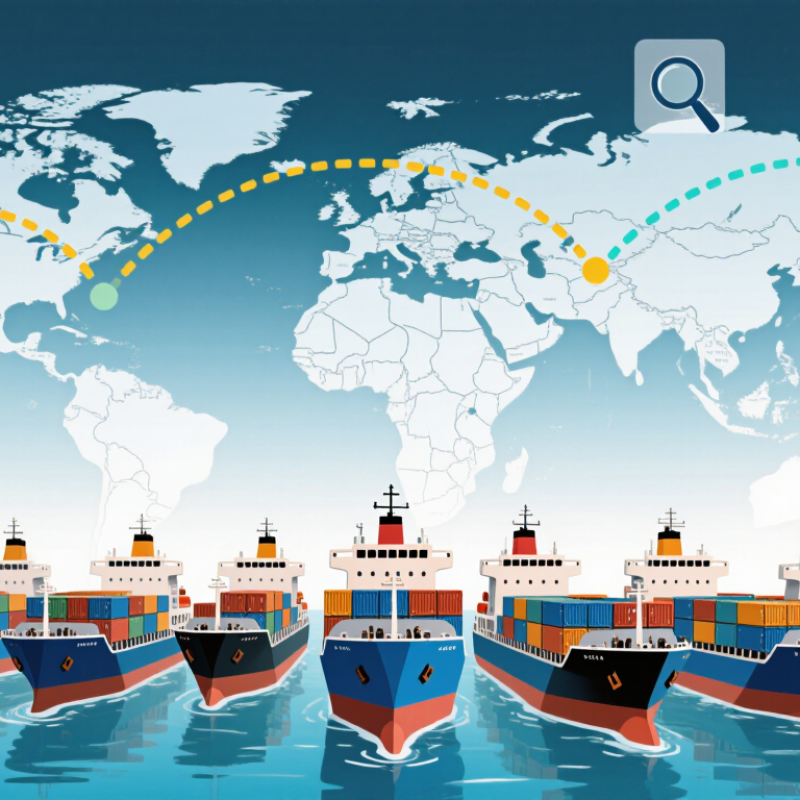
Sea freight shipping companies do more than move a container across an ocean. They coordinate bookings, export documents, port appointments, customs data, and inland delivery. A reliable provider checks carton counts against the commercial invoice before cargo reaches the terminal. It also confirms the container type, sailing schedule, cut-off time, and estimated arrival date. These details prevent a small paperwork error from becoming a costly storage charge.
For global buyers, visibility is a practical service, not a marketing promise. Good operators provide tracking updates at key events: booking confirmation, gate-in, vessel departure, transshipment, and discharge. They explain delays in plain language and show which party controls the next step. Some arrange cargo insurance, inspection support, consolidation, or door delivery. The right service depends on volume, destination, product sensitivity, and budget. A full-container shipment may need different planning from twenty cartons sharing space with other cargo.
Experienced teams also review risks before loading. They check packaging strength, moisture protection, labeling rules, and the destination’s import requirements. A useful quote should separate ocean freight, terminal handling, documentation, duties, taxes, and last-mile charges. Otherwise, the lowest price can become misleading. I have seen buyers focus on transit time and overlook port congestion or holiday closures. That mistake is easy to make. It deserves a second look. Even strong providers cannot control weather, inspections, or sudden schedule changes, so honest estimates should include reasonable limits and clear escalation contacts.
How to Evaluate Sea Freight Providers for International Trade
When evaluating sea freight providers for international trade, look beyond headline rates. An experienced provider should explain transit times, port cutoffs, container options, and possible transshipment points. Ask how delays are handled when a vessel misses its schedule. I prefer clear answers supported by shipment records, not confident promises. The cheapest quote can become expensive.
Compare at least seven providers using the same shipment details. Check routes, sailing frequency, booking deadlines, documentation support, cargo insurance, and tracking accuracy. A reliable company should provide a named contact and a written escalation process. Request recent performance data, including on-time delivery rates and claim handling times. Read customer references carefully. Small delays matter.
Measure communication before signing. Send practical questions about a sample shipment, such as two pallets from a factory to a regional distribution center. Note response speed, accuracy, and whether fees are explained line by line. My scoring sheet is useful, but it is not perfect. I sometimes overvalue polished presentations. A better review checks documented procedures, staff experience, financial stability, and compliance with current customs and safety requirements. Good records build trust.
Seven Leading Sea Freight Shipping Companies and Their Strengths
The seven leading sea freight shipping companies stand out for different operational strengths. One offers the widest port network, helping buyers reach smaller markets through reliable transshipment routes. Another is known for schedule consistency, which matters when factory loading dates are tight. A third provides strong container availability during peak seasons, reducing costly rollover risks. These advantages are useful, but no carrier performs equally well on every trade lane.
A fourth company focuses on refrigerated cargo, with temperature monitoring for food, medicine, and other sensitive goods. A fifth invests in clear digital tracking, showing container milestones from gate-in to final discharge. Another has experienced customs and documentation teams, helping reduce errors in commercial invoices, packing lists, and bills of lading. The seventh supports oversized or project cargo with careful port planning, equipment checks, and direct communication.
Details matter.
A buyer should compare transit time, free days, local charges, sailing frequency, and claims procedures. Ask whether the quoted rate includes transshipment fees. Check the carrier’s licensed status and published service terms. A low ocean rate can become expensive after storage, detention, or unexpected handling charges. Schedules can also change because of weather, congestion, or equipment shortages. That is the uncomfortable part. Careful planning improves reliability, but it never removes every shipping risk.
How Shipping Rates, Routes, and Services Differ Between Providers
Global buyers should compare seven shipping providers by route design, not headline price. UNCTAD’s Review of Maritime Transport 2024 reports that seaborne trade grew 2.4% in 2023. Capacity remains uneven across major corridors. Rates move quickly.
A direct sailing may reduce handling, but a transshipment route can offer more departure dates. Compare transit time, port pairs, sailing frequency, and schedule reliability. A quote should show ocean freight, fuel adjustments, terminal fees, documentation, and delivery charges. Otherwise, the cheapest offer may become expensive at destination. Rates move quickly. Service quality matters.
The World Bank’s Logistics Performance Index 2023 shows wide differences in tracking, logistics competence, and delivery reliability between markets. Look for container visibility, exception alerts, cargo insurance options, and responsive local agents. Full-container shipping usually suits stable volumes, while shared-container service can reduce costs for smaller consignments. Door-to-door support may simplify coordination, but customs responsibilities must be written clearly. I would question any promise of fixed transit times. Weather, port congestion, and equipment shortages can disrupt even well-planned routes. One practical mistake is comparing only freight rates, while ignoring demurrage terms and free storage days. A better review checks three recent quotations, actual sailing records, and the provider’s escalation process.
How Global Buyers Can Select the Right Sea Freight Company
Choosing among the seven best sea freight shipping companies requires more than comparing quoted rates. Sea transport carries over 80% of global trade by volume, according to the UNCTAD Review of Maritime Transport. Buyers should check seven practical factors: port coverage, sailing frequency, transit reliability, customs support, cargo tracking, equipment availability, and claims handling. A low price means little if containers wait beside a busy quay.
Ask each provider for recent performance evidence. Compare schedule reliability by trade lane, not by global averages. Review their process for rollovers, port congestion, damaged cargo, and missing documents. The World Bank’s Logistics Performance Index 2023 highlights customs, infrastructure, tracking, and timeliness as core logistics measures. These indicators offer a stronger comparison than polished sales language. Request sample milestones, such as booking confirmation, gate-in, vessel departure, transshipment, and final delivery.
Experience also matters. A capable freight partner should explain Incoterms, container types, cut-off times, surcharge rules, and destination fees in plain English. Verify whether support staff understand your product, shipping season, and destination regulations. Check insurance options and written escalation procedures. Do not rely only on testimonials.
Ask for references. Then test communication with one controlled shipment. That may feel slow, but it exposes hidden weaknesses. I would also keep a scorecard for cost, accuracy, responsiveness, and delay recovery. No provider performs perfectly on every lane. Your own evaluation may be imperfect too, so revisit it after three shipments.