How to Choose the Best Shipping Line for Your Business Needs?
Choosing the right shipping line is crucial for business success. With global trade increasing by 5% annually, smart logistics management has become a priority for companies. According to the International Maritime Organization, over 90% of global goods are transported by sea. This statistic highlights the importance of selecting a reliable shipping line.
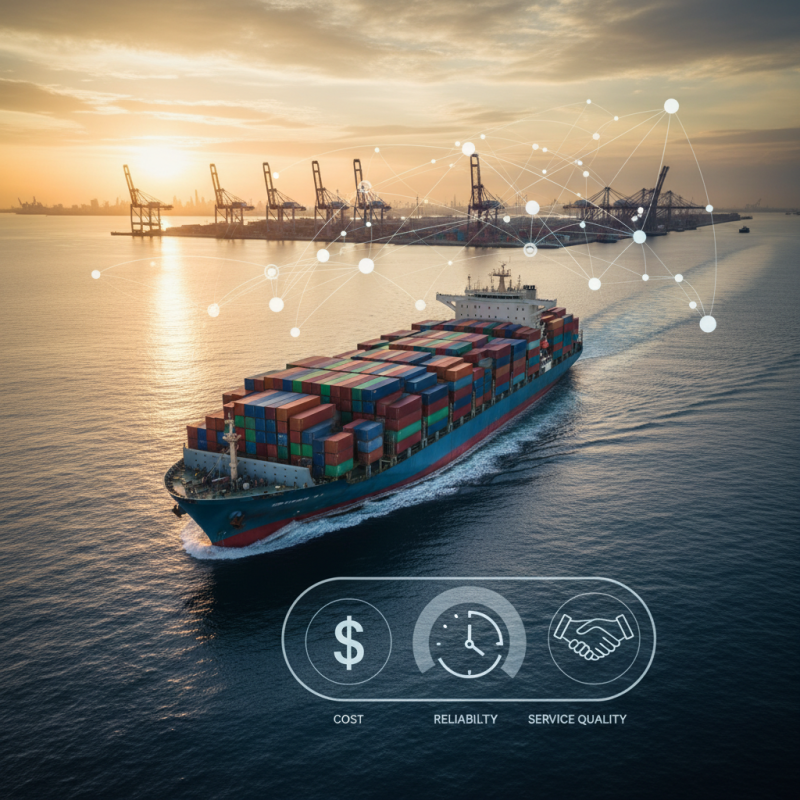
Industry expert Dr. Emily Ross, a leading authority in maritime logistics, states, “The choice of a shipping line can make or break your supply chain efficiency.” Her insight emphasizes that businesses must consider various factors when selecting a shipping line, such as cost, reliability, and service quality.
However, not all shipping lines are created equal. Companies often face challenges in assessing the best option for their specific needs. Market fluctuations and changing regulations can complicate decisions. It's essential to weigh both cost-effectiveness and service level to find the ideal shipping line. Choosing wisely could result in significant improvements in operational efficiency.
Understanding Your Shipping Requirements for Business
When considering the best shipping line for your business, start by identifying your specific shipping needs. The choice of a shipping line greatly depends on factors such as the type of goods, volume, and frequency of shipments. According to a recent industry report by the International Maritime Organization, nearly 80% of global trade by volume is transported by sea. This statistic underscores the importance of understanding the nuances of maritime logistics.
Evaluate the shipping routes relevant to your operations. Some lines specialize in certain corridors, which could impact transit times and costs. For example, layers of documentation and customs procedures can add time, complicating your supply chain. A survey from the World Bank highlights that a one-day delay in ocean shipping can lead to a 1% increase in shipping costs. It’s essential to account for these potential setbacks when choosing a shipping line.
Pay close attention to reliability and service levels. A shipping line might offer attractive rates but could lack on-time delivery performance. Inconsistent transit times can erode customer satisfaction and harm your brand. Research indicates that 62% of businesses cite shipping delays as a top concern in logistics. Reflect on your own experiences: how do shipping issues affect your operations? Consider all these elements thoroughly before finalizing your decision.
Shipping Line Comparison Based on Key Factors
Evaluating Shipping Line Services and Offerings
When evaluating shipping line services, consider the reliability of delivery. A trustworthy shipping line should have a solid track record of timely arrivals. Timeliness can greatly affect your business operations, so check customer reviews and case studies. Reach out to current users for real feedback. This will provide insights into potential delays and issues.
Next, assess the range of services offered. Some shipping lines specialize in specific types of cargo. Others may provide specialized handling for fragile items. Determine what your business needs. Are you shipping perishable goods or oversized items? Ensure the line you choose can accommodate these requirements.
Additionally, examine any value-added services like tracking systems and insurance options.
Finally, don't overlook the importance of cost. Compare pricing structures among various shipping lines. Look for hidden fees that could affect your budget. However, the cheapest option isn’t always the best. Evaluate the overall value you receive for the price. It’s essential to weigh costs against service quality and reliability. This thoughtful approach can help you make a more informed decision.
Comparing Shipping Costs and Pricing Structures
When evaluating shipping costs, it’s crucial to analyze pricing structures. Industry reports suggest that costs can fluctuate based on various factors. These factors include distance, shipment size, and service type. For instance, a recent study revealed that shipping costs may vary by as much as 30% depending on the chosen carrier and route.
Many businesses overlook hidden fees in shipping contracts. Common fees include fuel surcharges and terminal handling charges. According to the Freight Transport Association, this can lead to unexpected expenses. A shipment initially quoted at $500 might end up costing $650 or more. Understanding these potential costs is vital for accurate budgeting.
Choosing the right shipping line also involves assessing their pricing transparency. Some carriers offer all-inclusive rates, while others present a base rate with additional fees. Research conducted by Logistics Management found that 58% of shippers favor carriers that provide clear cost breakdowns. This transparency builds trust and helps businesses plan their logistics effectively. Without this understanding, shippers may face significant budget overruns.
Assessing Reliability and Delivery Timeframes
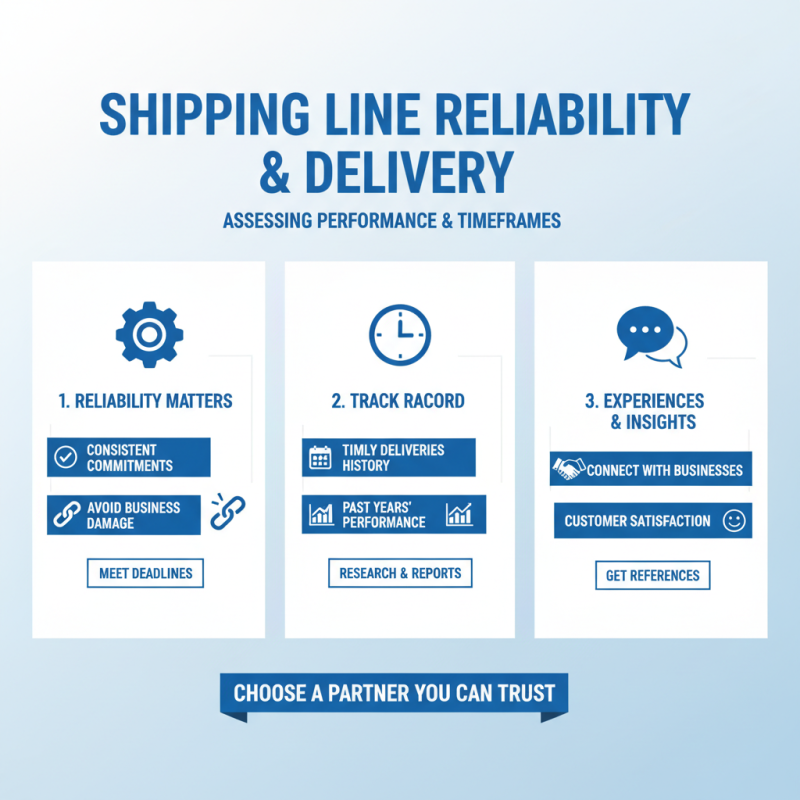
When choosing a shipping line, reliability is paramount. You want a partner that consistently meets its commitments. Delays can hurt your business reputation and customer satisfaction. Researching the shipping line’s track record in timely deliveries is essential. Check their history over the past few years and any available performance reports. If possible, connect with other businesses that have used their services.
Delivery timeframes vary significantly among shipping lines. Look for details on their average transit times to your destination. Understanding seasonal fluctuations can also provide insights. Some lines may experience delays during peak seasons. While many lines promise quick delivery, it's important to dig deeper. A fast service that often fails to deliver on time may end up costing you more in the long run.
Assessing reliability includes reviewing their customer service. A responsive team can facilitate problem-solving during unexpected delays. Consider how they handle claims or lost shipments, too. Transparency in their processes is crucial. Shipping is complex, and unexpected issues arise. Choosing a shipping line with clear communication can save you time and stress. Reflect on these factors as you evaluate your options.
Reviewing Customer Support and Communication Channels
When selecting a shipping line, customer support and
communication channels are critical. You want a provider that is reachable through various means. Look for options
like phone, email, and live chat. Efficiency in communication can save you time and frustration.
Fast responses are vital when issues arise. Consider testing their communication channels before making a commitment.
Another aspect to evaluate is the quality of the support you receive. It's not just about being reachable;
it's about being effective. Ask questions and gauge their knowledge and responsiveness. A knowledgeable
team can offer solutions tailored to your specific needs. Poor support can leave you feeling lost
and may lead to costly delays.
Documenting your interactions can help identify patterns in their service. Note
response times and the clarity of their answers. This reflection can reveal whether they prioritize customer
needs or simply follow a script. A reliable shipping line should adapt its responses to the complexities of your queries.