What Is Ocean Freight and How Does It Work?
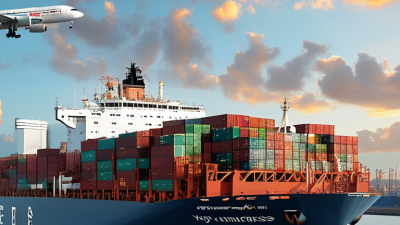
Ocean freight moves manufactured goods, food, machinery, and raw materials across oceans in standardized containers. According to UNCTAD’s Review of Maritime Transport 2024, ships carry over 80% of global merchandise trade by volume. That statistic gives ocean freight enormous commercial importance. It also exposes its weaknesses. A single port delay can affect factories, warehouses, and shop shelves thousands of miles away.
The process begins when a shipper books space with a carrier or freight forwarder. Cargo is packed into a container, documented, and delivered to a departure terminal. Port cranes then lift it onto a vessel. The ship may call at several ports before reaching its destination. Transshipment can add another transfer, another handling charge, and another possible delay. At arrival, customs clearance, terminal release, and inland transport complete the journey. The bill of lading records key responsibilities and shipment details. Small errors matter.
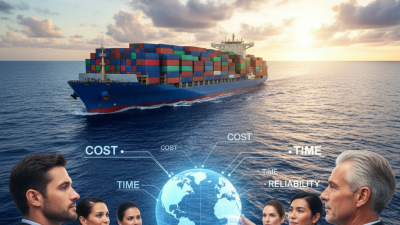
Maritime economist Martin Stopford has described shipping simply: “Shipping is the servant of trade.” His observation remains useful, although the modern system is far more interconnected. UNCTAD reported that global maritime trade grew by 2.4% in 2023, while disruptions in major routes later increased sailing distances and operating pressure. The World Bank’s Logistics Performance Index also shows that reliability depends on coordination, not distance alone. Ocean freight is usually cost-efficient for large volumes, but it is rarely fast. That trade-off deserves honest attention. A clean supply-chain diagram cannot show every storm, queue, shortage, or missed connection. Understanding those details makes ocean freight planning more realistic.
Ocean Freight Defined: 80%+ of Global Trade by Volume Moves by Sea (UNCTAD)
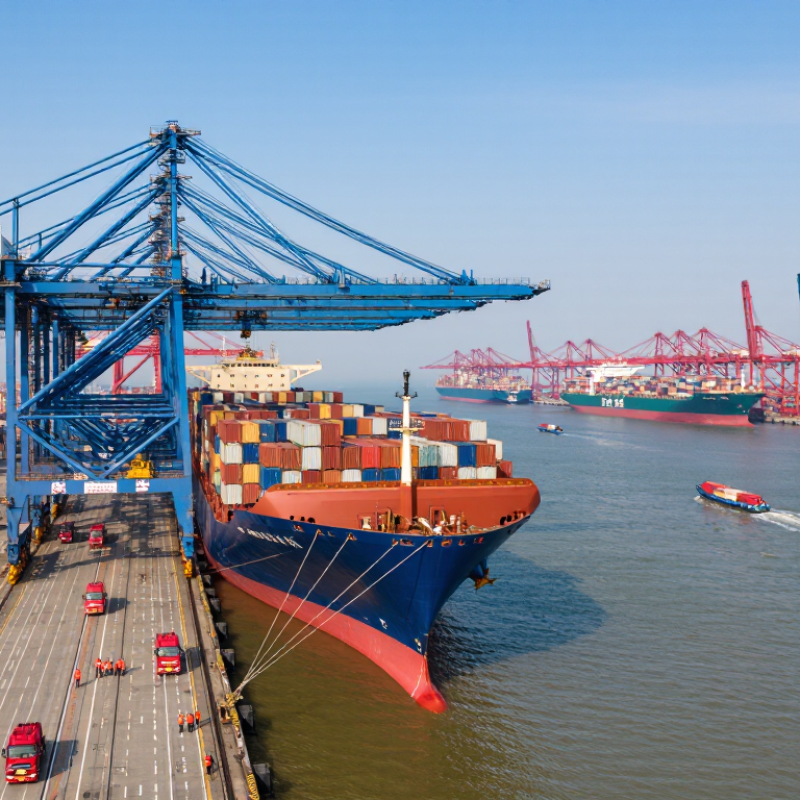
Ocean freight is the movement of goods by ship between ports. It carries more than 80% of global merchandise trade by volume, according to UNCTAD’s Review of Maritime Transport 2024. That figure explains its importance. A single vessel can transport thousands of containers across oceans, using less fuel per unit than most airfreight services.
The process starts when a seller books space with a carrier or freight forwarder. Goods are packed into containers, delivered to a terminal, and checked through export procedures. A vessel then carries them to the destination port. Customs clearance, unloading, inland trucking, and final delivery follow. It sounds simple. It is not always predictable.
UNCTAD reported that global maritime trade grew by about 2.4% in 2023.
Its 2024 review also warned that longer routes and operational disruptions can increase costs and emissions. Transit time depends on port congestion, weather, vessel schedules, and cargo handling. A container may wait several days before loading, even when the ship arrives on time.
The World Bank’s Logistics Performance Index 2023 shows that tracking, customs efficiency, and shipment reliability strongly affect supply chains. These details matter for importers. A low ocean rate may lose its value when storage charges accumulate. Ocean freight remains powerful, but the 80% figure can hide uneven performance between ports and regions. Forecasts are useful. They are never guarantees.
Vessel and Container Types: From 20-Foot TEUs to 24,000-TEU Ships
Ocean freight moves cargo between ports on specialized container vessels. A TEU means one twenty-foot equivalent unit, based on a standard 20-foot container. A 40-foot container counts as two TEUs. The number measures space, not cargo weight. That distinction matters.
Standard dry containers carry boxed, palletized, or machinery cargo. Refrigerated containers control temperature for goods requiring stable conditions. Flat racks support oversized cargo, while open-top units handle tall or awkward loads. Choosing the wrong container can create delays, extra handling, or unusable space. Container selection should follow the cargo’s dimensions, weight, loading method, and protection requirements.
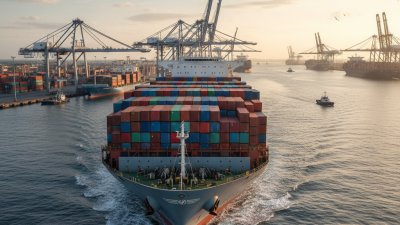
Vessels range from small feeder ships to ships rated above 24,000 TEUs. Their actual load rarely matches the advertised capacity. Port depth, crane reach, weather, stability, and container weight affect usable space. A ship may have room for more boxes but still face weight limits. At the terminal, containers are inspected, weighed, documented, and arranged according to the vessel’s stowage plan. Heavy units usually sit lower, while temperature-sensitive containers need power connections. The neat TEU figure can mislead. Reliable planning requires checking the full route, not just the ship’s size.
The Shipping Workflow: Booking, Cargo Packing, and Bill of Lading Issuance
What Is Ocean Freight and How Does It Work?
The Shipping Workflow: Booking, Cargo Packing, and Bill of Lading Issuance
Ocean freight begins with a booking request. The shipper provides cargo details, pickup location, destination port, and preferred sailing date. A freight professional checks space, equipment availability, and carrier cut-off times. Once confirmed, the booking notice shows the container type, loading deadline, and port instructions. These details seem simple, but one missed deadline can delay the entire shipment.
Cargo packing follows the booking plan. The team checks carton strength, weight distribution, moisture protection, and container compatibility. Heavy cartons should stay low and remain evenly balanced. Empty spaces need blocking or bracing to reduce movement during rough weather. I have seen well-labeled cargo move smoothly, while unclear markings created avoidable inspection questions. After loading, workers record the container number and seal number. Photos help, too. They are not perfect evidence, but they support later checks.
Tips: Confirm every booking detail in writing. Verify the shipper, consignee, ports, package count, gross weight, and cargo description before issuing the bill of lading. Review the draft carefully. Small errors can affect customs clearance, delivery instructions, or payment procedures. The final bill of lading should match the actual cargo and transport terms. Do not guess. Ask when information is unclear. Mistakes happen, even in organized operations, so a second review is worthwhile.
Port Operations Explained: Customs, Transshipment, and Container Handling
Ocean freight moves cargo between ports in sealed containers, usually aboard large vessels. Port operations begin when a container enters the terminal by truck or rail. Staff check its booking, seal, weight, and condition. Customs officers review commercial invoices, packing lists, and cargo declarations. They may request an inspection before granting release. A missing value or incorrect description can delay clearance for days. The process looks orderly, but timing is rarely perfect.
After customs approval, cranes move containers into the yard or directly onto a vessel. Terminal planners place each box according to weight, destination, and unloading sequence. Transshipment occurs when cargo changes vessels at an intermediate port. This helps connect smaller ports with major shipping routes. However, every transfer adds handling, scheduling risk, and possible storage costs. A damaged seal or unreadable container number needs immediate investigation. Small details matter.
Tips: Confirm container data before pickup. Check the seal number against shipping documents. Ask for the port’s cut-off time, not just the vessel departure. Allow extra time for inspections, weather, and yard congestion. Keep digital and paper records. They may not always match, so review both carefully. When an exception appears, contact the carrier, terminal, and customs representative quickly. Clear communication often prevents a minor error from becoming a costly delay.
Freight Costs and Transit Times: Rates, Surcharges, and 20–45-Day Routes
Ocean freight moves most international goods by container ship. UNCTAD’s Review of Maritime Transport 2024 states that ships carry over 80% of global merchandise trade by volume. A typical route takes 20–45 days, depending on distance, port calls, weather, and customs clearance. A 20-day sailing can become 30 days after a missed cut-off or vessel rollover. The sea leg is only part of the journey.
Freight costs include the base ocean rate and several surcharges. Common additions include terminal handling, bunker adjustment, documentation, security, and peak-season fees. Drewry’s 2024 World Container Index reported an average spot rate of about $3,905 for a 40-foot container, more than double its 2023 average. This figure is a market indicator, not a guaranteed quotation. A real shipment may cost more when equipment is scarce, ports are congested, or currency values change. Rates are not perfectly predictable. That remains a practical weakness in many shipping budgets.
Tips: Request an all-in quotation with a clear validity date. Confirm origin and destination charges separately. Ask whether the transit time covers port-to-port movement or final delivery. Leave several buffer days for inspections and delays. A cheaper rate can become expensive after storage, demurrage, or missed production schedules. Review the quote carefully.