Choosing the right logistics freight option can shape a global purchase before the goods leave the supplier’s warehouse. Cost matters, but it is only one part of the decision. A delayed container, unclear tracking update, or missing document can quickly change the final result.
This guide examines ten practical freight options for international buyers. It considers ocean containers, air cargo, rail transport, road delivery, courier services, and multimodal shipping. Each option offers different strengths. Ocean freight suits large, non-urgent orders. Air freight supports time-sensitive products. Rail can balance speed and cost across suitable trade routes.
Real purchasing decisions often involve smaller details. A buyer may compare a 40-foot container, pallet dimensions, fuel surcharges, insurance, port handling, and customs preparation. Delivery terms such as FOB, CIF, and DDP also affect responsibility and risk. Reliable providers should offer clear quotations, shipment milestones, cargo protection, and responsive communication.
There is no perfect method.
A low price may hide longer transit times. Fast delivery may create pressure on budgets and inventory planning. Even experienced buyers can underestimate seasonal congestion or weather disruptions. This overview aims to support careful comparison through practical, verifiable considerations. It does not replace professional customs, tax, or compliance advice. Instead, it gives global buyers a clearer starting point for selecting logistics freight that matches cargo value, urgency, destination, and operational risk.
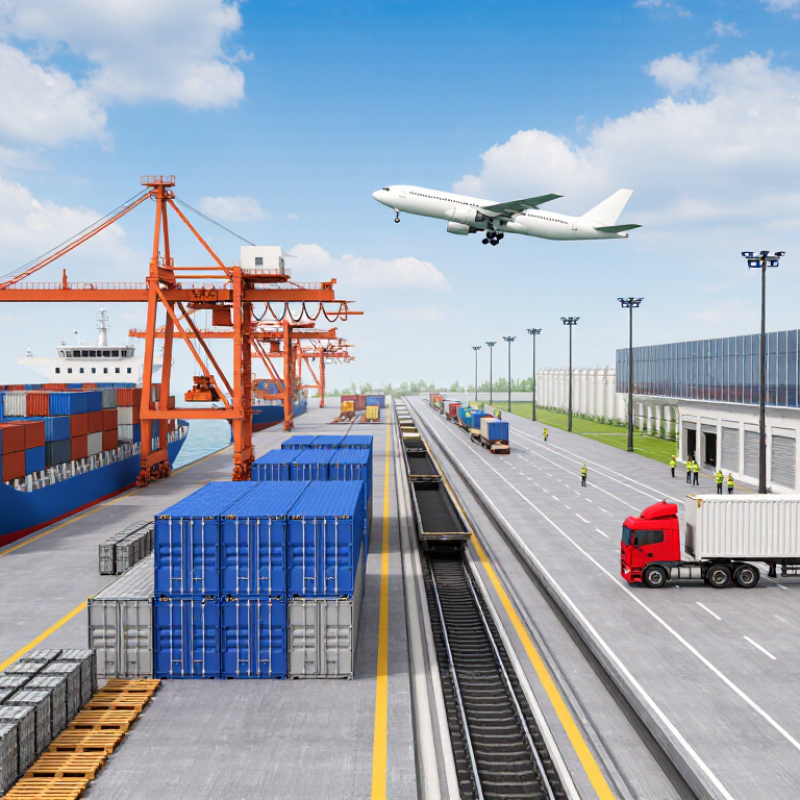
Global buyers need more than a low freight quote. They must match transport methods to cargo value, size, urgency, and destination access. The ten common options include full-container shipping, less-than-container shipping, air cargo, express delivery, rail, road, multimodal transport, temperature-controlled freight, project cargo, and inland waterway shipping. Each option solves a different practical problem.
Full-container shipping suits large, steady orders. Less-than-container shipping supports smaller loads, but extra handling may increase damage risk. Air cargo moves urgent, high-value goods quickly. Rail and road services connect inland factories with regional hubs. Multimodal freight combines several methods under one plan. Temperature-controlled transport protects sensitive products. Project cargo requires careful lifting and route planning. Inland waterways may reduce cost when schedules are flexible.
I check dimensions, cargo classification, insurance terms, and the final delivery address before comparing rates. A port-to-port quote may exclude trucking, storage, duties, or terminal charges. That surprise is common. Delivery terms should identify who handles customs clearance and when risk transfers. Transit estimates remain estimates, especially during storms or congestion. I often prefer a slower route with stronger tracking and clearer communication. Still, that choice is not universal. Fragile goods, seasonal deadlines, and cash flow can change the best answer.
Top 10 Logistics Freight Options for Global Buyers
Comparing Air, Sea, Rail, Road, and Multimodal Transport
Global buyers rarely choose freight by price alone. Air transport suits urgent, compact, high-value shipments. It offers short transit times and frequent departure options. However, airport handling, fuel costs, and dimensional weight can raise the final bill. Sea freight carries large volumes at a lower unit cost. It works well for furniture, machinery, and replenishment stock. Transit is slower. Port congestion can disrupt carefully planned delivery dates.
Rail can balance speed and cost across long inland corridors. It usually creates fewer emissions than air freight, though routes and border procedures limit flexibility. Road transport adds useful door-to-door control. It is practical for regional distribution, factory pickups, and final delivery. Yet traffic, weather, driver availability, and local restrictions affect reliability. These risks are easy to underestimate. A transport quote means little without accessorial charges, insurance terms, packaging requirements, and customs responsibilities. Costs fluctuate.
Multimodal transport combines two or more modes under one movement plan. Sea and road may serve bulky cargo, while rail and road support predictable inland legs. Air and road often protect urgent orders from long delays. Experienced logistics teams verify current schedules, transfer points, documentation, and import requirements. The best choice depends on delivery tolerance, cargo dimensions, inventory value, and route stability. Buyers should compare total landed cost, not only the freight line. A small packaging change can alter the mode decision. One practical mistake is assuming the fastest option is automatically safest. It may arrive quickly, but poor handoffs can cause damage or missing documents. Review tracking gaps and contingency plans before booking. Some lanes look efficient on paper. Not always.
| Rank | Freight Option | Primary Mode | Typical Door-to-Door Transit | Indicative Cost Index* | Typical Shipment Profile | Approx. CO₂e Intensity** | Schedule Reliability | Best Use Case | Main Limitations |
|---|---|---|---|---|---|---|---|---|---|
| 1 | Standard Air Freight | Air | 3–8 days | 8.0–15.0 | Time-sensitive cargo, 100 kg to several tonnes | 500–800 g CO₂e per tonne-km | High | Urgent replenishment, high-value goods, short product life cycles | High cost and emissions; limited size and weight flexibility |
| 2 | Air Express / Priority Air | Air | 1–4 days | 12.0–25.0 | Small parcels and critical shipments, generally under 100 kg | 600–1,000 g CO₂e per tonne-km | Very high | Samples, replacement parts, prototypes, emergency orders | Highest cost per kilogram; dimensional-weight charges can apply |
| 3 | Full-Container Ocean Freight | Sea | 25–55 days | 1.0–1.8 | Large-volume cargo occupying most or all of a container | 10–40 g CO₂e per tonne-km | Medium | Lowest unit cost for predictable, non-urgent international volumes | Long transit times, port congestion, sailing changes and schedule variability |
| 4 | Less-than-Container-Load Ocean Freight | Sea | 30–65 days | 1.8–4.0 | Smaller consignments that do not fill a container | 20–60 g CO₂e per tonne-km | Medium | Small and medium purchase orders where ocean speed is acceptable | Extra consolidation and deconsolidation handling; greater damage risk |
| 5 | Rail Freight | Rail | 14–35 days | 2.0–4.5 | Containers, palletized cargo and heavy shipments on connected corridors | 20–60 g CO₂e per tonne-km | Medium to high | Land bridges where lower emissions and shorter transit than ocean are needed | Dependent on rail networks, border procedures and terminal capacity |
| 6 | Full-Truckload Road Freight | Road | 1–10 days | 3.0–7.0 | Dedicated truckloads, usually 10–24 tonnes depending on regulations | 60–150 g CO₂e per tonne-km | Medium to high | Regional or cross-border deliveries requiring direct door-to-door service | Fuel-price exposure, driver-hour rules, traffic and border delays |
| 7 | Less-than-Truckload Road Freight | Road | 2–12 days | 4.0–9.0 | Pallets and partial loads below full-truck capacity | 80–180 g CO₂e per tonne-km | Medium | Flexible regional distribution for mixed-size shipments | Multiple terminal transfers, variable delivery windows and handling exposure |
| 8 | Inland Waterway Freight | Barge / Inland Waterway | 20–50 days | 1.5–3.0 | Heavy, dense and non-urgent cargo near navigable waterways | 20–50 g CO₂e per tonne-km | Medium | Bulk commodities and container flows connected to inland ports | Limited geographic coverage, water levels, locks and seasonal constraints |
| 9 | Sea–Air Multimodal Freight | Sea + Air | 12–25 days | 4.0–8.0 | Medium-volume cargo requiring a balance between cost and speed | 100–300 g CO₂e per tonne-km | Medium to high | Seasonal products, fashion goods and inventory recovery with moderate urgency | Additional transfer points and coordination requirements |
| 10 | Rail–Road Multimodal Freight | Rail + Road | 10–30 days | 2.5–5.5 | Containerized or palletized cargo requiring inland door delivery | 30–100 g CO₂e per tonne-km | Medium to high | Long-distance inland transport with final-mile flexibility | Terminal transfers, network compatibility and border coordination |
Global buyers can choose ten practical freight options: express courier, standard air freight, air charter, full-container sea freight, less-than-container sea freight, rail freight, truck transport, barge service, multimodal shipping, and specialized project cargo. Each option balances speed, cost, capacity, and reliability differently. Express courier suits urgent samples and small cartons. Air freight moves larger shipments quickly, but rates rise sharply with weight and fuel changes. Sea containers provide strong capacity and lower unit costs. They need more planning, often several weeks. Rail can shorten inland-to-inland routes, although schedules may vary across borders. Trucks offer flexible pickup and delivery. Barges are economical for heavy loads near navigable ports. Multimodal transport combines these methods, but every transfer adds handling risk. Charter services deliver speed and control for exceptional volumes. Specialized project cargo needs careful equipment planning.
Compare total landed cost, not only the freight quote. Ask for routing details, cutoff times, insurance limits, tracking access, and recent on-time performance. Confirm carton dimensions and weight before booking. A small measurement error can change the chargeable weight. Keep backup routing available. It may save a shipment during port congestion or severe weather.
Request performance records for similar lanes, not broad promises. Check how carriers handle delays, damaged packaging, and missing documents. I have found that the fastest option is not always the safest choice. A slower route with fewer transfers may protect fragile cargo better. Buyers should also review capacity during peak seasons. The cheapest plan can become expensive when storage, demurrage, or rebooking charges appear. Recheck assumptions before every shipment.
Selecting freight methods depends on cargo size, urgency, value, and destination. Couriers suit small parcels and samples, while air freight serves urgent, high-value shipments. Sea FCL works well for full containers, and LCL suits smaller loads. Speed costs more. Rail can balance cost and transit time across connected land routes. Road freight supports regional delivery and final-mile coordination.
Special cargo needs closer planning. Refrigerated freight protects temperature-sensitive goods, but it requires reliable monitoring and backup power. Roll-on/roll-off services fit wheeled equipment, while flat-rack containers handle oversized machinery. Multimodal transport can combine sea, rail, and road for remote destinations. Charter freight may help with exceptional deadlines, though its cost can change quickly. I have seen buyers choose air freight for bulky goods, then regret the margin loss. The fastest option is not always the safest commercial decision.
Tips: Match the transport method to the cargo’s actual dimensions, not estimated figures. Confirm packaging strength, delivery terms, customs documents, insurance coverage, and destination handling before booking. Request a route plan with possible delays and transfer points. Check temperature limits when needed. Keep a small time buffer; schedules are useful, but rarely perfect. A freight specialist should explain assumptions clearly and identify risks in writing.
Global buyers can choose express air, standard air, full-container sea, less-than-container sea, rail, road, courier, parcel, charter, or multimodal freight. The right choice depends on customs complexity, cargo value, urgency, and delivery distance.
Customs preparation starts before pickup. Confirm tariff codes, commercial invoices, origin documents, and importer responsibilities. The World Bank’s 2023 Logistics Performance Index surveyed 4,090 logistics professionals across 139 economies.
Tracking should show milestone events, not only “in transit.” Request scans for pickup, export clearance, departure, arrival, import clearance, and final delivery. Insurance should reflect replacement cost, freight charges, and possible handling damage.
Claims often fail because photographs, packing records, or delivery notes are missing. I have seen teams insure expensive cargo but neglect the packaging evidence. That is a costly oversight.
Selective coverage may reduce premiums, yet it can create painful gaps. Recheck the policy, route, exclusions, and consignee details before dispatch. Mistakes happen.