Global buyers rarely choose a shipping method by price alone. A container crossing the Pacific, a pallet moving by rail, or a parcel delivered by air each creates different costs, risks, and delivery expectations. The right logistics shipping option depends on cargo size, urgency, destination, customs requirements, and supply chain visibility.
UNCTAD’s Review of Maritime Transport 2024 reports that shipping carries over 80% of global merchandise trade by volume. It also notes that maritime trade grew by about 2.4% in 2023, despite geopolitical tension and route disruptions. DHL’s Global Connectedness Report 2024 shows that international trade remains deeply connected, although businesses are reconsidering distant and fragile supply routes. These figures make one point clear. Shipping choices matter.
John Manners-Bell, a recognized supply chain resilience expert, has said, “Globalisation is not dead, but it is changing.” His observation fits today’s buying decisions. Sea freight may reduce unit costs, while air freight can protect a product launch from delay. Rail and road services may provide useful middle ground. Courier shipping offers speed, but often at a premium.
There is no perfect method.
This guide compares ten logistics shipping types used by global buyers. It considers transit time, cargo suitability, tracking, scalability, and practical limitations. Some recommendations will vary by market. That uncertainty deserves attention, because a low freight quote can hide storage fees, port delays, or weak last-mile performance.
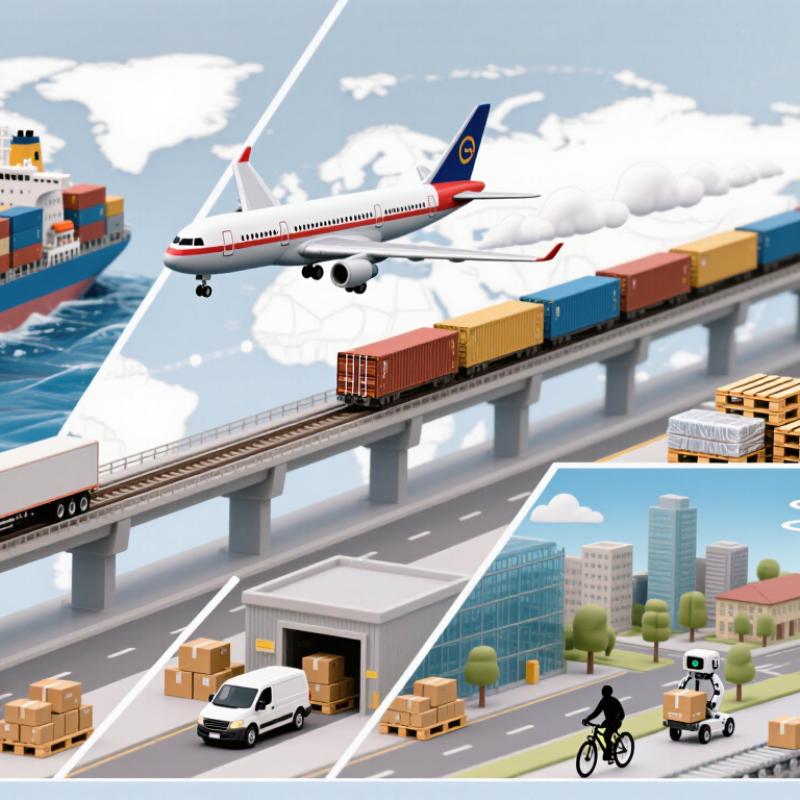
Shipping types are not just transport labels. They shape delivery time, landed cost, cargo safety, and inventory planning. Ocean FCL suits a full container, while LCL combines smaller shipments. Air freight is faster but usually costs more. Express courier works for urgent samples or compact orders. Rail can balance speed and cost across suitable land routes.
Road freight supports regional delivery and border transfers. Multimodal shipping combines sea, rail, road, or air under one plan. Refrigerated transport protects temperature-sensitive goods. Oversized cargo needs special equipment, loading checks, and route reviews. Postal shipping may fit small, low-value parcels, but tracking and delivery speed can vary.
A buyer should compare more than the quoted freight rate. Ask about handling fees, customs documents, insurance, port delays, storage limits, and final-mile delivery. A low ocean rate can become expensive after demurrage or missed production dates. I have seen teams choose air freight for everything, then discover that the extra cost damaged their margins. The opposite mistake happens too. Slow transport may interrupt sales during a seasonal launch. Build a simple comparison using weight, volume, urgency, product sensitivity, and destination access. Then review the choice with the supplier and logistics provider. Estimates can still be wrong. Weather, congestion, and incomplete cargo details create uncomfortable surprises. неприятный
Top 10 Logistics Shipping Types for Global Buyers
How to Compare Shipping Speed, Cost, and Cargo Capacity
Global buyers rarely choose the fastest shipping option alone. They balance transit time, landed cost, and usable cargo capacity. UNCTAD’s Review of Maritime Transport reports that maritime shipping carries over 80% of global merchandise trade by volume. Ocean freight remains the capacity benchmark. Full-container shipping suits large, stable orders, while less-than-container shipping fits smaller cargo. However, port schedules can change without much warning.
Air freight offers speed, but capacity costs more. IATA’s air cargo market analysis states that air transport carries about 35% of global trade by value, despite handling under 1% by volume. Express services can deliver urgent cartons quickly, while standard air freight works better for planned replenishment. Rail and road services often provide useful middle-ground options across connected regions. Multimodal shipping may reduce costs, but transfers create extra handling points.
Compare door-to-door performance, not brochure transit time. Ask for estimated pickup, customs processing, terminal dwell, delivery, and possible delay windows. Include fuel surcharges, handling fees, insurance, dimensional weight, and storage charges. The World Bank’s 2023 Logistics Performance Index treats timeliness and shipment tracking as important logistics measures. My practical mistake was comparing freight quotes before checking carton dimensions. A cheap rate became expensive after volumetric adjustments. Recheck the numbers. A simple spreadsheet showing cost per kilogram, cubic meter, delivery day, and risk exposure makes the decision clearer.
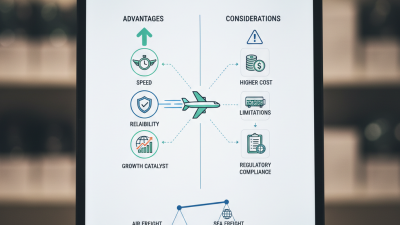
Air Freight for Fast, Time-Sensitive International Deliveries
Air freight suits global buyers who value speed over the lowest transport cost. Delivery may take several days, depending on distance, flight schedules, customs clearance, and local handling. It works well for urgent components, seasonal goods, samples, and products with strict delivery windows. Experienced logistics teams check the cargo’s size, weight, packaging, and destination before booking. A small measurement error can raise the final charge.
Air shipping is not always simple. Airport cut-off times can be earlier than expected. Weather, capacity shortages, and incomplete documents may delay cargo. Buyers should prepare accurate commercial invoices, packing lists, product descriptions, and declared values. They should also confirm whether duties, taxes, insurance, and final delivery are included in the quotation. I have seen fast shipments lose time because the receiving warehouse was closed. Speed still needs coordination.
Tips: Compare chargeable weight with actual weight before choosing air freight. Use strong, lightweight packaging with clear labels. Confirm the departure airport and arrival handling process. Leave a time buffer for customs review. Do not assume the fastest flight guarantees the fastest delivery. A carefully checked booking is often more reliable than a rushed one.
For large-scale global trade, ocean freight remains the practical foundation. UNCTAD’s Review of Maritime Transport 2023 reports that ships carry over 80% of world merchandise trade by volume. A 40-foot container can move thousands of cartons at a lower unit cost than air freight. It may wait days at a congested terminal, however. Buyers should check sailing frequency, port dwell time, container availability, and seasonal surcharges before choosing a route.
Rail freight can shorten inland delivery and reduce exposure to highway congestion. The International Transport Forum’s Transport Outlook 2024 highlights rail’s lower energy intensity compared with road transport. Rail works well for dense cargo moving across long land corridors. A sealed container leaving a factory can reach an inland terminal with fewer handling points. That sounds ideal. Yet rail schedules, border procedures, and terminal capacity can weaken the promise. A modest delay at one interchange may erase the planned advantage.
Road freight provides the flexible final link. It reaches distribution centers, construction sites, and smaller inland warehouses directly. The World Bank’s Logistics Performance Index 2023 shows that reliability depends heavily on shipment tracking, customs efficiency, and service quality. Buyers should compare full transit time, not only the line-haul price. A combined ocean-rail-road plan often balances cost, speed, and control. Still, multimodal shipping adds handoffs. More handoffs mean more opportunities for damage or paperwork errors. Forecasts can be wrong, so keep safety stock for critical orders and review performance after every shipment.
| Rank | Shipping Type | Primary Transport Mode | Typical Cargo | Typical Shipment Size | Indicative Transit Time | Relative Cost Level | Approx. CO₂e Intensity | Best Use for Global Buyers |
|---|---|---|---|---|---|---|---|---|
| 1 | Full Container Load (FCL) | Ocean freight | Manufactured goods, machinery, furniture, packaged commodities | One or more 20-foot or 40-foot containers | 20–45 days port to port | Very low per unit | Approximately 10–40 g CO₂e per tonne-kilometre | Large, regular shipments where the buyer can fill a container and prioritize low transport cost. |
| 2 | Less-than-Container Load (LCL) | Consolidated ocean freight | Cartons, pallets, samples, and partial production orders | About 1–15 cubic metres | 25–50 days port to port | Low to medium | Approximately 20–70 g CO₂e per tonne-kilometre | Smaller international consignments that do not justify a dedicated container. |
| 3 | Rail Intermodal Freight | Rail combined with truck drayage | Containers, bulk materials, automotive parts, industrial equipment | One or more containers or rail wagons | 12–30 days terminal to terminal | Low to medium | Approximately 20–60 g CO₂e per tonne-kilometre | Long continental routes where delivery is faster than ocean freight and more efficient than all-road transport. |
| 4 | Full Truckload (FTL) | Road freight | Palletized goods, packaged products, machinery, temperature-controlled cargo | Normally 20–24 tonnes or 60–90 cubic metres | 1–7 days within a region | Medium | Approximately 60–150 g CO₂e per tonne-kilometre | Time-sensitive or high-volume inland deliveries requiring direct movement with minimal handling. |
| 5 | Less-than-Truckload (LTL) | Consolidated road freight | Mixed pallets, cartons, spare parts, commercial goods | Typically 1–10 pallets | 2–10 business days within a region | Medium to high | Approximately 100–250 g CO₂e per tonne-kilometre | Regional shipments that are too large for parcel service but too small for a full truck. |
| 6 | Air Cargo | Air freight with road collection and delivery | High-value electronics, pharmaceuticals, urgent components, perishable goods | From a few kilograms to several tonnes | 1–5 days airport to airport | Very high | Approximately 500–1,500 g CO₂e per tonne-kilometre | Urgent, lightweight, high-value, or time-critical shipments where speed outweighs cost and emissions. |
| 7 | Sea–Air Multimodal Freight | Ocean freight combined with air freight | Seasonal products, fashion goods, consumer electronics, inventory replenishment | Several pallets to multiple cubic metres | 10–25 days door to door | Medium to high | Lower than all-air, higher than all-ocean transport | Shipments requiring a balance between ocean freight economics and air freight speed. |
| 8 | Inland Waterway or Barge Freight | River, canal, or coastal barge with road or rail connections | Bulk commodities, containers, construction materials, heavy equipment | Hundreds to thousands of tonnes | 3–14 days within connected regions | Very low to low | Approximately 15–50 g CO₂e per tonne-kilometre | Heavy or bulky cargo moving between ports, industrial zones, and inland terminals with suitable waterways. |
| 9 | Roll-on/Roll-off (Ro-Ro) | Specialized ocean vessel with road or rail loading | Vehicles, trailers, agricultural machinery, construction equipment | Individual vehicles to large project consignments | 15–40 days port to port | Low to medium | Approximately 15–60 g CO₂e per tonne-kilometre | Wheeled or self-propelled cargo that can be driven or rolled directly onto the vessel. |
| 10 | Parcel and Express Freight | Air or road network with hub sorting | Documents, samples, spare parts, e-commerce parcels, small packages | Usually under 70 kg per package | 1–7 days door to door | High per kilogram | Approximately 200–800 g CO₂e per tonne-kilometre | Small, urgent shipments requiring door-to-door tracking and rapid customs processing. |
| Indicative benchmarks only. Transit times, costs, shipment limits, and emissions vary by route, cargo type, fuel, equipment utilization, customs procedures, season, and service level. CO₂e ranges are broad industry estimates and should be replaced with route-specific calculations when making procurement decisions. | ||||||||
Global buyers rarely need the fastest route for every order. Shipping choices should match value, urgency, size, and delivery risk. Express air shipping suits urgent samples, replacement parts, and small commercial parcels. Courier delivery offers door-to-door handling with simple tracking. Standard air freight costs less for heavier cartons but needs better planning.
Ocean freight remains practical for large volumes and stable schedules. Full-container shipping protects consolidated cargo from repeated handling. Less-than-container shipping helps smaller buyers share space, although loading delays can occur. Rail and road services connect inland factories with ports, warehouses, and final destinations. Multimodal shipping combines these methods under one transport plan. It can balance cost and speed, but every transfer adds coordination risk.
Specialized shipping needs stricter preparation. Temperature-controlled transport protects sensitive food, cosmetics, and approved healthcare products. Oversized cargo may require reinforced crates, lifting plans, and route checks. Flat-rack or open-top equipment can help, but availability changes by season. Packaging should survive vibration, rain, stacking, and short storage periods. It is easy to underestimate these details. Before booking, confirm dimensions, gross weight, pickup access, delivery appointments, insurance terms, and document requirements. A low quote may exclude terminal handling or last-mile fees. Request a complete cost breakdown. Keep one backup route for delays.