Top 10 Global Logistics Companies for China Sourcing Needs?
In today's interconnected marketplace, global logistics plays a crucial role in business success, especially for companies sourcing from China. The logistics industry has witnessed a significant surge, with the market size expected to reach $12 trillion by 2027, according to Allied Market Research. Businesses face pressures to optimize supply chains amid rising costs and complex regulations.
Investing in the right logistics partners can enhance efficiency and reduce operational risks. For instance, 70% of organizations report improved performance by leveraging advanced logistics solutions. The demand for seamless movement of goods has driven growth in third-party logistics (3PL) providers, who now manage over 75% of the logistics spend for companies. However, companies must remain vigilant in choosing partners who align with their values and operational needs.
Despite advancements, challenges persist. Unexpected disruptions, such as natural disasters or supply chain bottlenecks, can severely impact operations. Trusting logistics providers with inadequate experience or transparency can lead to costly errors. As companies explore global logistics options, critical assessments of potential partners become essential to foster reliable and efficient sourcing solutions from China.

Overview of Global Logistics in the Context of China Sourcing
In the landscape of global logistics, China remains a pivotal player. The nation has surpassed the U.S. as the world’s largest exporter. In 2022, China accounted for over 15% of the global goods trade, according to industry reports. This dominance drives the necessity for efficient logistics solutions tailored to meet sourcing needs.
Challenges arise in this complex ecosystem. For instance, a study by the International Logistics Association highlighted that nearly 40% of U.S. companies sourcing from China reported increased shipping costs. Furthermore, only 25% felt satisfied with their logistics providers. This dissatisfaction indicates the struggle many face in navigating this vast supply chain.
Technology and data analytics are critical to improve logistics efficiency. Advanced tracking systems can minimize delays, providing real-time updates. However, companies often grapple with data integration challenges. According to a recent report, as much as 30% of logistics data remains unused. This untapped potential presents a significant opportunity for logistics optimization. Ignoring these insights could lead to prolonged inefficiencies and increased operational costs.
Criteria for Evaluating Top Logistics Companies for China Sourcing
When evaluating top logistics companies for sourcing needs in China, several criteria should be considered. Reliability is at the forefront. According to a 2022 global logistics report, 65% of businesses prioritize timely delivery as a key performance indicator. A company that consistently meets delivery deadlines fosters trust and efficiency in supply chains.
Cost-effectiveness is also crucial. Companies must balance quality service with competitive pricing. A study published by the Logistics Management Association indicated that shipping costs could consume up to 10% of total product costs for importers. Understanding these financial metrics helps businesses make informed decisions.
Additionally, technology integration plays a vital role. Companies utilizing advanced tracking and inventory management systems are likely to perform better. Research suggests that firms using digital solutions improve operational efficiency by 30%. However, reliance on technology can create challenges. Businesses may face risks like system failures or cybersecurity threats. Balancing technology with human oversight is essential to mitigate these issues.
Top 10 Global Logistics Companies for China Sourcing Needs
| Rank |
Company Type |
Headquarters |
Annual Revenue (Billions USD) |
Global Presence |
Specialty |
Customer Satisfaction Rating |
| 1 |
Freight Forwarder |
USA |
50 |
Global |
Air Freight |
4.8/5 |
| 2 |
3PL Provider |
Germany |
40 |
Asia, Europe |
E-commerce Logistics |
4.6/5 |
| 3 |
Shipping Line |
China |
60 |
Global |
Container Shipping |
4.5/5 |
| 4 |
Logistics Network |
Netherlands |
30 |
Europe, Asia |
Supply Chain Management |
4.7/5 |
| 5 |
Freight Forwarder |
Singapore |
35 |
Asia, Americas |
Ocean Freight |
4.9/5 |
| 6 |
Integrated Logistics |
UK |
70 |
Global |
Warehousing & Distribution |
4.4/5 |
| 7 |
Freight Forwarder |
USA |
55 |
Europe, Asia |
Road Transport |
4.5/5 |
| 8 |
3PL Provider |
France |
45 |
Global |
Contract Logistics |
4.3/5 |
| 9 |
Freight Forwarder |
Japan |
32 |
Asia |
Intermodal Services |
4.6/5 |
| 10 |
Logistics Provider |
Canada |
38 |
North America |
Last Mile Delivery |
4.2/5 |
Profiles of Leading Global Logistics Companies for China Sourcing
When navigating the complexities of sourcing from China, partnering with an experienced logistics company is essential. These firms offer expertise in managing supply chains efficiently. They ensure timely deliveries and minimize costs associated with customs and shipping. A reliable logistics partner also understands local regulations, helping businesses avoid compliance issues.
Many leading logistics companies provide end-to-end solutions, integrating warehousing and transportation services. This unique approach streamlines the process, allowing businesses to focus on core operations. They leverage technology to track shipments and optimize routes. However, not every company can adapt to sudden market changes, which can affect service reliability. Thus, evaluating a partner's flexibility is crucial.
Effective communication is another important aspect. Some logistics companies may struggle with language barriers, impacting customer service. Transparency in operations can vary, too. Businesses must ensure their logistics partner shares information promptly and accurately. The right choice can enhance sourcing strategies, but due diligence is key to avoid pitfalls in logistics management.
Top 10 Global Logistics Companies Evaluation Metrics
This bar chart provides an evaluation of various criteria important for logistics companies that support sourcing needs in China. Each criterion is rated on a scale of 1 to 10, indicating their performance and relevance in the logistics sector.
Trends Impacting Logistics and Supply Chain in China
The logistics landscape in China is evolving rapidly. This change is driven by several factors impacting supply chain management. Digital technology is one of these major influences. According to a report by McKinsey, over 70% of supply chain leaders now utilize artificial intelligence. This adaptation enables improved efficiency and accuracy. Real-time data tracking has become crucial for navigating the complexities of sourcing and distribution.
The rise of e-commerce is reshaping logistics needs. Statista notes that online retail sales in China are expected to exceed $2 trillion by 2025. Such growth demands swift and reliable logistics solutions. Companies face the challenge of balancing speed with cost-effectiveness. Furthermore, environmental sustainability also plays a significant role. A report from Boston Consulting Group indicates that nearly 60% of consumers prefer eco-friendly shipping options. Businesses need to reflect on their sustainability practices to stay competitive in this changing market.
Labor shortages are another pressing issue. With ongoing demographic shifts, the logistics sector struggles to recruit skilled workers. Data from the World Bank highlights that China’s workforce is aging rapidly. This trend necessitates adaptation in recruitment strategies. Improving working conditions could attract new talent. Overall, businesses must navigate these challenges carefully to thrive in China’s dynamic logistics environment.
Challenges Faced by Logistics Companies in Supporting China Sourcing
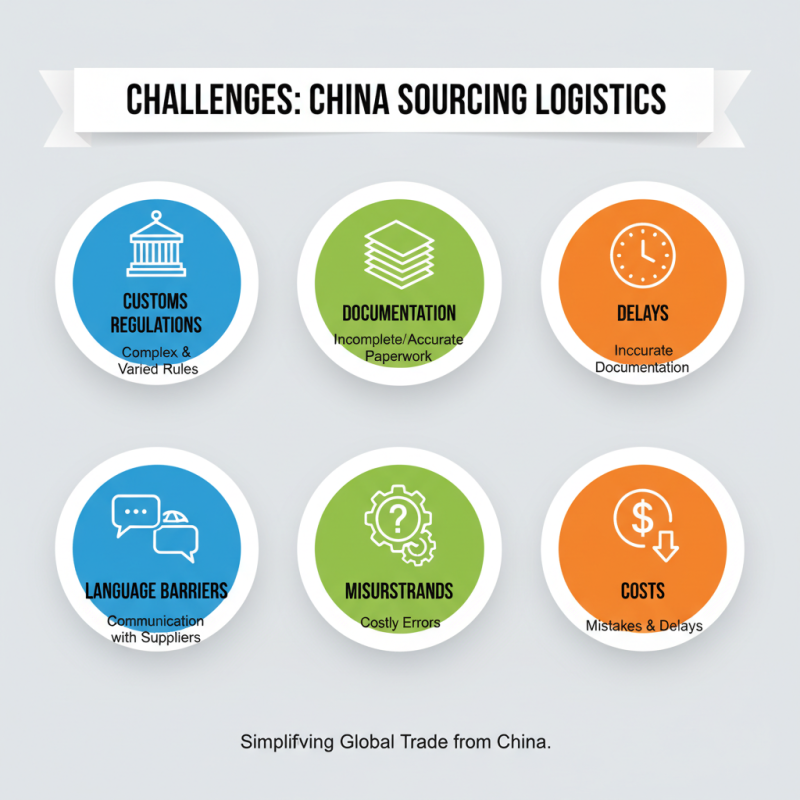
Logistics companies face numerous challenges when supporting sourcing from China. These businesses must navigate complex customs regulations. Difficulties arise from varying documentation requirements. Delays can occur when paperwork is incomplete or inaccurate. Often, firms struggle with language barriers, making communication with local suppliers challenging. Misunderstandings can lead to costly mistakes.
Another issue is the fluctuating shipping rates. Prices can change unexpectedly, impacting budgets. Companies may find it hard to secure reliable transportation options. Capacity constraints and port congestion exacerbate the problem, further delaying deliveries. Additionally, companies must adapt to the ever-changing landscape of global trade. Changes in trade policies and tariffs add more layers of complexity.
Moreover, managing inventory levels in a dynamic environment is crucial. Businesses often experience stock shortages or surpluses. This imbalance can disrupt production schedules. Companies must develop strategies to balance these challenges effectively. Continuous adaptation and learning are essential for growth and success in this sector.