Contact Us 440-356-5353

7 Best Logistics Freight Companies for Global Shipping?

Choosing a global shipping partner is rarely as simple as comparing freight rates. A reliable logistics freight company must coordinate carriers, warehouses, customs documentation, insurance, and delivery schedules across several countries. One missed handoff can leave a container waiting at a busy port for days. That delay affects inventory, cash flow, and customer trust.

This guide examines seven logistics freight companies serving international shippers. The comparison considers network reach, multimodal capacity, tracking technology, contract transparency, customer support, and documented service performance. It also considers practical details, such as temperature-sensitive handling, port congestion planning, and last-mile coordination. These factors often matter more than a low introductory quote.

Martin Christopher, a respected supply chain scholar, wrote, “The winning companies of the future will compete on supply chains, not on individual products and services.” His observation remains relevant. Global shipping is no longer only about moving cargo from one port to another. It is about creating visibility and control throughout the journey.

Still, no ranking can fit every business. A small exporter may value personal support, while a multinational may need automated systems and regional capacity. Public reviews can help, but they may not reveal seasonal delays or contract limitations. That is an important weakness in many comparisons. Readers should verify current pricing, transit times, certifications, and service terms before making a decision. The strongest provider is not always the largest. It is the one that matches your cargo, destinations, risk tolerance, and operating habits.
7 Best Logistics Freight Companies for Global Shipping?

How Global Freight Moves: Maritime Trade Reached 12.3 Billion Tonnes in 2023 (UNCTAD)

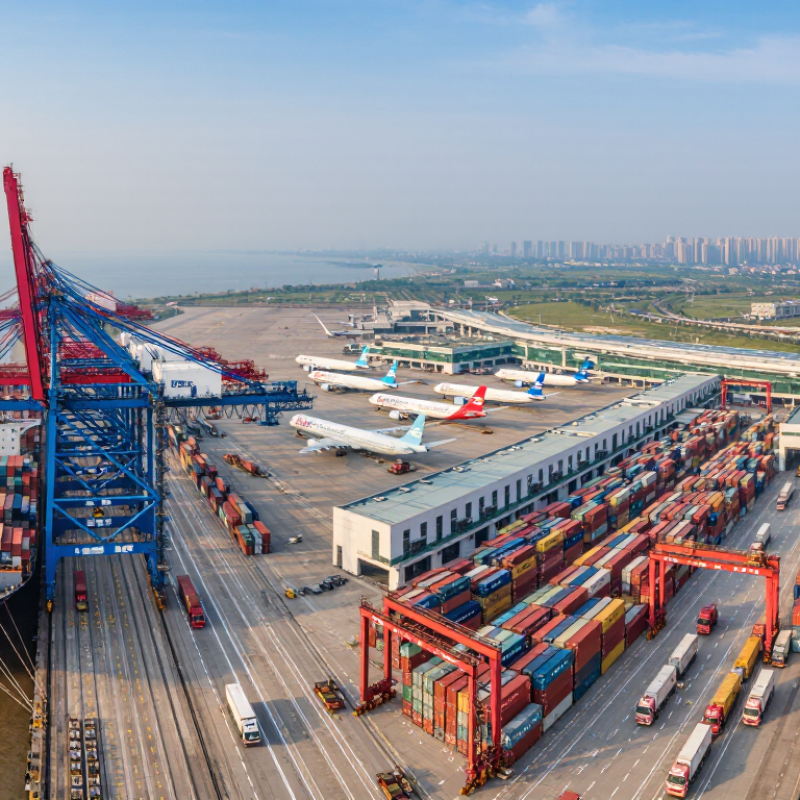
Global freight depends heavily on maritime capacity. UNCTAD’s Review of Maritime Transport 2024 reports that seaborne trade reached 12.3 billion tonnes in 2023, growing 2.4% year on year. This scale explains why the seven best logistics freight companies should be judged by more than price. Their ocean coverage, port connections, customs expertise, cargo visibility, and inland delivery options matter equally. A reliable provider should also manage schedule changes when storms, congestion, or canal disruptions affect transit times.

The World Bank’s Logistics Performance Index 2023 highlights customs, infrastructure, shipment quality, tracking, and timeliness. These measures offer a practical framework for comparing global freight services. In my experience, tracking quality often reveals operational maturity. A dashboard may show a container’s location, but it may not explain a missed connection. That gap deserves attention. UNCTAD also expects maritime trade growth to remain uneven, with geopolitical tensions and rerouting increasing cost pressure. The “best” choice may therefore change by route, cargo type, and delivery urgency.

Tips: Request a full landed-cost estimate, including handling, storage, documentation, and inland fees. Check sailing frequency and backup routes before signing. Ask how exceptions are reported. Test one smaller shipment first. Perfect visibility is rare, and even experienced teams can overlook local port delays. Keep a written record of quoted transit times, service limits, and escalation contacts.

7 Best Logistics Freight Companies for Global Shipping? - How Global Freight Moves: Maritime Trade Reached 12.3 Billion Tonnes in 2023 (UNCTAD)

Provider-neutral comparison of seven global freight service types. The table describes transport options, not individual companies or brand performance.

Freight service type Typical cargo or use Main advantage Key consideration Useful selection criteria
Full-container-load ocean freight (FCL) Shipments that can use most or all of a shipping container. Moves large cargo volumes by sea, generally at a lower cost per unit than air freight. Usually takes longer than air transport; port schedules and inland connections affect door-to-door timing. Container availability, sailing frequency, port coverage, customs support, and end-to-end tracking.
Less-than-container-load ocean freight (LCL) Smaller shipments consolidated with cargo from other shippers. Provides access to ocean shipping without booking an entire container. Consolidation and deconsolidation add handling steps and may affect transit time. Origin and destination coverage, consolidation schedules, cargo handling, and itemized charges.
Air freight Time-sensitive, high-value, or relatively lightweight cargo. Typically offers faster airport-to-airport transit than ocean freight. Capacity and costs can vary; shipment dimensions and chargeable weight affect pricing. Flight options, handling capabilities, security procedures, customs brokerage, and tracking.
Rail freight Suitable cargo moving along rail-connected international corridors. Can provide a land-based alternative between connected origins and destinations. Availability depends on the route, infrastructure, border processes, and onward transport. Corridor coverage, border-handling arrangements, schedule reliability, and last-mile service.
Road freight Domestic and cross-border cargo moved by truck, often for collection or delivery. Offers flexible routing and direct access to many inland locations. Transit can be affected by distance, traffic, border checks, and local regulations. Network reach, equipment type, cross-border expertise, delivery appointments, and proof of delivery.
Intermodal freight Shipments using two or more transport modes, such as ocean plus rail or road. Combines the reach of different transport networks while limiting repeated cargo handling when containers stay sealed. Transfers between modes require coordination and can introduce schedule dependencies. Connection planning, transfer visibility, responsibility across legs, and contingency arrangements.
Project and breakbulk freight Oversized, heavy, or irregular cargo that may not fit standard containers. Can accommodate cargo requiring specialized lifting, stowage, or transport planning. Often requires route surveys, permits, specialized equipment, and detailed cargo handling plans. Engineering capability, lifting plans, cargo securing, permits, insurance, and site coordination.
Global context: UNCTAD reported that maritime trade reached 12.3 billion tonnes in 2023, an increase of 2.4% from 2022. Sea transport carries around 80% of international trade by volume. These figures describe global maritime trade, not the performance of any freight provider.
Source: UN Trade and Development (UNCTAD), Review of Maritime Transport 2024.

Which Criteria Identify the Best Global Logistics Freight Companies?

Choosing the best global logistics freight companies requires more than comparing prices. Reliability begins with proven delivery performance across ports, airports, rail routes, and inland roads. Review on-time percentages, damage rates, response times, and claim handling over at least twelve months. A low quote means little if cargo regularly misses production deadlines.

Strong providers offer clear tracking , accurate documents, and practical support during delays. Ask whether one trained contact manages your shipment from booking to final delivery. Their specialists should understand customs procedures, trade terms, insurance options, and local transport requirements. Verify licenses, security controls, carrier partnerships, and service coverage in every country you use.

Look for measurable communication. Can the provider explain a port closure at 7 a.m.? Will it show revised arrival times instead of vague promises? During freight reviews, I also examine invoices for surprise fees and unclear accessorial charges. Sustainability reporting matters, but figures should be specific and independently supported. No scorecard is perfect. A company may perform well on ocean routes yet struggle with urgent air shipments. Test the service with a small, time-sensitive shipment before committing to a large contract. Cost matters. Consistency matters more.

Seven Leading Freight Companies: Compare Networks, Modes, and Services

A useful review of seven leading freight companies should compare more than advertised coverage. Check which regions each serves directly and where it relies on local partners. A shipment moving from a factory in Vietnam to a warehouse in Germany may pass through several handoffs. Ask who tracks each transfer and who responds when a container misses its connection. Details matter.

The seven providers may differ by strength: integrated global networks, ocean freight, air cargo, regional trucking, rail intermodal service, customs documentation support, or digital booking and visibility. Each model suits different cargo and deadlines. Air can reduce transit time, while ocean shipping often suits larger, less urgent loads. Rail and truck links can shape the inland journey. Some providers offer warehousing or shipment consolidation; others focus on transport coordination. Compare the actual service lanes, not just a map.

Request sample transit schedules, tracking steps, and clear explanations of surcharges. Check whether support is available in the origin and destination time zones. A polished dashboard helps, but it cannot prevent every delay. A port backlog can undo a carefully planned schedule. I would also test how clearly a provider explains exceptions; this is easy to overlook, and service descriptions rarely show the full picture. Choose based on the shipment’s route, handling needs, and tolerance for delay.

What Air Cargo Trends Reveal: Demand Grew 11.3% in 2024 (IATA)

Air cargo demand did more than recover in 2024. IATA reported that global cargo tonne-kilometers rose 11.3% year over year, while available capacity increased 7.4%. Demand therefore grew faster than space. That can mean tighter bookings on busy routes, especially during seasonal peaks. But averages hide local conditions.

The World Trade Organization’s October 2024 Global Trade Outlook projected merchandise trade volume growth of 2.7% for the year. IATA’s air-cargo figure was much higher, suggesting air freight gains were not simply a mirror of overall goods trade. High-value shipments, e-commerce, and inventory restocking may all contribute. Still, it is difficult to infer a single cause from annual totals.

For global shipping, compare freight providers using recent, lane-specific data. Ask about confirmed space, cutoff times, and how delays are reported. Check performance during peak weeks, not only promised transit times. Small details matter. A missed handoff can erase a day. The 11.3% figure signals strong market demand; it does not prove every route is congested. Verify capacity and handling options against your shipment’s actual needs.

Global Air Cargo: Demand Outpaced Capacity in 2024

Year-over-year growth in global air cargo demand and capacity

Global demand, measured in cargo tonne-kilometers (CTK), rose faster than available capacity, measured in available cargo tonne-kilometers (ACTK). Source: IATA, full-year 2024 results.

How to Choose a Freight Partner for Your Cargo, Route, and Budget

Choosing a freight partner begins with your cargo, not a headline rate. Note each shipment’s dimensions, weight, packaging, handling needs, and delivery window. A pallet of machine parts may suit ocean freight, while urgent samples may need air service. Ask how the provider handles tracking, cargo insurance options, and delays. Clear answers matter.

Then compare partners on your actual route. Check whether they regularly serve the origin and destination, and ask which handoffs are managed by subcontractors. Request a written quote that separates transport, handling, storage, and other potential charges. A low price can become less attractive when pickup dates are vague or fees are missing. No spreadsheet catches every delay. Build in time for disruptions, especially when several carriers are involved.

Tips: Share accurate cargo details before requesting quotes. Ask for a sample tracking update and a named contact for exceptions. Compare delivery estimates alongside price, not after it. If an answer feels unclear, ask again; it is better to slow down before booking than discover a gap mid-route.