Why Is Logistics Shipping Important for Global Buyers?
For global buyers, logistics shipping is more than moving cartons between two ports. It connects suppliers, manufacturers, carriers, warehouses, and customers across different time zones. A delayed container can leave a retail shelf empty. A missing tracking scan can create uncertainty for an entire purchasing team.
Martin Christopher, a respected logistics and supply chain scholar, defines the supply chain as “the network of organizations that are involved, through upstream and downstream linkages, in the different processes and activities that produce value in the form of products and services in the hands of the ultimate consumer.” His view explains why logistics shipping deserves careful planning. Buyers depend on accurate booking data, suitable packaging, reliable freight capacity, and clear customs documentation. They also need practical visibility. A useful tracking update should show when cargo leaves a factory, reaches a port, clears inspection, and arrives at a distribution center.
Reliability matters more than impressive promises.
In my experience, small details often decide whether an international shipment feels controlled. A readable label, a confirmed delivery window, or a prompt response can prevent expensive confusion. Still, logistics shipping is not perfectly predictable. Weather, port congestion, demand changes, and human mistakes can disrupt even strong plans. Some businesses may focus too heavily on speed. That approach can overlook damage prevention, cost control, and responsible supplier coordination. Global buyers should therefore evaluate the entire shipping process, not only the final delivery date. Good logistics creates confidence through consistent evidence, realistic communication, and continuous improvement.
How Maritime Logistics Carries Over 80% of World Trade by Volume
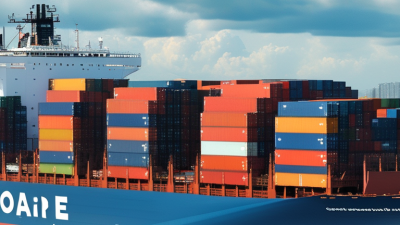
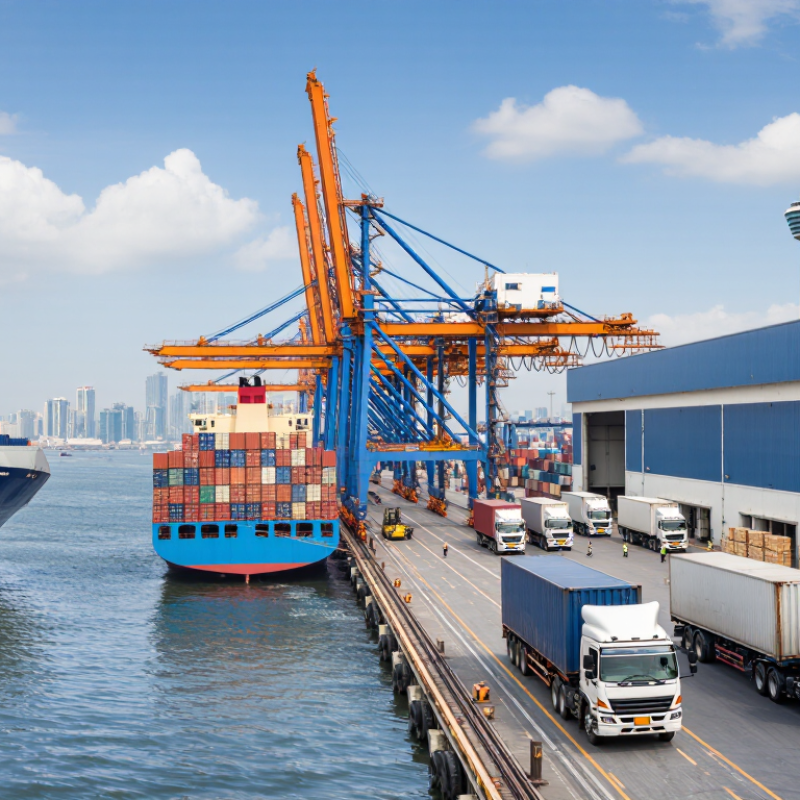
Maritime logistics carries more than 80% of global trade by volume, according to UNCTAD’s Review of Maritime Transport 2023. Ships move food, machinery, energy products, and raw materials across long distances at relatively low cost. A single container may pass through several ports before reaching a buyer’s warehouse.
Scale matters.
The International Maritime Organization reports that shipping transports over 90% of world trade by volume. This dependence makes port efficiency essential. A delayed vessel can leave containers waiting on a terminal yard, while a missed connection may disrupt factory production thousands of kilometers away. For global buyers, reliable maritime planning is not merely a freight concern. It affects inventory, cash flow, delivery promises, and customer trust.
Professional logistics teams track sailing schedules, port congestion, container availability, and customs documents together. The World Bank’s Container Port Performance Index 2023 also shows major differences in port efficiency worldwide. Faster handling can reduce uncertainty, but no system is perfect. Weather, labor shortages, and sudden demand changes still create blind spots. Data helps buyers prepare, yet experienced judgment remains necessary when a shipment stops moving. Small errors matter. A wrong document can delay an otherwise ready container.
Why Air Freight Moves Under 1% of Volume but Over 35% of Trade Value
Global buyers often picture logistics as a cost problem. It is also a value problem. According to the International Air Transport Association, air freight moves less than 1% of global trade volume, yet carries over 35% of its value. Small aircraft shipments can hold medicines, electronics, machine parts, and urgent samples. Their physical volume is limited. Their commercial impact is not.
Maritime transport still carries more than 80% of world merchandise trade by volume, according to UNCTAD’s Review of Maritime Transport. Sea freight suits heavy, predictable cargo. Air freight suits products where delay costs more than transport. A missed launch window can create empty shelves, idle workers, or contract penalties. The 35% figure is not a universal rule. It changes by product, route, and market. That assumption deserves checking.
Tips: Compare freight cost with delay cost, not only the invoice total. Review weight, dimensions, customs documents, delivery deadlines, and shipment tracking. The World Bank’s 2023 Logistics Performance Index highlights customs, infrastructure, logistics services, tracking, and timeliness as key performance areas. In practice, one weak link can erase air freight’s speed advantage. A supplier may promise fast dispatch, yet poor documentation can hold cargo for days. Build a backup route. Test the process with a small shipment. Mistakes are expensive, but ignored assumptions are worse.
How Customs and Duties Shape Cross-Border Logistics Costs
For global buyers, shipping cost is rarely just the ocean, air, or truck charge.
Customs valuation can include the product price, transport, insurance, and other reportable elements, depending on local rules. A small classification error may change the duty rate. It can also trigger document reviews. Costs rise.
Duties are usually assessed against a customs value, while import taxes may apply to the value plus duties and transport. The exact formula differs by country. Buyers should confirm the tariff classification, country of origin, valuation method, and importer responsibility before placing an order. Clear commercial invoices help. So do accurate packing lists and consistent product descriptions.
In shipment reviews, I have seen a low freight quote become expensive after brokerage fees, terminal storage, and inspection charges appeared. The invoice looked simple. The landed cost was not.
A practical budget should include freight, duty, taxes, clearance fees, storage risk, and currency movement.
Ask the seller for a landed-cost estimate, but verify it with a customs professional or official tariff source. Estimates can be wrong. I once treated a standard duty assumption as dependable, then found that origin documentation changed the calculation. That mistake was preventable. Buyers should also set a cost threshold for delayed cargo, because a cheap route may become costly after several days at the port.
How Tracking and Insurance Reduce Risks for Global Buyers
For global buyers, shipping risk often appears in small moments: a missed scan, wet carton, or silent handoff. UNCTAD’s Review of Maritime Transport 2023 reports that around 80% of global merchandise trade by volume moves by sea. A delayed container can affect inventory, cash flow, and customer promises. Tracking creates an evidence trail across pickup, loading, transshipment, customs, and delivery. It does not make cargo safer. It makes trouble visible earlier.
The World Bank’s 2023 Logistics Performance Index lists tracking and tracing among six key logistics capabilities. A suitable cargo insurance policy addresses a different risk. It may cover physical loss or damage, depending on exclusions, deductibles, limits, and evidence. It will not automatically cover every delay. That distinction is easy to miss. A tracking page can also create false confidence when data updates late. Buyers should check shipment details manually when delivery dates matter.
Tips: Request scans at pickup, loading, transshipment, and delivery. Set alerts for missed milestones. Photograph cartons before opening them. Keep invoices, packing lists, delivery records, and damaged packaging. Read claim deadlines before shipment. Confirm whether the policy covers the full multimodal journey, not only ocean transport. Small gaps become expensive later.
Global logistics is essential because different transport modes serve different risk and value needs. Maritime shipping carries more than 80% of international trade by volume, while air cargo accounts for less than 1% of global trade volume but about 35% of its value. Shipment tracking improves visibility across handovers, while cargo insurance helps protect buyers financially when loss or damage occurs.
Sources: United Nations Conference on Trade and Development (UNCTAD), Review of Maritime Transport; International Air Transport Association (IATA), Air Cargo Market Analysis. Figures are rounded global estimates.
How Logistics Performance Affects Delivery Speed and Market Access
Why Is Logistics Shipping Important for Global Buyers?
For global buyers, logistics performance directly shapes delivery speed and market access. A shipment leaving a warehouse quickly may still face port congestion, incomplete documents, or a missed transfer. One delayed customs file can hold a container for several days. That delay affects inventory, customer promises, and cash flow.
Reliable logistics depends on clear tracking, accurate packaging data, and realistic delivery windows. In practical shipping reviews, a scan gap often creates more anxiety than a visible delay. Buyers need to know where goods are and what action is required. Good coordination between suppliers, carriers, customs agents, and receiving teams reduces avoidable waiting. It also helps smaller companies enter markets that once seemed difficult to serve.
Speed alone is not enough. A rushed dispatch can increase damage, misrouting, or unexpected storage costs. This is easy to overlook. I have also seen planning fail when teams trust estimated arrival dates too confidently. Weather, seasonal demand, and local handling capacity can change the outcome. Strong logistics planning leaves room for these disruptions and checks destination requirements before shipping. That discipline supports steadier deliveries and gives buyers more confidence when expanding across borders.