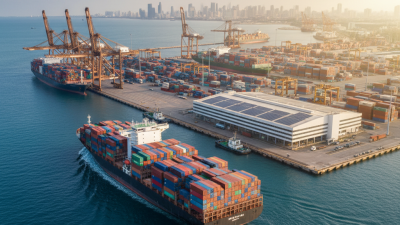
What is Global Shipping and How Does It Impact Your Business?
Global shipping is a critical element in today’s interconnected economy. It transcends borders and enables businesses to reach customers worldwide. Experts in this field, like Dr. Emily Carter, emphasize its significance, stating, "Global shipping is the backbone of international trade." This statement reflects the essential role that global shipping plays in shaping business success and market expansion.
In an era where speed and efficiency are paramount, understanding global shipping is vital for any business targeting a broader audience. Companies must navigate various challenges, including fluctuating shipping costs and supply chain disruptions. Each decision can substantially impact a company’s bottom line. Furthermore, the environmental concerns associated with global shipping prompt a need for sustainable practices, urging businesses to reconsider their logistical strategies.
Despite the opportunities that global shipping presents, many businesses often overlook its complexities. Efficient shipping solutions require continual learning and adaptation. It is not merely about transporting goods; it involves building reliable partnerships and ensuring the timely delivery of products. Emphasizing these aspects can help businesses truly harness the power of global shipping without falling into common pitfalls.
What is Global Shipping?
Global shipping refers to the process of transporting goods across international borders. It encompasses various modes of transport, including ships, trucks, and planes. This method allows businesses to access wider markets and diverse customer bases. In today’s interconnected world, understanding global shipping is crucial for success.
One key tip for businesses is to research shipping regulations thoroughly. Each country has unique customs rules. Failing to comply can lead to delays and extra costs. Knowledge of these regulations can save time and money. Additionally, consider the environmental impact of shipping. It’s essential to choose sustainable options when possible. Sustainable practices can enhance your brand image and attract eco-conscious consumers.
Another important aspect is tracking shipments effectively. Utilize technology to monitor the status of your deliveries in real time. This helps maintain transparency with your customers. They appreciate knowing when to expect their orders. Finally, assess the reliability of your shipping partners. Inconsistent service can disrupt your supply chain. Make informed decisions to ensure a smooth operation.
Key Components of Global Shipping Logistics
Global shipping logistics consist of several crucial components that determine the efficiency of supply chains. These include freight forwarding, customs clearance, warehousing, and last-mile delivery. According to a report by the International Transport Forum, 90% of global trade is facilitated by shipping, emphasizing the importance of optimizing these logistics.
Freight forwarding is a key element, as it involves coordinating the transportation of goods. Efficient freight forwarders leverage technology to track shipments in real-time. In fact, a study by McKinsey reveals that companies using digital solutions in logistics can see a 15-20% reduction in costs. However, this digital shift also presents challenges. Not all businesses can adapt quickly, which can lead to bottlenecks in their supply chains.
Customs clearance is another vital component that can significantly impact timelines. Delays here can disrupt the entire supply chain. According to the World Bank, a minor delay can increase shipping costs by up to 20%. Ensuring compliance with regulations is essential but can be complex and time-consuming. Furthermore, the rise of e-commerce necessitates efficient last-mile delivery, a segment that often accounts for over 30% of total shipping costs. Balancing these components demands a proactive approach to logistics management.
Impact of Global Shipping on Business Operations
Benefits of Global Shipping for Businesses
Global shipping opens doors for businesses looking to expand their reach. Companies can access new markets and customers around the world. This helps in diversifying revenue streams. Reaching international customers often leads to increased sales opportunities.
Cost-effective shipping options are available as businesses scale. Bulk shipping can reduce per-unit costs, maximizing profit margins. Additionally, faster shipping methods can enhance customer satisfaction. Customers appreciate timely delivery more than ever. A strong logistics partnership can streamline operations. However, businesses must be cautious of shipping regulations. Compliance is crucial for smooth operations.
Navigating global shipping isn't without challenges. Issues like customs delays or fluctuating international tariffs may arise. Businesses must prepare for unexpected hurdles in logistics. Continual learning and adaptation are essential. Evaluating shipping partnerships frequently can highlight necessary adjustments. Reflecting on these factors can lead to long-term success.
What is Global Shipping and How Does It Impact Your Business? - Benefits of Global Shipping for Businesses
| Benefit |
Description |
Impact on Business |
| Expanded Market Reach |
Access to customers in different countries and regions. |
Increased sales potential and brand visibility. |
| Cost-Effective Shipping Solutions |
Ability to compare shipping options and rates. |
Lower logistics costs improve profit margins. |
| Enhanced Customer Experience |
Faster delivery times and real-time tracking. |
Higher customer satisfaction and loyalty. |
| Diversification of Supply Chain |
Options to source materials or products from different locations. |
Reduced risk of disruptions and better price negotiations. |
| Global Competitiveness |
Ability to compete with local and international businesses. |
Stronger market position and potential for growth. |
Challenges Faced in Global Shipping
Global shipping presents significant challenges that can impact businesses of all sizes. One major issue is the unpredictability of shipping costs. According to a report by the International Chamber of Commerce, global shipping costs rose by an average of 40% in 2021, driven by increased demand and supply chain disruptions. Companies must stay agile and adjust pricing strategies accordingly. Failing to do so can erode profit margins.
Another challenge is customs regulations and compliance. Complex rules vary by country. A study from the World Bank indicates that businesses can spend up to 20% of their total shipping costs on customs-related issues. This includes delays, fines, and additional paperwork. Failure to navigate these complexities can lead to significant setbacks, impacting delivery times and customer satisfaction.
Finally, environmental concerns are growing louder. The shipping industry is under pressure to reduce its carbon footprint. Reports from the International Maritime Organization emphasize the need for sustainable practices within logistics. Companies that ignore these trends may face backlash from consumers increasingly concerned about sustainability. Balancing cost, compliance, and environmental responsibility is crucial as global shipping evolves.
Strategies to Optimize Your Global Shipping Operations
Global shipping is a complex process. Optimizing your global shipping operations can significantly enhance efficiency and reduce costs. To begin, consider streamlining your logistics network. Evaluate your shipping routes and identify the most efficient options. This can save time and money. Data analysis is crucial here. Look for patterns in shipping delays or cost spikes. Use this information to inform future decisions.
Next, invest in technology. Automation can transform shipping operations. Platforms that track shipments in real-time provide visibility. This allows you to manage issues proactively. You might discover that minor changes can lead to substantial improvements. For instance, adjusting shipping schedules based on peak times can enhance delivery performance.
Communication is key. Establish strong partnerships with carriers and suppliers. Share feedback and engage in regular discussions. This fosters collaboration and can lead to better service. However, remain open to the fact that not every strategy will work. Regularly reassess your approach, and don’t hesitate to pivot when necessary. Embracing continuous improvement is vital in the ever-changing landscape of global shipping.