Top 10 Tips for Sea Freight Shipping for Global Buyers?
Sea freight shipping plays a crucial role in global trade, accounting for over 90% of the world's shipping traffic. According to a recent report by the International Maritime Organization, the sea freight sector has experienced a significant increase in demand, driven by e-commerce and globalization. In light of this growth, understanding best practices for sea freight shipping is essential for global buyers.
Expert in logistics, Dr. Sarah Thompson, emphasizes, "Efficient sea freight shipping requires attention to detail and proactive planning." Her insights reflect the need for buyers to navigate complexities in shipping logistics. Many underestimate the importance of selecting the right shipping partner or failing to understand port regulations.
Efficient sea freight shipping involves more than just booking a vessel. It requires knowledge of customs procedures, cargo handling, and timing. Buyers must be aware of potential delays and costs that can arise. Reflecting on these aspects can improve shipping efficiency and boost overall satisfaction. With the right strategies, businesses can succeed in this competitive landscape.

Understanding the Basics of Sea Freight Shipping for Global Trade
Sea freight shipping is a crucial aspect of international trade. For global buyers, understanding its fundamentals can streamline logistics and reduce costs. Knowing how it works empowers you to make informed decisions.
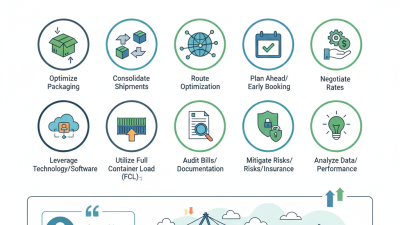
Tip one: Choose the right container. The container you select affects shipping efficiency. Consider the type of goods you are transporting. Are they perishable or fragile? This choice impacts costs and handling.
Tip two: Understand freight rates. Various factors influence these rates. Weight, volume, and distance are key components. Being aware of these can help you negotiate better deals.
Documentation is another area to focus on. Accurate paperwork is essential. Missing documents can lead to delays and extra fees. Double-check your customs paperwork to avoid pitfalls.
In sea freight, timing is critical. Ships have schedules, and delays can occur. Plan ahead to ensure your shipments arrive on time. A buffer can prevent last-minute stress.
Managing risks is also vital. Sea freight involves uncertainties like weather and port congestion. Insurance can mitigate potential losses. Always assess the risks before shipping.
Evaluating Cost Factors: Freight Rates, Fuel Charges, and Duties
When considering sea freight shipping, understanding cost factors is crucial. Freight rates can fluctuate significantly, influenced by global market trends. According to a recent freight report, rates saw a 15% increase in the past year due to rising demand and capacity constraints. Buyers need to evaluate these figures carefully. Often, a seemingly low rate can lead to hidden fees that diminish savings.
Fuel charges add another layer of complexity. In 2023, the International Maritime Organization reported that fuel costs accounted for around 40% of total shipping expenses. Fluctuations in oil prices can impact your bottom line tremendously. It’s vital to keep an eye on these rates and plan accordingly.
To navigate these costs effectively, consider these tips: Evaluate multiple quotes from different carriers. This comparison can highlight disparities in pricing structures. Additionally, involve a logistics expert to help decipher costs. They can often uncover areas where you can minimize expenses. Understanding duties is equally essential; customs tariffs can significantly alter your final costs. Ensure you’re aware of these potential charges before moving forward. Keep in mind that small details can lead to significant budget impacts.
Top 10 Tips for Sea Freight Shipping for Global Buyers
| Tip # |
Cost Factor |
Description |
Estimated Cost (USD) |
| 1 |
Freight Rates |
Assess competitive freight rates from different carriers. |
$1000 - $5000 |
| 2 |
Fuel Charges |
Understand how fluctuating fuel prices affect shipping costs. |
Varies by route |
| 3 |
Duties & Taxes |
Calculate customs duties and taxes for imported goods. |
8% - 30% of goods value |
| 4 |
Transit Time |
Evaluate shipping duration against costs. |
Variable |
| 5 |
Container Size |
Choose between full or partial container loads. |
$1200 - $3500 |
| 6 |
Insurance |
Consider cargo insurance for valuable shipments. |
1% - 2% of cargo value |
| 7 |
Loading & Unloading Fees |
Account for fees at both origin and destination ports. |
$100 - $500 |
| 8 |
Documentation Fees |
Cost of necessary shipping documents. |
$50 - $200 |
| 9 |
Port Fees |
Charges imposed by ports for using their facilities. |
$200 - $800 |
| 10 |
Currency Fluctuations |
Watch for changes in exchange rates affecting costs. |
Variable |
Choosing the Right Shipping Partner: Key Metrics and Credentials
Choosing the right shipping partner is crucial for global buyers. Key metrics and credentials can significantly impact your freight experience. Start by assessing their experience in sea freight. Look for partners with years of industry expertise. They should understand the nuances of international shipping. This can prevent delays or unexpected costs.
Credentials are equally important. Verify their licensing and certifications. A reliable shipping partner should have the necessary approvals and safety standards. Ask about their insurance policies. Coverage is essential for protecting your goods.
Communication also plays a vital role. Your partner should be responsive and accessible. Poor communication can lead to misunderstandings. Evaluate their technology. Tracking systems enhance transparency. You may face challenges finding the right fit. Regular feedback can help improve partnerships. Ultimately, investing time in this process can lead to a smoother shipping experience.
Navigating Customs Regulations: Importance of Proper Documentation
Navigating customs regulations is essential for global buyers engaged in sea freight shipping. Proper documentation acts as a ticket through complex customs processes. Without it, shipments face delays and extra costs. Common documents include invoices, packing lists, and certificates of origin. Each plays a critical role in ensuring your freight moves smoothly.
Incomplete or incorrect paperwork can lead to severe penalties. Each country has unique regulations, so it’s crucial to research thoroughly. Sometimes, what seems like a minor detail can stall your shipment for days. For example, forgetting to include a specific code on your invoice might trigger additional inspections. This can be frustrating and costly.
Buyers must be proactive. Engaging the right customs broker can save time and money. These professionals understand the local requirements. They help you navigate the paperwork efficiently. However, even experienced professionals can encounter challenges. Customs laws can change without notice, adding to the complexity. Staying informed about these shifts is a key to maintaining smooth operations.
Top 10 Tips for Sea Freight Shipping for Global Buyers
This chart illustrates the importance of various tips for sea freight shipping for global buyers, with scores representing their significance in the shipping process. Proper documentation and customs clearance stand out as the most crucial elements to ensure smooth shipping operations.
Timing Your Shipments: Peak Seasons and Their Impact on Delivery
When it comes to sea freight shipping, timing is crucial. Peak seasons can drastically impact delivery schedules and costs. According to data from the World Trade Organization, global trade experiences significant spikes during certain months. For instance, the holiday season drives demand, particularly from August to December. During these months, shipping rates can increase by over 30% compared to off-peak times.
Port congestion is another factor. During peak seasons, ports are busier, leading to longer wait times. The Journal of Commerce reported that container ship turnaround times can increase by up to 50%. This not only slows down your supply chain but can also affect inventory levels. Companies might face stockouts if they do not plan ahead.
Many buyers overlook these dynamics, which can lead to unexpected delays. Proper forecasting and planning become even more essential. Monitoring trends and historical data can help anticipate peak demands. Yet, businesses often underestimate the need for flexibility in their shipping schedules. Adjustments might be necessary to adapt to changing conditions, so a proactive approach is vital in managing sea freight.