China Best Sea Freight Shipping Options for Global Buyers?
In today's globalized economy, effective sea freight shipping remains crucial. According to recent reports by the International Maritime Organization (IMO), approximately 80% of the world's trade by volume is transported by sea. This statistic underlines the vital role of logistics in international trade, particularly for buyers in China looking to connect with global markets.
Navigating the complexities of sea freight shipping can be daunting. Factors such as shipping rates, transit times, and customs regulations are critical considerations. The World Trade Organization (WTO) emphasizes the importance of selecting reliable freight partners to ensure smooth operations. Furthermore, keeping abreast of market trends and capacity constraints is essential, as fluctuations can impact shipping costs and availability.
Despite the reliability of sea freight, challenges persist. Delays may occur due to port congestion or unforeseen circumstances like adverse weather conditions. Therefore, buyers must reevaluate their shipping strategies continuously. With the right information and partnerships, however, they can optimize their supply chains and enhance overall efficiency in the competitive landscape of global logistics.
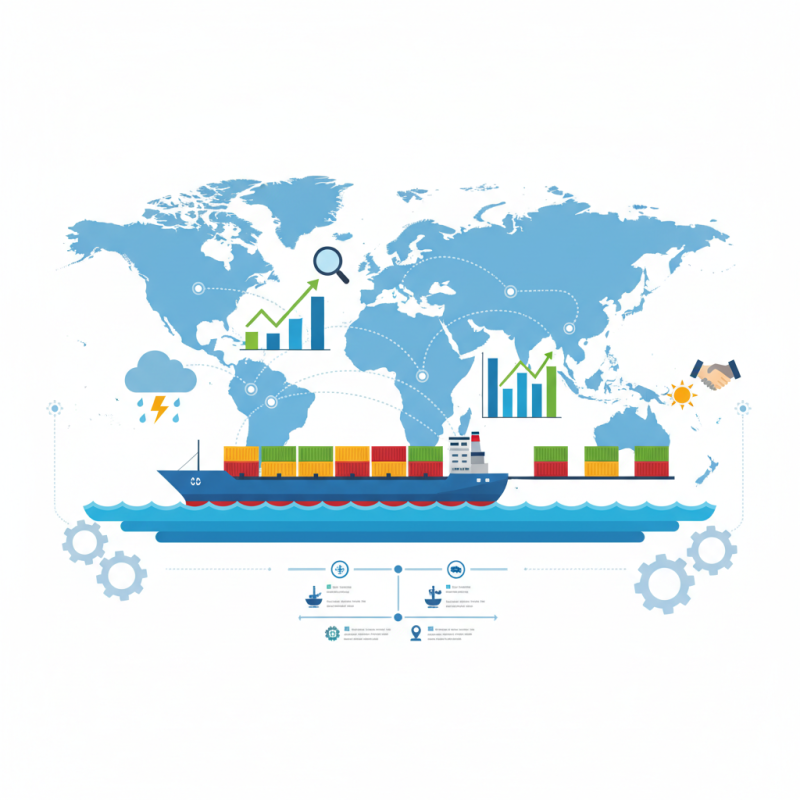
China's Leading Sea Freight Shipping Companies and Their Services
In the realm of global trade, sea freight remains a cornerstone for many businesses. According to the World Trade Organization, about 80% of global merchandise trade by volume is transported by sea. This underlines the importance of selecting the right shipping partner for efficiency and cost-effectiveness.
China boasts some of the world’s leading sea freight companies, offering various services. These companies provide options such as full container load (FCL), less than container load (LCL), and specialized cargo transport. Reports show that LCL shipments have become increasingly popular, accounting for nearly 25% of all sea freight volumes. This trend reflects the needs of smaller businesses seeking competitive rates without compromising reliability.
Costs can fluctuate based on factors like distance and service speed. In 2023, average sea freight rates from China have fluctuated between $1,500 and $3,000 per container. Global buyers must carefully analyze these expenses against potential delays. While low rates tempt many, hidden charges may arise, impacting overall expenditures. Navigating this landscape requires vigilance and informed decision-making to ensure the best shipping experience.
Analysis of Shipping Costs and Transit Times from China to Global Markets
When considering sea freight options from China, shipping costs and transit times are crucial. A recent report from Statista indicates that the average cost of shipping a container from China to the U.S. has fluctuated, with prices reaching as high as $4,000 per container last year. This reflects the volatility in the shipping industry and highlights the need for careful budgeting.
Transit times also vary significantly based on the shipping route. Typically, shipping from Shanghai to Los Angeles can take around 13 to 15 days. However, delays are common due to port congestion. According to the World Bank, such delays can raise the total supply chain costs by up to 15%. This adds pressure to global buyers who rely on timely deliveries.
Buyers must weigh these factors carefully. While low-cost shipping options might seem appealing, they often come with longer transit times and potential unreliability. Additionally, varying shipping lanes can affect service levels. The challenge remains: how to balance cost with service quality effectively in an ever-changing environment.
Understanding Container Types and Their Suitability for Different Goods
When considering shipping goods from China, selecting the right container is vital. Different container types serve various goods, impacting safety and cost. For instance, a standard
20-foot container holds about 28 cubic meters and can carry up to 22,000 kg. This type is suitable for heavy machinery or bulk consumer products. However, using a standard container for delicate items, like electronics, may lead to damage.
Reefer containers, on the other hand, are designed for temperature-sensitive products. They can maintain specific temperature ranges, making them ideal for pharmaceuticals and produce. A report from the World Cargo News states that the logistics market for refrigerated goods is projected to grow by
7.5% annually. Such details highlight the importance of choosing the right container to ensure product quality upon arrival.
Open top containers provide flexibility for oversized cargo that cannot fit into standard containers. This type allows for easy loading from above. However, it exposes goods to environmental factors, which could pose risks. Understanding these nuances helps buyers optimize shipping strategies and minimize losses during transit. Choosing the right container can significantly impact both logistics costs and product integrity.
Key Factors Affecting Sea Freight Rates for International Buyers
When considering sea freight shipping from China, several key factors impact rates for international buyers. The shipping cost can fluctuate based on fuel prices, container availability, and port congestion. According to recent industry reports, fuel costs account for up to 30% of total shipping expenses. As oil prices rise, shipping rates naturally increase.
Container availability plays a crucial role in determining freight rates. Post-pandemic recovery has caused significant disruption in the supply chain. The demand for containers continues to outpace supply, leading to spikes in rental rates. In 2021, average container rates soared by more than 500%, severely affecting shipping budgets for global buyers.
Port congestion is another significant challenge. Major ports in China, such as Shanghai and Ningbo, are often overloaded. Waiting times to dock can extend shipping schedules, causing delays and financial strain. Recent data shows that ships can spend over a week waiting to unload. These complexities highlight the importance of understanding the factors influencing sea freight costs before committing to a shipping plan.
Navigating Customs Regulations and Documentation in Sea Freight Shipping
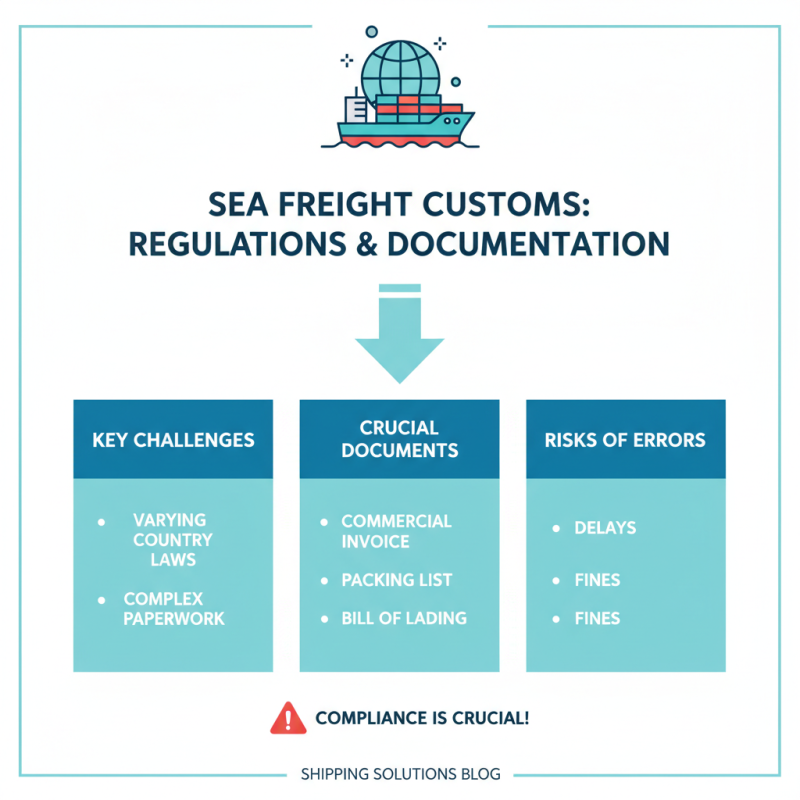
When shipping goods via sea freight, understanding customs regulations is crucial. Each country has specific laws regarding imports and exports. Documentation can be complex and varies depending on the destination. Common documents include commercial invoices, packing lists, and bills of lading. Missing or incorrect paperwork can lead to delays and fines.
Tips for smooth navigation include double-checking your paperwork. Ensure documents match the shipment details exactly. Even minor discrepancies can cause issues. Additionally, stay informed about the latest regulations in both exporting and importing countries. Changes can happen frequently, impacting your shipping process.
It's also helpful to work with experienced customs brokers. They can provide insights and assistance. However, relying solely on brokers may lead to missed opportunities for cost savings. Regularly reviewing and understanding your options can enhance your logistics strategy. Ultimately, knowledge is power in the world of sea freight shipping.