Top 10 Tips for Sourcing Ocean Containers Efficiently?
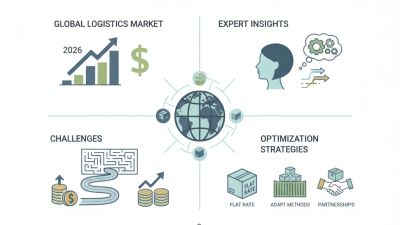
Efficient sourcing of ocean containers is crucial in today’s global trade environment. Experts like Dr. Emily Chen, a renowned logistics strategist, emphasize this: “In the ocean container industry, time is as valuable as the cargo itself.” Her insights reflect the importance of strategic planning and execution in container procurement.
Navigating the complexities of ocean container sourcing requires both expertise and precision. Factors such as shipping routes, costs, and availability constantly shift. Importers and exporters must stay informed to succeed. It isn’t just about buying; it’s about understanding the market dynamics, especially in high-demand seasons.
The ocean container market also faces challenges, including fluctuating rates and limited capacity. Thus, building strong relationships with suppliers can be beneficial. Adaptability and proactive decision-making become key. Companies must be prepared to reevaluate their sourcing strategies regularly. This reflection process can help identify areas for improvement in their logistics workflow.
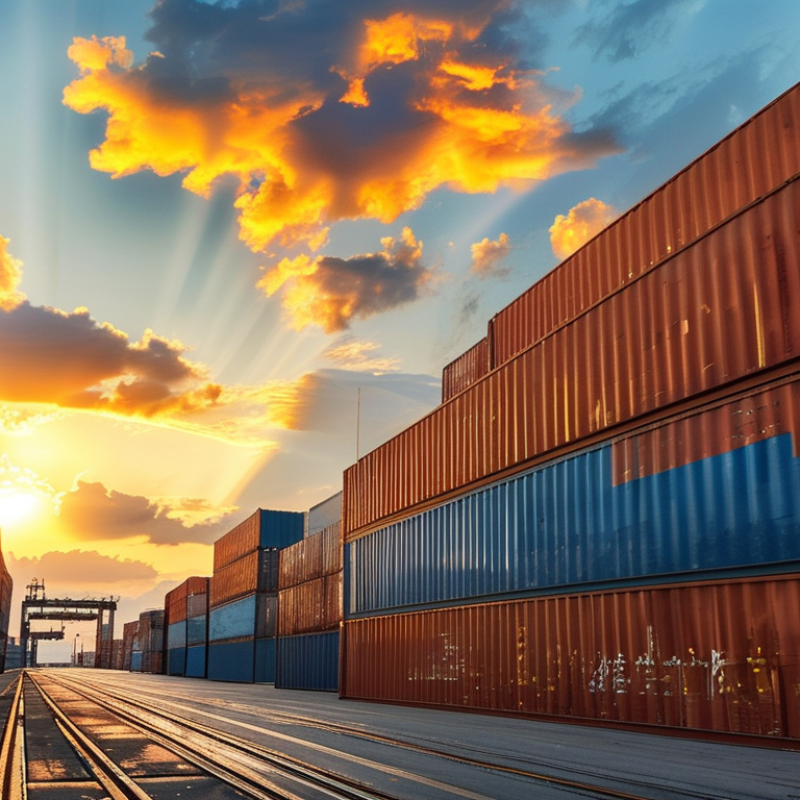
Understanding the Types of Ocean Containers Available for Sourcing
When sourcing ocean containers, understanding the types available is crucial for efficiency. There are several container types, each designed for specific needs. Standard dry containers are most common, ideal for general cargo. They come in 20-foot and 40-foot sizes. According to a recent report by Transport Intelligence, about 90% of the world's goods are transported using these containers.
Reefer containers provide a solution for temperature-sensitive goods. They maintain specific temperatures for perishables, which is essential for food and pharmaceuticals. A study by Drewry Maritime Research found that reefer shipping has increased by 4% year-on-year. This highlights its growing importance in the global supply chain, which retailers and suppliers need to consider.
Specialty containers also exist for oversized or heavy cargo. Flat rack and open-top containers cater to these needs. Expertise in selecting the right type can reduce costs and improve delivery times. However, a mismatch can lead to delays and unexpected expenses. Many companies overlook this, which can hinder their logistics efficiency. Familiarity with container options is vital for achieving sourcing goals.
Top 10 Types of Ocean Containers for Efficient Sourcing
This chart illustrates the various types of ocean containers that companies can source efficiently, along with their usage percentages in global shipping. Understanding these container types can help in making informed decisions when sourcing containers.
Evaluating Shipping Lines and Their Offerings for Container Sourcing
Evaluating shipping lines is crucial for effective container sourcing. According to a 2023 industry report, 65% of shippers consider reliability as their top criterion when selecting a shipping line. Reliability includes on-time delivery and vessel service frequency. Shippers often overlook this factor, focusing instead on costs. However, a single delay can lead to significant losses.
Understanding the offerings of various carriers is equally important. Many lines provide digital tools for tracking shipments, which can improve transparency. A report indicated that 78% of shippers appreciated having real-time updates. Yet, some shippers find these tools inconsistent. Insufficient training among staff can lead to underutilization of these resources.
Furthermore, evaluating contracts can reveal hidden fees and inflexible terms. Some carriers have transparent pricing, while others impose charges that complicate the budgeting process. Careful negotiation can save up to 15% on total freight costs. It’s essential to scrutinize each line’s terms to make more informed decisions. Ignoring details might result in unexpected costs later, impacting overall profitability.
Utilizing Technology and Platforms for Efficient Container Sourcing
In today's logistics landscape, technology plays a crucial role in efficiently sourcing ocean containers. Advanced platforms simplify the procurement process. A recent study from the World Shipping Council reveals that up to 70% of shippers don't utilize digital tools effectively. This gap leads to inefficiencies and missed cost-saving opportunities.
Utilizing data analytics, companies can track container availability in real time. Platforms that aggregate shipping data provide insights on trends and pricing fluctuations. This allows businesses to make informed decisions, reducing lead times by up to 30%. However, reliance on technology also has its drawbacks. Not all platforms are user-friendly. Some companies report difficulties in navigating systems, which can impede progress.
Collaboration through digital networks enhances container sourcing. Companies can share resources and reduce costs collectively. According to research by the Journal of Transport and Logistics, firms that engage in collaborative platforms see a 20% reduction in logistics costs. Despite these advantages, many companies hesitate to adopt these technologies, often due to fears of data security or lack of understanding.
Establishing Relationships with Freight Forwarders and Suppliers
Building strong relationships with freight forwarders and suppliers is crucial for efficient sourcing of ocean containers. According to industry studies, companies with solid partnerships in logistics report a 20% reduction in shipping delays. This highlights the significance of effective communication and collaboration in achieving timely deliveries.
One useful tip is to prioritize consistent communication. Regular check-ins can prevent misunderstandings and ensure that all parties are aligned. Furthermore, understanding each other's capabilities and constraints fosters a collaborative atmosphere. It’s essential to share data transparently to solve potential issues before they escalate. In fact, reports show that companies practicing openness in their logistics communication achieve a 15% lower freight cost.
Another key aspect is evaluating supplier reliability. Not all suppliers have the same track record. Assess suppliers based on their delivery times, product quality, and responsiveness. Utilize rating systems or feedback from other customers to make informed decisions. This approach not only minimizes disruptions but also builds a dependable supply chain. Remember, the quality of your suppliers impacts your overall efficiency.
Analyzing Market Trends and Rates for Cost-Effective Container Sourcing
Understanding market trends is vital for efficient sourcing of ocean containers. Monitoring these trends helps businesses adapt quickly to the ever-changing shipping landscape. This involves tracking shipping rates, seasonal fluctuations, and global economic indicators. Knowledge of these trends enhances decision-making and minimizes costs.
Establishing strong connections with shipping lines can also offer insights into market rates. Regular communication enables access to exclusive deals. A good relationship with carriers may lead to better rates, especially during peak seasons. However, be cautious—what seems like a good deal may have hidden costs.
Realistic forecasting of container needs is another key factor. Overestimating your requirements can lead to wasted resources. On the other hand, underestimating may result in delays. Analyzing historical shipping data can provide a clearer picture of demand cycles. Make it a habit to review this data regularly to adjust sourcing strategies effectively.
Top 10 Tips for Sourcing Ocean Containers Efficiently
| Tip Number |
Tip Description |
Market Trend |
Estimated Savings |
| 1 |
Utilize Freight Forwarders |
Increased demand for consolidated shipping |
Up to 15% savings |
| 2 |
Leverage Digital Platforms |
Shift towards online booking solutions |
10% potential reduction in costs |
| 3 |
Negotiate Long-Term Contracts |
Stable shipping rate environment |
Up to 20% savings on yearly shipping |
| 4 |
Optimize Container Utilization |
Increase in backhaul cargo availability |
5-10% cost effectiveness |
| 5 |
Stay Informed on Trade Regulations |
Changes in freight tariffs and taxes |
Avoid unexpected costs |
| 6 |
Explore Alternative Shipping Routes |
Growth in emerging markets |
Up to 12% in route optimization |
| 7 |
Incorporate Technology for Tracking |
Adoption of IoT and AI in shipping |
Minimize delays, maximize efficiency |
| 8 |
Develop Strong Partnerships with Carriers |
Consolidation among shipping companies |
Potential for reduced freight rates |
| 9 |
Plan for Seasonal Variations |
Predictable spikes in demand |
Avoid peak pricing |
| 10 |
Assess Environmental Impact and Regulations |
Growing emphasis on sustainability |
Long-term cost benefits |