Contact Us 440-356-5353

How to Track Shipping from China Top 10 Ways?

A parcel leaving Shenzhen can pass through a warehouse, a port, and several carrier networks before reaching your door. Each handoff creates a chance for tracking information to update late—or not at all. That is why tracking shipping from China takes more than copying a tracking number into one website. You need to know which carrier has the parcel, what each status means, and when a delay deserves follow-up.

The scale makes reliable visibility important. UNCTAD’s Review of Maritime Transport 2024 reports that shipping carries over 80% of world trade by volume. The World Bank’s Logistics Performance Index 2023 also assesses “tracking and tracing” as a core measure of logistics performance. These reports describe the wider system, not the status of any individual package. For that, check the seller’s dispatch record, the carrier’s official tracking page, and any handoff details. Keep the order number and tracking number handy. Small details help.

MIT supply-chain expert Yossi Sheffi’s work highlights a practical reality: disruptions cannot always be prevented, but better visibility helps teams respond. As the often-cited principle puts it, “The only certainty is uncertainty.” A tracking page is useful, but it is not a live view of every movement. Scans may lag behind the parcel. Customs or transfers can leave a quiet stretch. This guide compares ten ways to track shipping, explains where each method works best, and shows how to verify an update before taking action. Some gaps remain unavoidable. That is worth remembering.
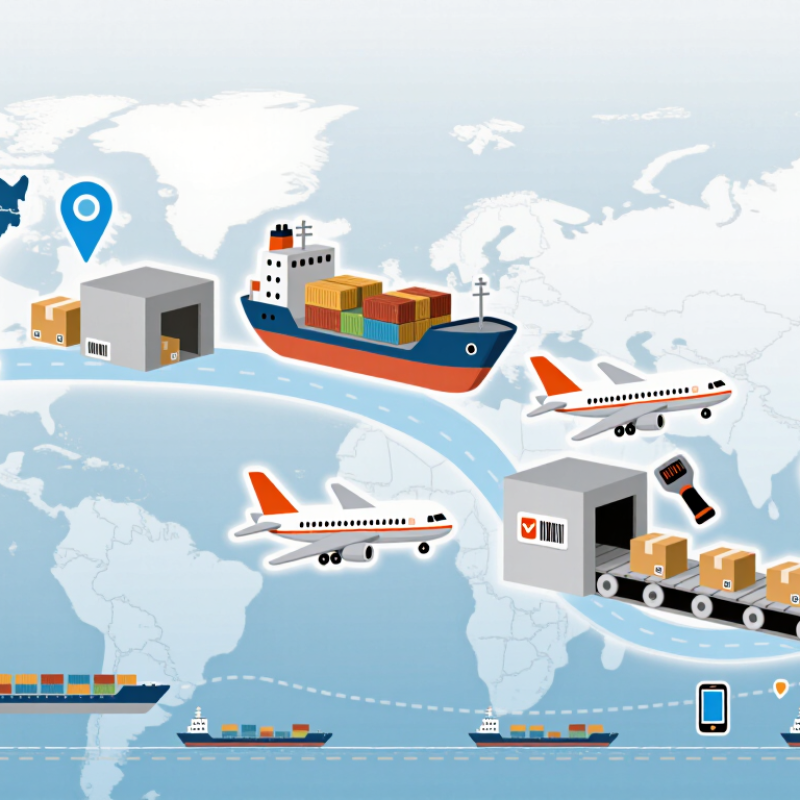
How to Track Shipping from China Top 10 Ways?

Find Your Tracking Number and Identify the Shipping Carrier

Before checking a parcel, find the tracking number in the seller’s order page, dispatch email, or shipping receipt. It may be labeled “tracking ID” or “shipment number.” Copy the full sequence carefully; one missing digit can lead to a different parcel or an error. Keep it handy.

The number alone may not reveal which carrier is handling the shipment. Check the dispatch notice for a carrier name, then enter the number on that carrier’s official tracking page. If the result says “not found,” confirm the digits and wait a little. Scans can take a day or two to appear after dispatch, especially while a parcel moves between facilities. A shipment may also switch to a local delivery carrier after arriving in the destination country. In that case, the original tracking page may show a handoff note or a second number. Ask the sender to identify the carrier if the notice is unclear. Avoid guessing from number length alone; formats overlap, and that clue is not dependable. I have found that tracking pages sometimes update unevenly, so a quiet status does not always mean the parcel has stopped moving. Share the tracking number only with people who need it.
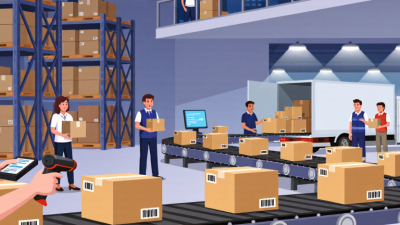

Track Shipments Through the Seller, Marketplace, or Forwarder

A reliable way to track shipping from China is to follow the same shipment through the seller, marketplace, or freight forwarder. Ask the seller for the tracking number and the carrier handling the parcel. Check that the number matches your order, especially if several packages are being shipped. A label can be created before the parcel receives its first carrier scan. That happens. An unchanged status during this early stage does not always mean the shipment is lost.

The marketplace order page may combine updates from different carriers, so its wording can be brief or delayed. Compare it with the carrier’s own tracking page when a carrier name is available. For consolidated freight, ask the forwarder whether the reference tracks the whole shipment or only the final delivery leg. Ocean or air freight may show milestones such as departure, arrival, customs processing, and local handoff. These are not always updated in real time. It can be frustrating, and tracking pages are sometimes less clear than they should be.

Tips: Save the order number, tracking number, and latest status. If updates stop beyond the carrier’s stated window, contact the seller or forwarder with the last scan date. Avoid relying on screenshots alone; request a written status and the next expected milestone.

Check the Carrier’s Website, App, or Customer Service

A carrier’s website is often the clearest place to check a shipment from China. Enter the tracking number exactly as shown on your shipping notice, including letters and zeros. If the carrier offers an app, enable shipment alerts so you can spot a delivery scan without repeatedly refreshing the page. Save the tracking number. It helps when you contact support.

Read each status carefully. “Label created” usually means shipment information was submitted, not that the parcel has started moving. International parcels may also pause while records update or while one carrier hands the parcel to another. That delay can feel worrying. Give the status a little time, then check whether the latest scan has changed. If the number shows no movement beyond the carrier’s stated update window, contact customer service through its official website or app. Share the tracking number, shipment date, and destination postal code. Ask whether the parcel has been received and whether another carrier will handle final delivery. Keep the reply or case reference. Tracking systems are useful, but scans can be late or incomplete; I would not treat one missing update as proof that a parcel is lost.

Use Multi-Carrier Tracking Platforms and Shipping Notifications

After leaving China, a parcel may pass through several hands. These can include an origin carrier, an air or rail handler, and a local delivery company. A multi-carrier tracking platform can gather scans in one timeline, saving you from checking several carrier websites. Add the tracking number as soon as it is available, then confirm that the destination and service match your order.

Watch for milestones such as:

  • carrier acceptance
  • departure
  • arrival at a sorting hub
  • customs processing
  • transfer to the local carrier

Gaps happen. One missing scan does not always mean a parcel is lost.

Turn on email or app notifications for key changes, especially dispatch, customs release, and delivery attempts. Choose useful alerts instead of every minor scan; too many messages can hide one that needs attention.

If a status stays unchanged for several business days, compare timelines on the platform and carrier website. Then ask the seller or carrier to investigate. Keep the order date, tracking number, and relevant screenshots together.

Tracking tools help, but they are not perfect. Notifications may arrive late, and carrier systems sometimes disagree. For important orders, a manual check still helps, though it can feel tedious.

Verify Delivery Updates and Resolve Tracking Problems

A tracking number is useful only when its updates match the parcel’s actual journey. Check that the number on your order receipt matches the carrier’s tracking page, then review the latest scan, location, and timestamp. Export processing can create a quiet period, especially when a parcel moves between facilities or tracking systems. A gap of several days does not always mean the shipment is lost. Still, note when the last update appeared.

If the delivery estimate passes, compare the tracking page with your seller’s order record. Check the destination details and look for messages about address problems, customs review, or a failed delivery attempt. If the status has not changed for several business days, contact the seller or carrier with your tracking number and last scan date. Ask what action is needed and when to check again. I once assumed “delivered” meant the parcel was at my door; it had been left at a nearby collection point. That assumption cost me a day.

Tips: Save screenshots of key updates. Check the local carrier’s page after handoff. Keep messages brief and factual. Tracking can lag, and sometimes the stated delivery window is simply wrong.