Top Trends in International Shipping for 2025 You Need to Know
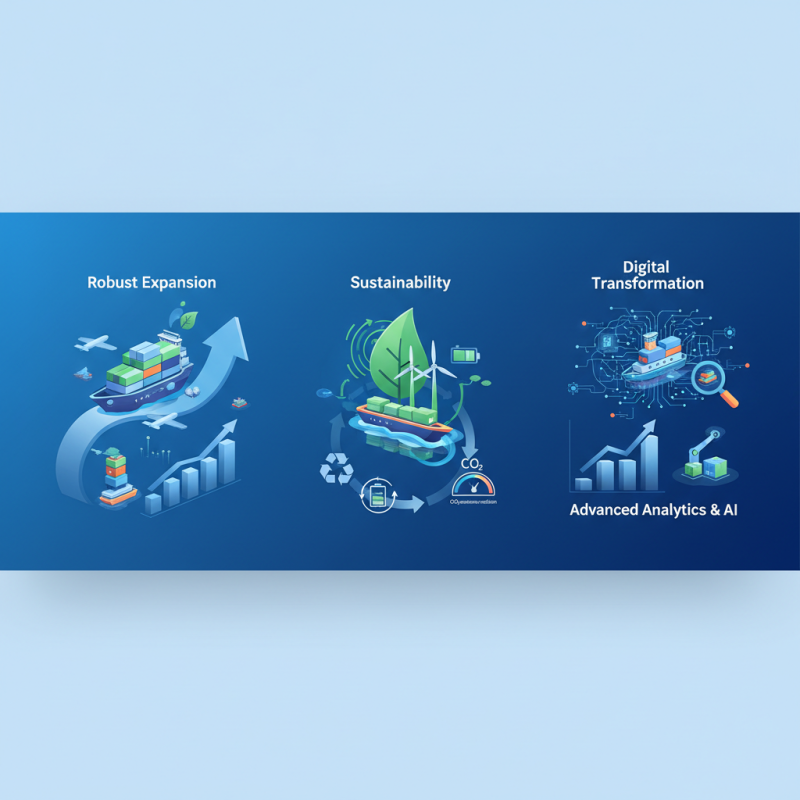
The landscape of international shipping is undergoing a significant transformation as we approach 2025. According to the International Maritime Organization (IMO), the global shipping industry is expected to experience a robust expansion, with a projection of moving over 12 billion tons of cargo annually. This anticipated growth is driven by increasing consumer demand and the continued globalization of trade, emphasizing the critical role that international shipping plays in connecting markets around the world.
In addition to volume growth, sustainability is set to dominate discussions within the sector. The IMO aims to reduce greenhouse gas emissions from shipping by at least 50% by 2050, catalyzing the adoption of greener technologies and alternative fuels. According to the Global Maritime Forum, over 80% of shipping leaders are planning investments in sustainable practices within the next five years, reflecting a significant shift in how businesses operate within the international shipping landscape.
Moreover, digital transformation is also poised to redefine operational efficiencies. Reports suggest that by 2025, around 75% of shipping companies will utilize advanced analytics and AI to optimize routes and supply chains, resulting in reduced costs and improved service delivery. These emerging trends in international shipping promise to reshape the industry, making it more efficient, eco-friendly, and responsive to the global market's evolving needs.
Key Technological Advancements Shaping International Shipping in 2025
The international shipping industry is poised for revolutionary changes in 2025, driven largely by key technological advancements. Among these, the rise of automated vessels is a prominent trend. According to a recent report by the International Maritime Organization, nearly 30% of ships are expected to be fully autonomous by 2025. The integration of artificial intelligence and machine learning into navigation systems is enhancing operational efficiency and safety, significantly reducing human error and operational costs. This shift not only streamlines shipping processes but also responds to the growing demand for faster and more reliable delivery services.
In addition to automation, the adoption of blockchain technology is transforming logistics and supply chain management. A report from Accenture highlights that blockchain can reduce shipping documentation fraud by up to 50% and improve communication between stakeholders, which is critical in an industry known for its complex, multi-party transactions. Furthermore, the implementation of digital twins—virtual replicas of physical assets—allows shipping companies to simulate operations and predict maintenance needs, enabling proactive measures that can save significant costs and downtime. As these technological advancements continue to take shape, they are set to redefine the landscape of international shipping, making it more efficient, secure, and sustainable.
Emerging Sustainability Practices in the Global Shipping Industry
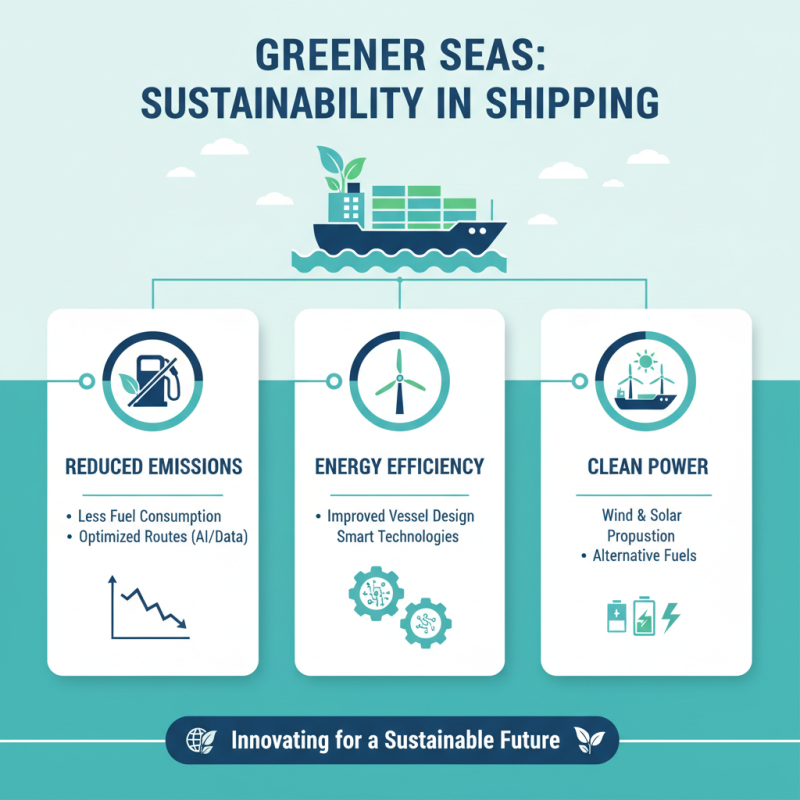
Sustainability is taking center stage in the global shipping industry as companies increasingly recognize the environmental impact of their operations. With shipping responsible for a significant portion of global greenhouse gas emissions, there is a pressing need for innovative practices that minimize this footprint. Emerging sustainability practices are focusing on reducing fuel consumption, enhancing energy efficiency, and leveraging alternative energy sources like wind and solar power to propel vessels. Moreover, integrating smart technologies and data analytics helps companies optimize routes and improve overall operational efficiency, contributing to lower emissions.
Tips for embracing sustainability in shipping include investing in cleaner technologies, such as LNG-powered ships or hybrid systems, which significantly reduce harmful emissions compared to traditional diesel engines. Companies should also explore carbon offset programs and adopt practices like slow steaming, which involves operating ships at lower speeds to reduce fuel consumption and emissions. Additionally, establishing collaboration with suppliers and industry stakeholders can foster shared innovation and best practices in achieving sustainability goals.
As the industry moves into 2025 and beyond, a strategic focus on sustainability will not only enhance compliance with increasing regulations but also improve a company's competitiveness in the market. Building a reputation as a environmentally responsible operator can attract eco-conscious customers, leading to potential growth and new business opportunities in an evolving shipping landscape.
The Impact of Geopolitical Changes on International Trade Routes
Geopolitical changes are set to play a significant role in reshaping international trade routes by 2025. As tensions rise between major powers, countries are reevaluating their trade partnerships and dependencies, leading to a shift in cargo flows.
Emerging markets in Asia, Africa, and Latin America are increasingly becoming focal points for new trade agreements, driven by the need for diversification and resilience against geopolitical disruptions. Consequently, traditional shipping lanes may evolve, amplifying the importance of regional connectivity and the development of alternative routes.
In response to these dynamics, shipping companies are likely to adapt their strategies by investing in technology and infrastructure to better navigate the changing geopolitical landscape. Enhanced monitoring systems will facilitate a more agile and responsive shipping process, while environmentally sustainable practices will become a priority to align with global climate commitments.
The convergence of these factors signifies a period of transition in international shipping, where adaptability will be vital in mitigating risks arising from geopolitical instability and ensuring the smooth flow of goods across borders.
Evolving Regulatory Frameworks and Compliance in Shipping
As the global shipping landscape continues to evolve, regulatory frameworks are becoming increasingly complex and critical for compliance in 2025. The International Maritime Organization (IMO), which has been at the forefront of setting hazardous emissions targets, is expected to tighten regulations further, with the mandate of reducing greenhouse gas emissions by at least 50% by 2050 from 2008 levels. According to a 2023 report by the International Chamber of Shipping, nearly 90% of maritime stakeholders are concerned about these upcoming regulatory changes, recognizing the need to proactively adapt their operations to meet new compliance standards.
In addition to environmental regulations, the rise of digital technologies is transforming compliance practices within the industry. The adoption of blockchain and artificial intelligence is streamlining compliance processes, enhancing transparency, and minimizing the risk of fraud. Research from Global Freight Insights indicates that by 2025, about 70% of shipping firms will have integrated these technologies into their operations to ensure they keep pace with regulatory requirements. This shift not only helps companies avoid hefty fines but also positions them as industry leaders committed to sustainability and ethical practices. The interplay between regulatory frameworks and technological advancements marks a pivotal trend that all stakeholders must navigate in the coming years.
Top Trends in International Shipping for 2025
| Trend |
Description |
Expected Impact |
Compliance Challenges |
| Decarbonization Initiatives |
Increased focus on reducing carbon emissions through alternative fuels and technology. |
Potentially lower operational costs and enhanced brand reputation. |
Adapting to new regulations and investing in technology. |
| Digitalization of Operations |
Adoption of digital tools for tracking shipments and managing logistics. |
Improved efficiency and customer satisfaction. |
Ensuring data security and compliance with data regulations. |
| Evolving Trade Agreements |
Emerging trade agreements affecting shipping routes and tariffs. |
Potential reduction in shipping costs across certain routes. |
Understanding and navigating complex regulations. |
| Increased Consumer Demand for Transparency |
Consumers demanding more information about shipping practices and sustainability. |
Greater customer loyalty and market share. |
Building systems for transparency and accountability. |
| Focus on Cybersecurity |
Increased investment in cybersecurity measures to protect sensitive data. |
Mitigation of risks associated with cyber threats. |
Keeping up with evolving cyber threats and compliance requirements. |
Trends in Digital Transformation and Automation in Shipping Operations
The international shipping industry is undergoing a significant transformation driven by digital advancement and automation, making these trends pivotal for the future. By 2025, research indicates that over 85% of shipping companies will adopt some form of digital technology, emphasizing real-time tracking and communication. The advent of IoT (Internet of Things) devices is enhancing cargo monitoring, allowing for constant updates on shipment conditions, which can significantly reduce losses attributed to delays or damage. In addition, the integration of blockchain technology is set to revolutionize documentation processes, providing transparency and efficiency throughout the supply chain.
Tips: To stay competitive, companies should invest in training their workforce on new digital tools, fostering a culture of innovation that embraces technology. Moreover, leveraging predictive analytics can enhance decision-making, enabling firms to anticipate demand fluctuations and optimize their operations.
As automation continues to gain traction, the shipping sector is expected to increase the use of autonomous vessels and AI-driven logistics management systems. According to recent reports, the market for maritime automation technologies is projected to reach $6 billion by 2025. Automation not only cuts down operational costs but also enhances safety by minimizing human error. Companies that act now to harness these technologies will be better positioned to streamline their processes and scale their operations effectively.
Tips: Regularly evaluate the latest advancements in technology and consider collaborating with tech startups to explore innovative solutions that can elevate operational efficiency.