Top Trends in Air Freight Logistics for 2025 You Need to Know
The landscape of air freight logistics is evolving rapidly, driven by technological advancements, changing consumer demands, and global economic shifts. As we look ahead to 2025, understanding these trends becomes crucial for businesses aiming to optimize their supply chains and enhance their competitive edge. According to Dr. Emily Chen, a prominent expert in air freight logistics, “The future of air freight is not just about speed; it’s about integrating technology and sustainability into every asset of the supply chain.” This perspective highlights the importance of innovation in maintaining efficiency and reliability in air cargo services.
As we delve deeper into the air freight logistics trends anticipated for 2025, we will explore the key drivers that will shape the industry. These include the adoption of advanced technologies like artificial intelligence and automated systems, the increasing emphasis on sustainability, and the shifting dynamics of global trade. By identifying these trends, stakeholders in the air freight logistics sector can better prepare for the forthcoming challenges and opportunities, ensuring they remain at the forefront of this ever-evolving industry. The insights gained will be invaluable for logistics professionals and companies looking to navigate the complexities of air freight logistics in a future that promises both transformation and growth.
Emerging Technologies Transforming Air Freight Logistics by 2025
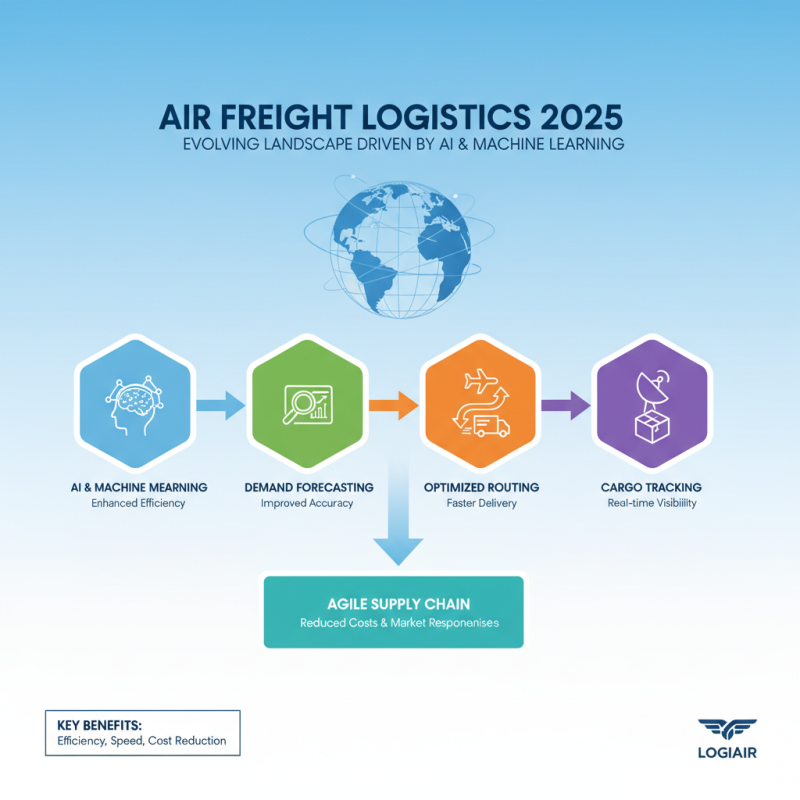
The landscape of air freight logistics is rapidly evolving, driven by emerging technologies that promise to enhance efficiency and streamline operations by 2025. One of the most significant advancements is the implementation of artificial intelligence (AI) and machine learning algorithms. These technologies facilitate better demand forecasting, optimize routing, and enhance cargo tracking, allowing companies to respond quickly to market fluctuations. Moreover, AI-powered analytics can help organizations identify inefficiencies and reduce operational costs, creating a more agile supply chain.
Another transformative technology on the horizon is blockchain, which offers a secure and transparent method for managing cargo documentation and transactions. By utilizing blockchain, logistics providers can ensure data integrity, streamline customs processes, and enhance collaboration among stakeholders. This not only increases trust but also speeds up the overall logistics process, making it more responsive to customers' needs.
Tips for logistics professionals: Embrace AI tools that can provide predictive insights into your supply chain. This will help you stay ahead of demand and adjust your strategies accordingly. Additionally, consider investing in blockchain solutions for better transparency and security in your supply chain processes. Finally, keep an eye on automation trends in warehousing and cargo handling, as these innovations can drastically reduce turnaround times and improve efficiency.
Sustainable Practices and Their Impact on Air Freight Emissions
As the air freight industry evolves, sustainability is becoming a critical focal point. By 2025, the implementation of sustainable practices is projected to reduce air freight emissions significantly. According to a report by the International Air Transport Association (IATA), the sector aims to cut carbon emissions by 50% by 2050 compared to 2005 levels. This ambitious goal has led to increased investments in fuel-efficient technologies and alternative fuels, such as Sustainable Aviation Fuel (SAF), which has the potential to reduce lifecycle carbon emissions by up to 80%.
The impact of adopting these sustainable practices is already evident. Research from McKinsey estimates that by using innovative technologies and optimizing operations, the air freight industry could reduce emissions by an average of 15% by 2025. This includes initiatives like implementing more efficient routing, utilizing electric ground support equipment, and enhancing cargo loading processes to maximize aircraft capacity. As regulators and consumers alike place a greater emphasis on environmental accountability, companies that prioritize sustainability will not only meet compliance requirements but also improve their reputations and attract environmentally conscious customers, creating a competitive advantage in the market.
Increased Demand for E-commerce and Its Effect on Air Freight Volume
As we move towards 2025, the air freight logistics sector is set to undergo significant transformations driven largely by the rising demand for e-commerce. According to a recent report by the International Air Transport Association (IATA), global air cargo demand is projected to grow by 4% annually, reaching approximately 65 million tons by 2025. This surge is primarily attributed to the increasing reliance on online shopping, which has escalated consumer expectations for quick delivery times. Consequently, air freight volume is expected to rise significantly, posing both opportunities and challenges for logistics providers.
With the heightened demand, companies are advised to enhance their operational efficiency to meet consumer expectations. Implementing advanced technologies such as real-time tracking systems and automated inventory management can not only streamline operations but also improve customer satisfaction. Additionally, logistics companies should consider building strategic partnerships with e-commerce platforms to better align with market needs and optimize their service offerings.
**Tips:** To keep pace with this e-commerce boom, it's essential for logistics providers to invest in training their workforce on the latest technologies and best practices. Furthermore, exploring sustainable transport options can not only reduce costs but also appeal to environmentally-conscious consumers. Embracing data analytics can help anticipate market trends, enabling businesses to adapt swiftly to changes in demand.
Top Trends in Air Freight Logistics for 2025
This bar chart illustrates the projected growth in air freight volume from 2019 to 2025, reflecting the increasing demand for e-commerce and its significant impact on logistics in the air freight sector.
Strengthening Supply Chain Resilience through Advanced Air Freight Solutions
The landscape of air freight logistics is evolving rapidly, particularly as businesses aim to strengthen supply chain resilience amid global uncertainties. Advanced air freight solutions are emerging as pivotal elements in achieving greater operational efficiency. By leveraging technologies such as real-time tracking and data analytics, companies can enhance visibility across the supply chain, allowing for quicker responses to disruptions and a deeper understanding of logistics performance. This proactive approach ensures that businesses can maintain continuity even in the face of unexpected challenges.
Furthermore, adopting sustainable practices within air freight logistics is becoming essential. Integration of green logistics initiatives, such as optimizing cargo loads and reducing carbon footprints, not only meets regulatory requirements but also appeals to increasingly eco-conscious consumers. Organizations that invest in cutting-edge air freight technologies and sustainable practices are positioning themselves to thrive in 2025, ensuring they can deliver goods reliably while adapting to the ever-changing demands of the market. By focusing on resilience and sustainability, companies can build a strong foundation that supports long-term success in the global logistics arena.
Top Trends in Air Freight Logistics for 2025 You Need to Know
| Trend |
Description |
Impact on Supply Chain |
Implementation Year |
| Digitalization |
Increased use of digital tools for real-time tracking and management. |
Enhances visibility and decision-making speed in supply chains. |
2025 |
| Sustainability |
Adoption of eco-friendly practices and reduction of carbon footprint. |
Builds brand reputation and meets consumer demand for greener options. |
2025 |
| Automation |
Utilization of automated systems and robotics in warehousing and logistics. |
Improves efficiency and reduces operational costs. |
2025 |
| Multi-modal Transport |
Integration of air freight with other transportation modes. |
Provides flexibility and optimizes overall supply chain efficiency. |
2025 |
| AI and Big Data |
Use of AI and big data analytics for demand forecasting and route optimization. |
Enhances decision-making and cost savings in logistics operations. |
2025 |
Global Regulatory Changes Influencing Air Freight Operations by 2025
The air freight logistics landscape is poised for significant transformation by 2025, chiefly driven by global regulatory changes. Governments around the world are increasingly focusing on enhancing air freight efficiency while prioritizing safety and security. New regulations will likely streamline customs processes, reducing delays and facilitating faster transit times for cargo. Furthermore, increased emphasis on environmental regulations is prompting the aviation sector to adopt more sustainable practices, such as carbon footprint reduction measures and the use of eco-friendly aircraft technology.
In addition to efficiency improvements, regulatory bodies are also expected to introduce robust compliance frameworks aimed at enhancing visibility and traceability within the supply chain. This means that air freight operators will need to adapt to stricter reporting requirements and embrace advanced tracking technologies. As a result, stakeholders across the logistics chain must invest in digital solutions that facilitate compliance, offering real-time data access while ensuring cargo safety. The evolution of these regulatory frameworks will ultimately reshape how air freight operates, making it more resilient and responsive to global market demands.