Top 5 Supply Chain Solutions Tips to Optimize Your Business Efficiency?
In today's rapidly evolving market, effective supply chain solutions are paramount for business success. According to a report by McKinsey, companies that prioritize supply chain management can reduce operational costs by up to 15%. This highlights the crucial role of optimizing supply chain processes. Efficient supply chains lead to improved customer satisfaction and increased profitability.
However, many businesses still face challenges. A recent study from Gartner reveals that only 30% of supply chain professionals believe their organizations are truly effective in managing their supply chains. While some companies excel in logistics and warehousing, others struggle with demand forecasting and inventory management. This inconsistency can hinder overall efficiency and competitiveness in the market.
Investing in robust supply chain solutions can bridge these gaps. Utilizing advanced analytics and automation tools can greatly enhance decision-making. Moreover, fostering collaboration between suppliers and distributors can streamline operations. Reflection on current practices is essential, as even small adjustments can yield significant improvements in performance and reliability. Understanding these dynamics is vital for any business aiming to thrive in today’s complex landscape.

Identifying Key Supply Chain Challenges for Your Business Efficiency
In any business, supply chain challenges can significantly impact efficiency. One common issue is communication gaps between stakeholders. These gaps often result in delays and misunderstandings, causing a domino effect on production schedules. Companies may find it beneficial to establish clear communication channels and regular check-ins to address these challenges.
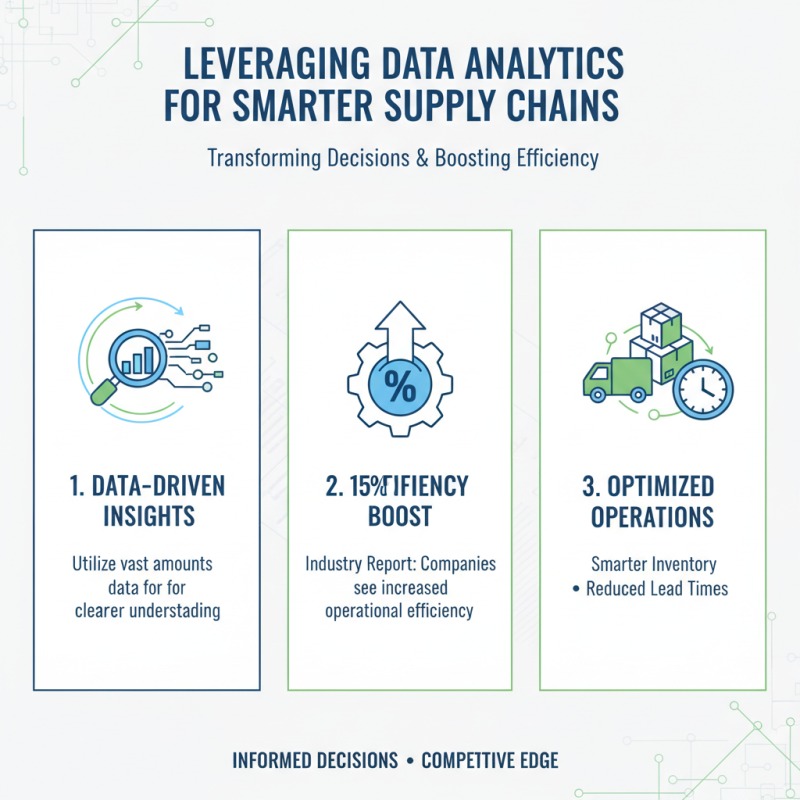
Inventory management is another hurdle many businesses face. Overstocks lead to increased holding costs, while stockouts can disappoint customers. Organizations should focus on accurate demand forecasting. Utilizing data analytics can enhance this process by predicting trends and adjusting inventory levels accordingly. This helps in maintaining a balance that supports overall efficiency.
Lastly, adapting to sudden disruptions is critical for sustaining operations. Events like natural disasters or supply shortages can challenge even the most robust supply chains. A business can prepare by developing contingency plans. Regularly reviewing these plans ensures quick responses to unexpected changes. Recognizing these challenges is the first step toward optimizing supply chain efficiency.
Top 5 Supply Chain Solutions Tips to Optimize Your Business Efficiency
| Tip |
Description |
Impact on Efficiency |
Implementation Time |
| Adopt Advanced Analytics |
Utilize data analytics to forecast demand and optimize inventory management. |
High |
3-6 months |
| Enhance Supplier Collaboration |
Build stronger relationships with suppliers to improve communication and reliability. |
Medium |
1-3 months |
| Implement Automation |
Use automated systems for order processing and inventory tracking to reduce manual errors. |
High |
6-12 months |
| Diversify Logistics Options |
Explore multiple transportation options to mitigate risks and reduce costs. |
Medium |
2-4 months |
| Implement Lean Practices |
Streamline processes to eliminate waste and improve efficiency across the supply chain. |
High |
4-8 months |
Evaluating Technology Solutions for Enhanced Supply Chain Management
Evaluating technology solutions is crucial for enhancing supply chain management. According to a report by McKinsey, companies that implement advanced analytics in supply chain management see a 25% increase in efficiency. This statistic highlights the importance of leveraging technology to optimize operations. However, many businesses still struggle with data integration. Inconsistent data across platforms can lead to incorrect forecasting and decision-making.
Cloud-based solutions have proven effective for managing supply chains. Research from Gartner shows that 84% of supply chain professionals plan to switch to cloud technologies. These solutions allow for greater collaboration and real-time data access. Yet, businesses must address data security concerns. Failure to do so can result in significant risks to sensitive information.
Additionally, automation tools can streamline processes. According to a study by Deloitte, automation can reduce operational costs by up to 30%. While promising, vanishing jobs in traditional roles create discontent among employees. Businesses must strike a balance between efficiency and workforce stability. Innovating supply chain technology can enhance performance but requires thoughtful implementation.
Implementing Best Practices in Inventory Management
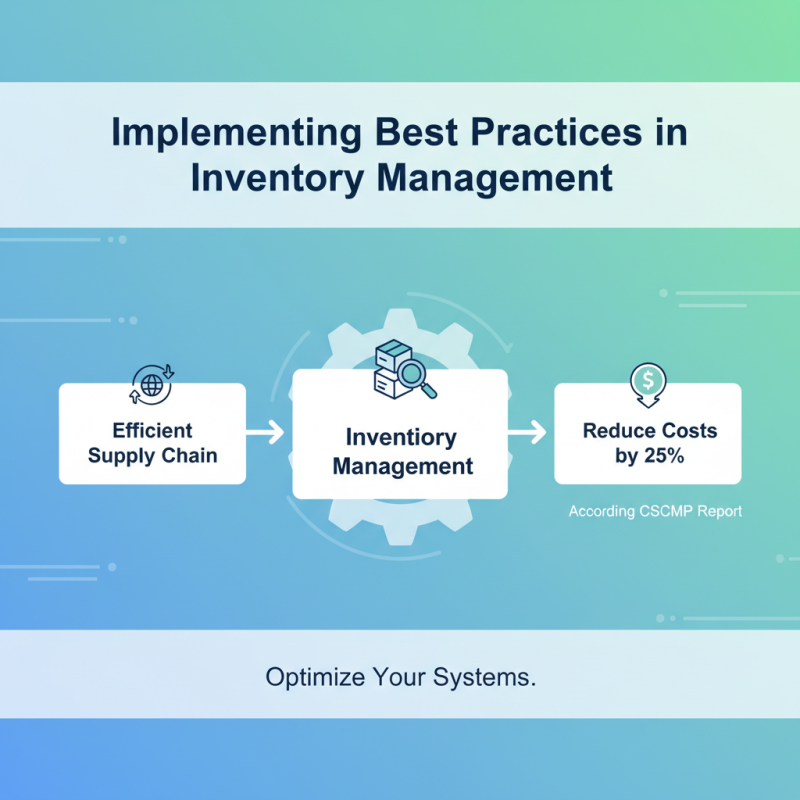
Effective inventory management is a cornerstone of efficient supply chain solutions. According to a report from the Council of Supply Chain Management Professionals (CSCMP), companies strategically optimizing their inventory systems can reduce costs by as much as 25%. This statistic underlines the importance of applying best practices.
Implementing real-time tracking systems enhances inventory visibility. A study by the Aberdeen Group found that businesses using such systems reported a 10-15% reduction in stockouts. However, achieving this requires attention. Many organizations struggle with data integration across platforms. This disconnect can lead to inaccuracies in stock levels.
Analyzing inventory turnover can also provide critical insights. Research from the Inventory Management Institute indicates that high turnover rates correlate with stronger profitability. Yet, many firms overlook this metric. Understanding how often inventory is sold and replaced allows for smarter purchasing strategies. Therefore, regularly reviewing turnover rates should be standard practice. The challenge lies in balancing inventory levels to avoid excess stock, which can lead to waste and increased holding costs.
Fostering Collaboration Among Supply Chain Partners for Success
Collaboration among supply chain partners is vital for enhancing business efficiency. Companies should focus on building strong relationships with their suppliers and distributors. Open communication fosters trust and transparency, which can lead to better decision-making. Regular meetings can help identify challenges early, allowing teams to address issues before they escalate.
Sharing data between partners can enhance visibility. When suppliers have access to real-time sales data, they can adjust their production schedules accordingly. This reduces waste and improves inventory management. However, not all companies are willing to share sensitive information. Balancing transparency with confidentiality is a challenge that requires careful navigation.
It's essential to create a collaborative culture within the supply chain. Engaging employees from all levels can generate new ideas. However, if team members feel neglected, they may hesitate to contribute. Regular feedback can help in understanding their perspectives. Encouraging input while addressing concerns will strengthen partnerships in the long run.
Top 5 Supply Chain Solutions Tips to Optimize Your Business Efficiency