Top Shipping Lines to Consider in 2026 What You Need to Know?
In the ever-evolving landscape of global commerce, the shipping line industry plays a crucial role. As we look towards 2026, understanding the key players is essential. Industry expert James Hargrove, a veteran in the shipping sector, once said, “Selecting the right shipping line can define your supply chain’s success.” This statement emphasizes the significant impact of choosing the right partner.
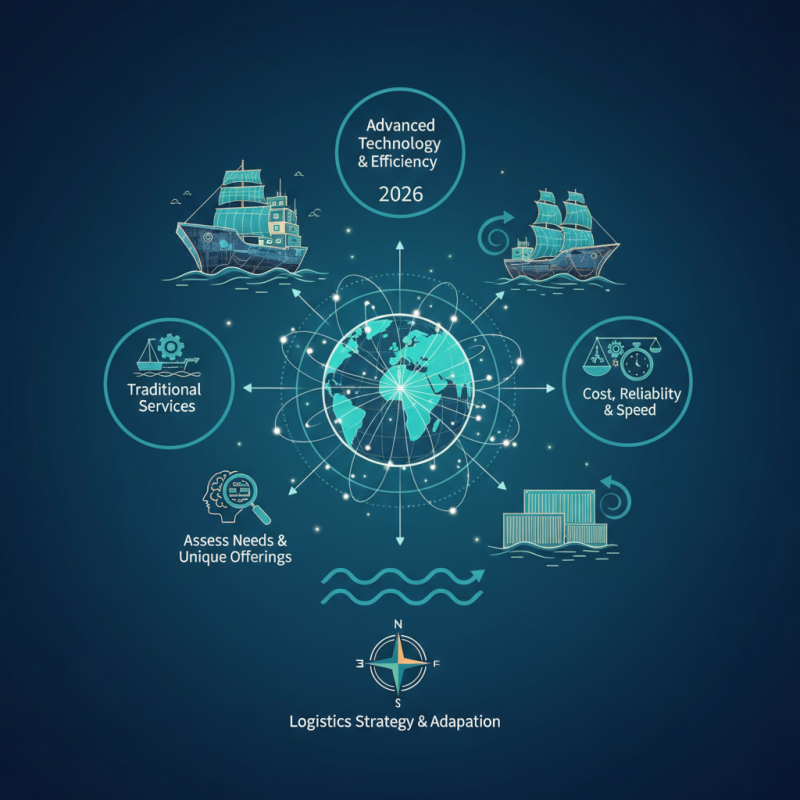
Analyzing the top shipping lines reveals varied strengths and weaknesses. Some companies boast advanced technology and enhanced efficiency. Others offer traditional services that may not adapt quickly. The challenge for businesses is to balance cost, reliability, and speed. Market fluctuations can alter the dynamics between different shipping lines. A good decision today may not be right tomorrow.
With many factors at play, shippers must remain discerning. The shipping line you choose will affect your overall logistics strategy. Not every shipping line is suited for every type of cargo or destination. It’s vital to assess your needs carefully and consider the unique offerings of each player. This demands a level of reflection and adjustment as you navigate this complex field.
Key Factors Influencing Shipping Line Selection in 2026
When choosing a shipping line in 2026, several key factors come into play. **Cost efficiency** is critical. According to industry reports, transportation costs are projected to rise by 4% annually. Companies must understand their budget constraints and expected shipping volumes. Price is not everything, yet it has a significant impact on decisions.
**Sustainability** is another major influence. Many organizations now prioritize green shipping practices. Reports indicate that **over 70%** of consumers prefer environmentally friendly options. This shift is pushing shipping lines to adopt cleaner fuels and better technologies. Companies need to assess the environmental impact of their choices.
**Technology and tracking capabilities** also shape selection. Advanced tracking systems provide real-time updates, enhancing supply chain transparency. A study found that nearly **60%** of businesses value digital tools in their logistics operations. However, some lines still lag in adopting necessary technologies. This presents an opportunity for improvement and innovation. Hence, evaluating technological capabilities is vital for effective shipping strategy formulation.
Innovations and Technologies Shaping the Future of Shipping
The shipping industry is evolving rapidly, driven by innovations and new technologies. Automation is transforming shipping processes. Autonomous vessels are being tested in various regions. These ships aim to reduce human error. However, safety remains a significant concern. The complexity of programming these vessels can lead to unexpected challenges.
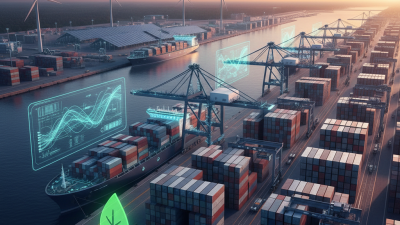
Digitalization plays a pivotal role in this transformation. Big data analytics helps optimize routes and improve efficiency. Blockchain technology enhances transparency in the supply chain. Yet, many companies struggle to implement these advancements effectively. They need to invest in training their workforce to manage new systems.
Sustainability is a growing focus as well. Many shipping lines are exploring greener fuels and energy-efficient designs. However, the transition is slow. Regulatory pressures and high costs make it difficult to adapt. Companies must weigh the long-term benefits against immediate financial impacts. Embracing these innovations can potentially lead to a more resilient shipping future.
Top Shipping Lines to Consider in 2026
| Rank |
Fleet Size |
Annual TEU Capacity |
Innovations |
Sustainability Initiatives |
| 1 |
500 Vessels |
15 Million TEU |
AI Route Optimization |
Carbon Neutral by 2030 |
| 2 |
400 Vessels |
12 Million TEU |
Blockchain for Logistics |
Waste Reduction Programs |
| 3 |
300 Vessels |
10 Million TEU |
Autonomous Shipping |
Green Fuel Research |
| 4 |
600 Vessels |
20 Million TEU |
Digital Twin Technology |
Biodiversity Initiatives |
| 5 |
350 Vessels |
8 Million TEU |
IoT Sensors for Efficiency |
Energy Recovery Systems |
Market Trends and Challenges Facing Shipping Lines in 2026
In 2026, the shipping industry will face unique challenges. Global shipping routes are changing due to geopolitical tensions. Ports may become congested, complicating logistics. Many shipping lines will need to adapt quickly. Innovations in technology might help streamline operations, but they require significant investment.
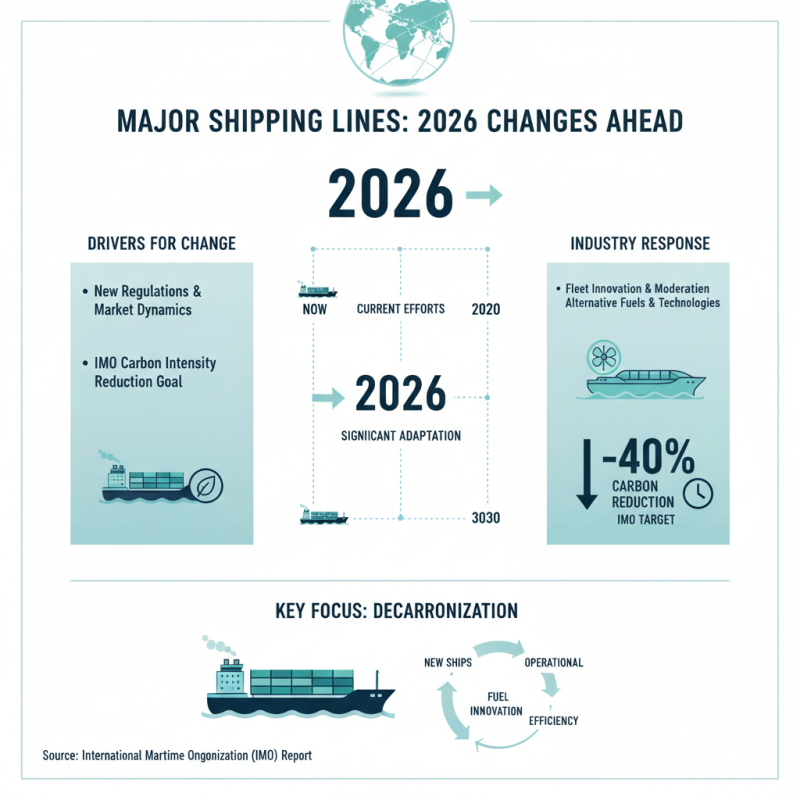
Environmental regulations are becoming stricter. Shipping lines must comply with new emission standards. This shift could lead to increased operational costs. Some companies might struggle to keep up, especially smaller players. The focus on sustainability could lead to a competitive edge for adaptable firms. However, not all shipping lines will succeed.
Customer expectations are evolving too. Shippers want faster delivery and transparency. This demand will challenge many logistics operations. Companies must rethink their strategies. Adapting to these market trends will not be easy. Embracing new technologies and refining shipping processes will be crucial. The landscape is shifting, and only the most resilient will thrive.
Sustainability and Environmental Initiatives in Shipping Industry
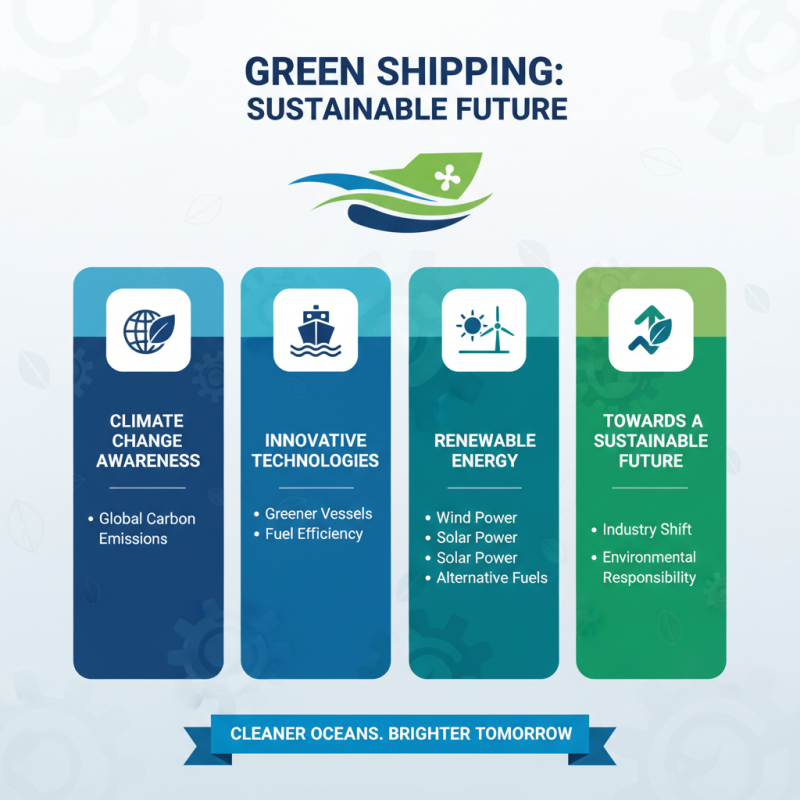
The shipping industry is undergoing significant changes, focusing more on sustainability and environmental initiatives. As global awareness of climate change grows, shipping lines aim to reduce carbon emissions. These lines are investing in innovative technologies to create greener vessels. Renewable energy sources, such as wind and solar, are becoming increasingly popular. This shift is vital for a more sustainable future.
Tips: Consider supporting shipping companies that prioritize environmental practices. Look for those adopting green technologies. Every small action counts towards a healthier planet.
Many companies are evaluating their supply chains. They are exploring ways to reduce waste and improve efficiency. However, some face challenges in balancing cost and sustainability. Transitioning to greener practices can be expensive. Not all companies have the resources to invest heavily.
Tips: Stay informed about shipping practices in 2026. Research trends in eco-friendly shipping. Your choices can influence industry standards.