2026 Top Shipping Line Trends to Watch for in the Maritime Industry?
The maritime industry is evolving rapidly, and shipping lines are at the forefront of this change. In 2026, we anticipate significant trends that will reshape how shipping lines operate. These trends highlight new technologies, sustainability efforts, and shifting consumer demands. Each factor will play a vital role in determining the success of shipping lines.
One key aspect is the integration of advanced technologies. Automation, data analytics, and digital platforms are becoming essential for efficient operations. Yet, the adoption of these technologies is not without its challenges. Many shipping lines struggle to keep pace with the rapid advancements. They must invest time and resources to stay competitive.
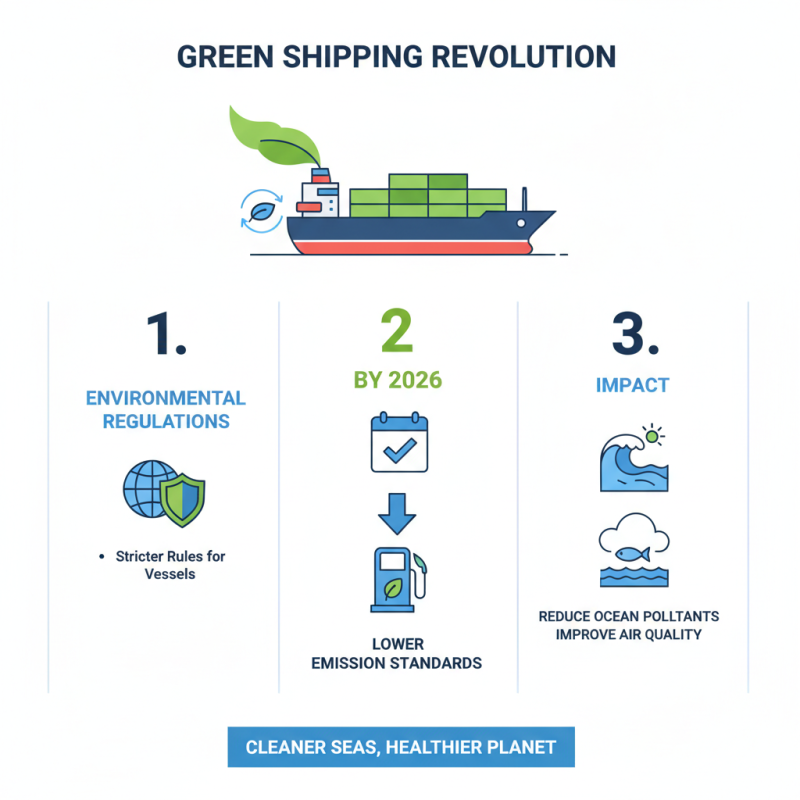
Sustainability is also a critical focus for shipping lines. Environmental regulations are tightening, pushing companies to adopt greener practices. However, there are hurdles to overcome. Balancing costs while transitioning to eco-friendly solutions can be daunting. Shipping lines must reflect on their strategies and ensure they align with global goals. The maritime industry is at a crossroads, and the choices made today will shape its future.
Emerging Trends in Autonomous Shipping Technology for 2026
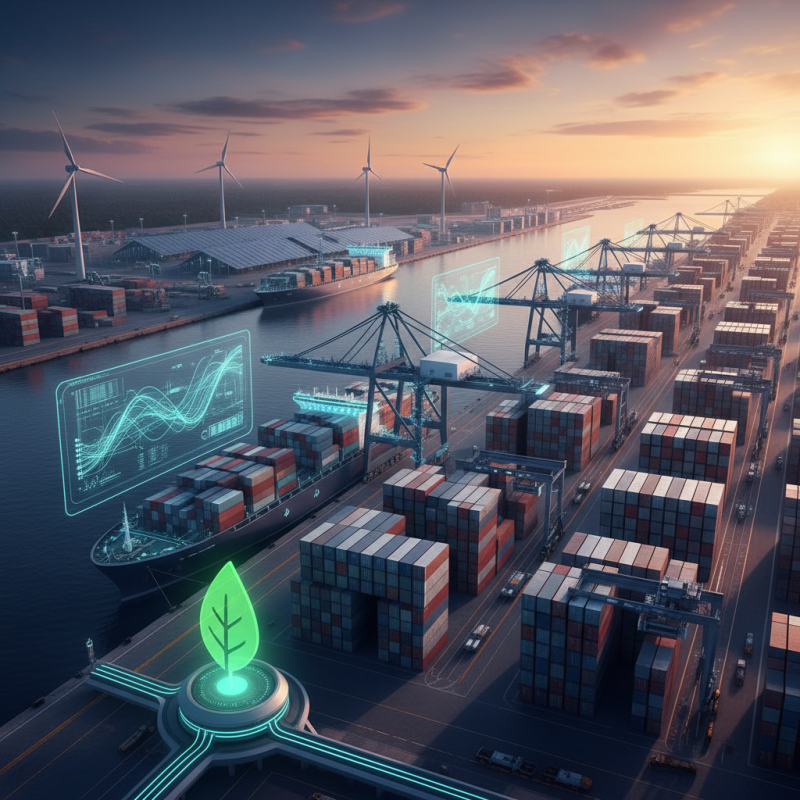
The rise of autonomous shipping technology in 2026 is notable. This innovation promises to reshape the maritime industry significantly. Efforts are focused on improving efficiency and safety. With advanced algorithms, ships can navigate with minimal human intervention. They rely on sensors and AI for critical decisions. This saves time and operational costs.
However, challenges exist. Reliability remains a concern. Technical glitches can disrupt operations. There's also a need for robust cybersecurity measures. Hackers could exploit vulnerabilities in autonomous systems. Addressing these issues requires ongoing research and development.
Moreover, the human element cannot be ignored. Job displacement is a potential consequence of automation. Maritime workers may need retraining to adapt to new roles. Adjusting to these changes is essential for a smoother transition. Balancing technology and workforce needs will be crucial in the coming years. The maritime industry stands at a crossroads, where innovation and tradition must coexist.
2026 Emerging Trends in Autonomous Shipping Technology
Market Adaptations: E-commerce Growth and Its Effect on Shipping Lines
The rise of e-commerce has reshaped the maritime industry significantly.
Today, more consumers shop online than ever before. This surge makes shipping lines rethink their logistics and delivery timelines.
They must adapt quickly to keep up with fast customer expectations. Inventory management has become crucial for shipping efficiency.
Companies that cannot respond will fall behind.
Port operations are also being affected. Increased cargo volume creates congestion.
Shipping lines need innovative solutions to manage this situation.
Some ports are investing in technology to streamline processes.
However, not everyone is keeping pace with these changes. Many traditional methods still linger, causing delays and frustration.
The need for flexibility in shipping routes is growing. As demand fluctuates, shipping lines must remain agile.
Some routes may see increased traffic while others diminish. Adapting to these trends can be challenging.
Failure to address evolving consumer habits may hinder long-term success.
The maritime industry is at a crossroads, facing a mix of opportunities and obstacles.
The Role of Digitalization and Blockchain in Maritime Industry Efficiency
Digitalization and blockchain are reshaping the maritime industry. According to recent insights, nearly 70% of shipping firms are investing in digital solutions. This shift seeks to enhance operational efficiency and transparency. Digital tools can streamline shipping processes, reduce delays, and lower operational costs. For instance, automated systems can process cargo data instantly, cutting down paperwork.
Blockchain technology introduces a secure and transparent way to handle transactions. It reduces fraud and provides a digital trail for cargo movements. Reports indicate that implementing blockchain in shipping can cut administrative costs by up to 30%. However, the transition is not without challenges. Many companies struggle with integration. Old systems and traditional practices often resist modernization.
The adoption rate varies significantly among companies. Some are quick to embrace these technologies; others lag behind. As the industry moves towards 2026, it is clear that efficiency depends on these innovations. The road ahead is filled with hurdles. Addressing digital literacy and infrastructure gaps remains critical for success.
Forecasting Container Shipping Demand Based on Global Trade Patterns
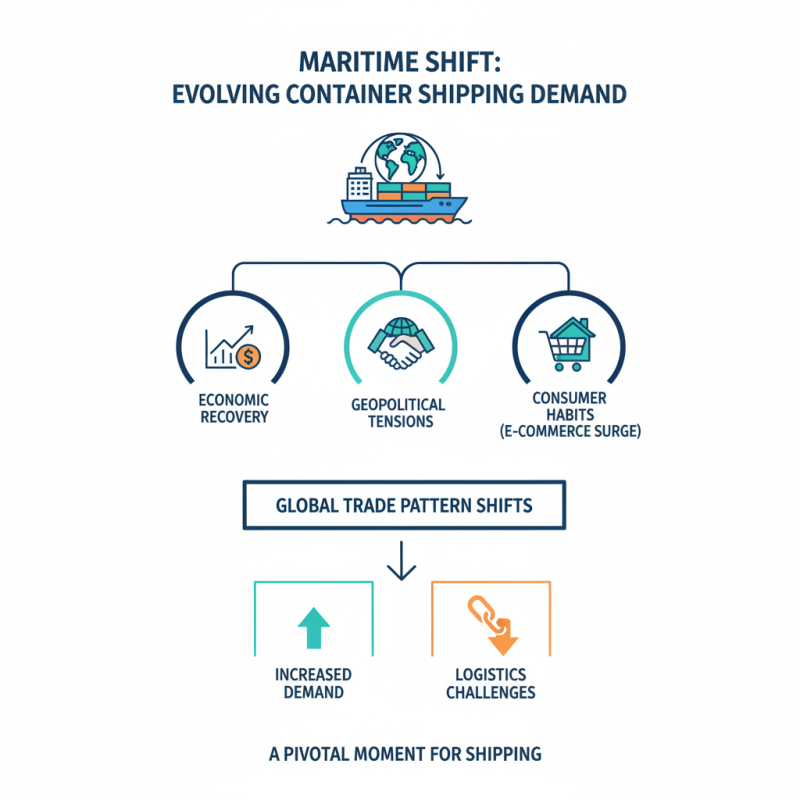
The maritime industry is facing a pivotal moment as container shipping demand evolves. Global trade patterns shift, impacting shipping logistics significantly. Key factors such as economic recovery, geopolitical tensions, and changing consumer habits play crucial roles. For instance, the increase in e-commerce has led to higher demand for container shipping. However, this surge is not without challenges.
Supply chain disruptions and fluctuating fuel prices create uncertainty. Shipping lines need to remain agile. They must adapt their strategies to respond to market changes. This can lead to feelings of anxiety within the industry. Awareness of these trends is necessary, yet many stakeholders struggle to keep pace. The need for sustainability is evident, but implementing eco-friendly practices adds complexity.
Effective forecasting relies on understanding these dynamics. Analyzing trade data helps stakeholders plan better. Accurate predictions are essential for optimizing capacity and reducing costs. Yet, there are gaps in data availability that hinder precise forecasting. With shifting trade routes, shipping lines must reassess their networks regularly. Continuous reflection on these practices is vital for long-term growth and stability in the maritime sector.