Top 10 Ocean Freight Logistics Tips for Global Buyers?
In the ever-evolving world of ocean freight logistics, efficiency is key for global buyers. According to the International Maritime Organization, ocean freight accounts for over 90% of international trade. This statistic highlights how critical shipping efficiency is to business success. Industry expert Dr. Emily Carter emphasizes, “Navigating ocean freight logistics requires a keen understanding of both global trends and local nuances.”
Issues in ocean freight logistics can disrupt supply chains. For instance, fluctuating fuel prices and port congestions affect shipping timelines and costs. Buyers need to adapt to these challenges to maintain their competitive edge. Research by Xeneta indicates that freight rates can vary significantly, often leading to unexpected expenses for businesses that are not prepared.
Finding reliable partners and technology is essential for success. Digital tools can streamline operations, but reliance on them can mislead if not properly validated. Mistakes in ocean freight logistics can be costly, underlining the importance of experience and continual learning. Understanding the complexities of this field can transform potential pitfalls into opportunities for improvement in global trade.
Understanding Ocean Freight: Key Terminologies for Global Buyers
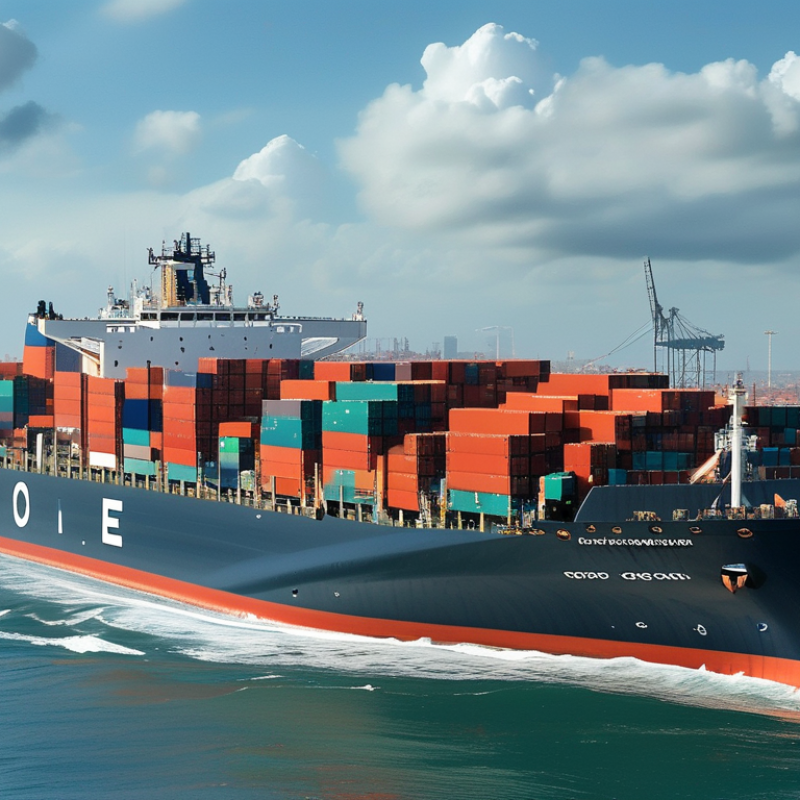
Understanding ocean freight is crucial for global buyers. Familiarizing yourself with key terminologies can streamline logistics processes and enhance efficiency. Common terms such as "FOB" (Free On Board) and "CIF" (Cost, Insurance, and Freight) play essential roles in shipping agreements.
According to a report by the International Maritime Organization, the global shipping industry faced a 12% increase in freight costs due to demand and supply chain disruptions over the last year. Understanding these terms can help buyers navigate negotiations effectively.
Tip: Evaluate your shipping terms carefully. Choosing the right agreement can save costs and mitigate risks.
The International Chamber of Shipping highlights that proper knowledge of "Demurrage" can prevent unexpected delays and charges during shipping. This term refers to penalties for exceeding free time in loading or unloading a vessel.
Recognizing the importance of "Bill of Lading" is also vital. This document serves as a receipt and contract between the shipper and carrier. In 2022, 45% of disputes in shipping were linked to incomplete or incorrect Bills of Lading. Buyers should ensure this document is accurate and thoroughly understood. Misinterpretations can lead to serious delays and extra fees.
Choosing the Right Shipping Method: Full Container Load vs. Less Than Container Load
Choosing the right shipping method is crucial for global buyers. When deciding between Full Container Load (FCL) and Less Than Container Load (LCL), consider your specific needs. FCL provides a whole container for your goods, which can be cost-effective for large shipments. You have full control over the space. However, it requires a significant upfront investment.
On the other hand, LCL is suitable for smaller shipments. You share container space, making it financially viable for limited loads. However, transit times may be longer due to consolidation processes. For example, if you only need to ship a few pallets, LCL could save money. But, delays in containers could affect your delivery schedule. It’s essential to weigh the benefits and drawbacks based on your logistical needs.
Many buyers face uncertainty when choosing. Misestimating shipment size can lead to increased costs or delays. Sometimes, opting for FCL without considering actual needs can waste resources. Alternatively, relying solely on LCL may complicate logistics during peak seasons. The choice is complex, and understanding both options is essential for smooth operations.
Assessing Freight Rates: Factors Influencing Costs in Ocean Transportation
Understanding the factors influencing freight rates is crucial for global buyers. Ocean transportation costs fluctuate widely based on several key variables. According to the World Bank, freight rates can vary by as much as 25% depending on shipping route, time of year, and market conditions.
Fuel prices represent a significant portion of ocean freight costs. The International Maritime Organization reports that fuel can account for up to 40% of shipping expenses. Any sudden spike in crude oil prices can directly affect shipping rates. Additionally, port congestion impacts costs as well. If ports experience delays, shipping lines may impose higher fees to offset lost time.
Moreover, cargo demand plays a critical role. As noted in recent reports by Alphaliner, demand for containers surged by 10% in 2023, pushing rates higher. Buyers must remain adaptable in this volatile environment. Negotiating rates based on these factors can create significant savings. However, understanding how to evaluate these variables can be daunting for many buyers, leading to potential oversights. It is essential to analyze current market trends and prepare for unexpected changes.
Managing Transit Times: Importance of Shipping Schedules and Delays
Managing shipping schedules and delays is crucial for global buyers. Each delay impacts the entire supply chain. Knowing the expected transit times helps businesses plan ahead. A well-organized shipping schedule allows buyers to manage inventory effectively. It also minimizes unforeseen disruptions in their operations.
Remember, delays often occur due to port congestion and customs issues. These factors can significantly alter transit times. Being aware of these risks can help buyers adapt their plans. Regular communication with logistics partners is essential. It ensures timely updates on any changes. Having contingency plans in place can mitigate potential setbacks.
Additionally, understanding seasonal trends and demand fluctuations is vital. Shipping during peak seasons can be challenging. Capacity issues often arise, leading to further delays. Buyers may face unexpected costs if they are not prepared. Staying informed and flexible will enable businesses to navigate the complexities of ocean freight. This proactive approach can ultimately ensure smoother operations and better customer satisfaction.
Customs Compliance: Ensuring Regulatory Requirements for Smooth Clearance
Customs compliance is crucial for global buyers involved in ocean freight logistics. Understanding regulatory requirements can prevent costly delays. A single paperwork error can prolong clearance processes, leading to significant expenses. It's essential to familiarize yourself with the specific rules of each destination country. This knowledge will help avoid unexpected roadblocks.
One vital tip is to maintain accurate documentation. Ensure all invoices match the products being shipped. Mismatched information raises red flags during inspections. Another important aspect is to work closely with your customs broker. Their expertise in local regulations can streamline the clearance process. Regular communication ensures you stay updated on any changes in compliance laws.
Implementing an effective tracking system can always help. Use technology to monitor shipments and compliance statuses in real-time. If issues arise, addressing them quickly is key. Embrace flexibility in your logistics plans. Sometimes, unexpected challenges demand immediate adjustments. By prioritizing customs compliance, you pave the way for smoother operations and a more efficient supply chain.
Top 10 Ocean Freight Logistics Tips for Global Buyers