Contact Us 440-356-5353

Top 10 Logistics Solutions for Efficient Supply Chain Management?

In today's fast-paced business environment, efficient supply chain management is crucial. Companies strive to enhance their performance and reduce costs. One of the key elements in achieving these goals is identifying effective logistics solutions. With the right strategies, businesses can streamline operations and improve responsiveness.

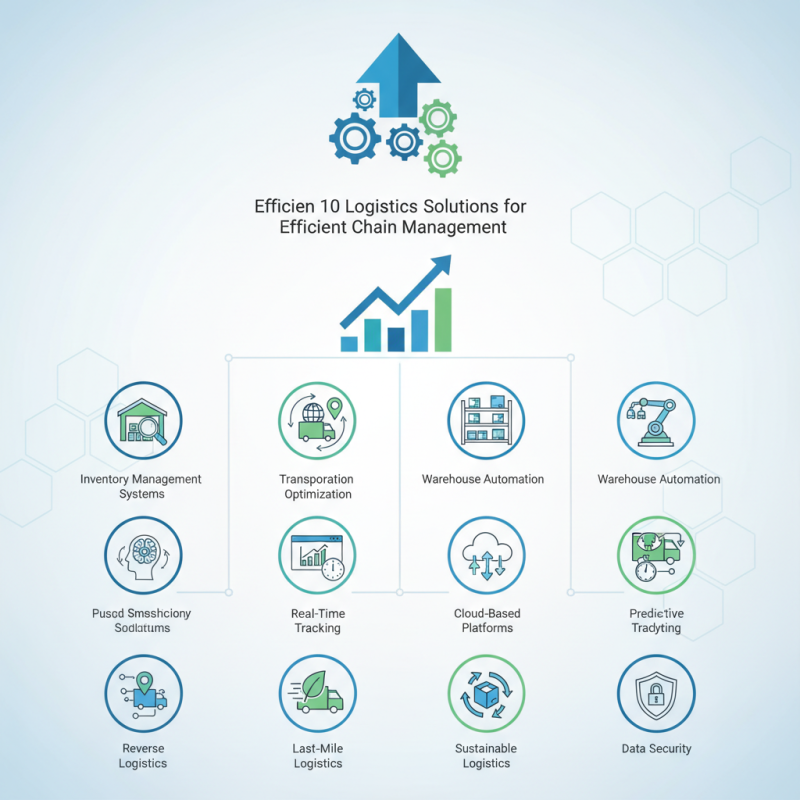
Logistics solutions encompass various methods and technologies that facilitate the movement of goods. These include inventory management systems, transportation optimization, and warehouse automation. Many companies still rely on outdated practices, leading to inefficiencies. Addressing these challenges is essential for growth and competitiveness.

Moreover, adopting modern logistics solutions can lead to significant improvements. However, finding the right system can be daunting. Organizations must evaluate their unique needs and assess available options thoroughly. Striking the right balance between cost and service can often be tricky. Understanding these dynamics is crucial for any business aiming to succeed in the supply chain landscape.
Top 10 Logistics Solutions for Efficient Supply Chain Management?

Understanding the Importance of Logistics Solutions in Supply Chain Management

Logistics solutions are essential for efficient supply chain management. A recent report indicates that 79% of companies with superior supply chain performance achieve a competitive advantage. Efficient logistics can reduce costs significantly, with organizations reporting savings of up to 15%. This efficiency is essential in today's fast-paced market.

Transportation management systems (TMS) are important. They increase visibility and optimize routes. However, many companies still struggle to fully integrate these systems. According to a study, 54% of businesses face challenges in adopting advanced logistics solutions. This gap can hinder overall supply chain agility. Ensuring real-time data access can mitigate these issues.

Inventory management is another critical area. Effective solutions help balance supply and demand. Yet, 43% of businesses report difficulties due to poor inventory visibility. Investing in automated inventory systems can address this challenge. Companies often overlook the long-term value of such investments. Strengthening logistics solutions is not just about technology but also requires a cultural shift.

Top 10 Logistics Solutions for Efficient Supply Chain Management

Logistics Solution Key Features Benefits Industries Served
Transportation Management System (TMS) Route optimization, freight auditing, carrier management Cost reduction, improved delivery times Retail, manufacturing, e-commerce
Warehouse Management System (WMS) Inventory tracking, order fulfillment, space optimization Increased efficiency, better inventory control Warehousing, distribution, logistics
Supply Chain Visibility Solutions Real-time tracking, analytics dashboards Enhanced decision-making, proactive issue resolution All industries
Inventory Management Software Forecasting, replenishment, reporting Reduced stockouts, optimized inventory levels Retail, wholesale, manufacturing
Last Mile Delivery Solutions Route optimization, delivery tracking Improved customer satisfaction, reduced costs E-commerce, food delivery
Freight Management Solutions Freight quote management, tracking Streamlined operations, cost visibility Manufacturing, e-commerce, logistics
Demand Planning Software Sales forecasting, inventory optimization Improved planning accuracy, reduced waste Retail, distribution, manufacturing
Customs and Compliance Solutions Regulatory compliance checks, documentation management Reduced fines, smoother import/export processes International trade, manufacturing
Cold Chain Logistics Solutions Temperature monitoring, rapid response Quality preservation, regulatory compliance Pharmaceuticals, food production
Integrated Logistics Solutions End-to-end supply chain management, cross-functional collaboration Comprehensive visibility, optimized processes All industries

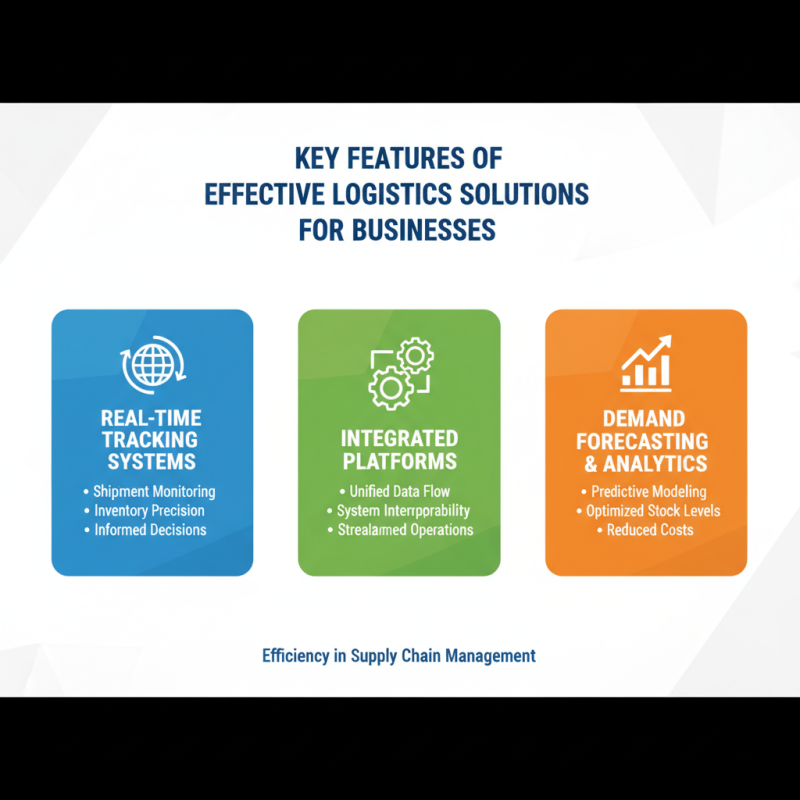
Key Features of Effective Logistics Solutions for Businesses

Top 10 Logistics Solutions for Efficient Supply Chain Management?

Effective logistics solutions are essential for businesses striving for efficiency in supply chain management. Key features can greatly influence operational success. Real-time tracking systems offer visibility. They help in monitoring shipments and managing inventory with precision. This aids in making informed decisions quickly.

Another critical feature is automation. Automating routine tasks reduces errors and enhances speed. Businesses can streamline processes like order processing and shipping. However, this transition can be challenging. Personnel might resist changes, leading to initial disruptions. Adapting to new technologies requires patience and training.

Here are some tips for implementing logistics solutions effectively. Analyze your specific needs before choosing a system. Not all solutions fit every business. Collaborate with teams to understand workflows better. Encourage feedback to identify areas of improvement. Lastly, ensure your logistics partner shares your vision. A misalignment can hinder progress. Remember, the goal is to create a seamless process that optimizes time and resources.

Top Logistics Technologies Enhancing Supply Chain Efficiency

The logistics landscape is rapidly evolving. Advanced technologies are reshaping supply chains. According to a recent report from the Global Supply Chain Institute, 79% of companies use digital solutions to enhance efficiency.

Automation and data analytics are game changers. Automated warehouses can process orders 50% faster than traditional systems. Real-time data analytics allow businesses to track inventory levels accurately. However, implementing these systems can be costly and complex. Some companies struggle with data integration. In fact, 30% of firms cite data silos as a major hurdle.

Emerging technologies like AI and IoT are also vital. AI helps in demand forecasting, improving accuracy by up to 30%. IoT devices monitor equipment and inventory in real-time. Despite their benefits, many firms face challenges in adopting these technologies. A study showed 50% of organizations are unsure about the right tools. This leaves room for reflection and growth in their supply chain strategies.

Top 10 Logistics Solutions for Efficient Supply Chain Management

This bar chart illustrates the efficiency improvements gained from implementing various logistics solutions in supply chain management. The data reflects the percentage gains obtained by different technologies that enhance operational efficiency.

Comparative Analysis of Leading Logistics Service Providers

In today's global economy, effective logistics solutions are essential for supply chain management. Leading providers strive to optimize their services. However, not all solutions fit every business's unique needs. Analyzing various providers reveals different strengths and weaknesses.

Some companies specialize in last-mile delivery. They focus on speed and efficiency, yet may struggle with flexibly handling unexpected demands. Others excel in inventory management but could lack in customer service quality. Each provider has its own technology, which often leads to mixed results in real-world applications.

Logistics solutions should adapt to changing market needs. The demands of e-commerce are different from traditional retail. Providers must balance cost and quality. This requires constant evaluation and adjustment. Embracing challenges can lead to more innovative approaches. It’s crucial to reflect on what works and what doesn’t often.

Future Trends in Logistics Solutions and Supply Chain Management

The logistics sector is rapidly evolving. Companies are increasingly focusing on technology to enhance supply chain efficiency. Automation and AI are now pivotal in streamlining operations. Real-time data analysis can predict demand and optimize inventory levels. However, many organizations struggle with data integration across various platforms.

Sustainability is another growing trend. More companies are looking for eco-friendly solutions to reduce carbon footprints. The shift towards electric vehicles and optimized routing is promising but still has hurdles to overcome. Implementing green solutions often requires significant investment. Not all companies are ready to take that leap.

Lastly, the rise of e-commerce is changing logistics drastically. Consumers expect faster delivery, pushing companies to rethink their strategies. While many are adopting last-mile delivery solutions, challenges remain in terms of workforce management. Finding the right balance between efficiency and customer satisfaction is an ongoing dilemma.