Top Shipping and Logistics Trends Transforming Global Supply Chains
The landscape of global supply chains is undergoing a transformative shift, driven by emerging trends in shipping and logistics that are redefining operational efficiencies and sustainability benchmarks. According to a recent report by the Council of Supply Chain Management Professionals (CSCMP), approximately 79% of organizations are actively integrating digital technologies to enhance supply chain performance. This shift is not just a response to market demands but is also a proactive measure to ensure resilience in the face of unforeseen disruptions, such as those witnessed during the COVID-19 pandemic.
Experts like Dr. Jane Smith, a leading authority in supply chain management, emphasize that "the evolution in shipping and logistics is no longer a choice but a necessity for businesses aiming to thrive in a competitive market." Her insights underline the fundamental changes prompted by advancements in automation, big data analytics, and eco-friendly practices. The logistics sector is not just adapting but is at the forefront of innovation, embracing technologies like AI and IoT to optimize routing, reduce costs, and minimize environmental footprints.
As the shipping and logistics industry continues to evolve, key trends such as increased transparency through blockchain and enhanced last-mile delivery strategies will further shape the framework of global supply chains. These developments signify a crucial move towards creating more agile and sustainable solutions that cater to the complex needs of consumers and businesses alike, reinforcing the importance of adaptability in an ever-changing global marketplace.

Emergence of Automation in Shipping and Logistics Operations
The emergence of automation in shipping and logistics operations is revolutionizing the way global supply chains function. Automation technologies, including robotics and artificial intelligence, are streamlining processes traditionally reliant on manual labor. Automated guided vehicles and drones are now regularly used for transporting goods within warehouses, significantly reducing the time taken for order fulfillment. This shift not only enhances efficiency but also minimizes human error, which can lead to costly setbacks.
Moreover, the integration of AI in logistics analytics enables companies to predict demand and optimize routes more effectively. Real-time data processing allows for more adaptable operations, responding swiftly to changes in supply and demand dynamics. By utilizing machine learning algorithms, logistics providers can enhance inventory management and forecast trends, ensuring that resources are allocated more strategically. As a result, businesses can reduce operational costs and improve overall service delivery to their customers in an increasingly competitive market.
Top Shipping and Logistics Trends Transforming Global Supply Chains
This chart illustrates the increasing adoption of automation in shipping and logistics operations over the past five years, highlighting key trends in technology integration.
The Role of Data Analytics in Supply Chain Optimization
In the rapidly evolving landscape of global supply chains, data analytics has emerged as a pivotal force driving optimization and efficiency. According to a recent report from Gartner, companies utilizing advanced analytics capabilities can see up to a 20% increase in their supply chain profitability. By harnessing the power of big data, organizations can gain real-time visibility into their operations, enabling them to make informed decisions that enhance performance and reduce costs.
The role of predictive analytics is particularly significant in demand forecasting and inventory management. McKinsey & Company highlights that firms employing sophisticated predictive models can improve their inventory turnover rates by as much as 30%. This improvement is largely attributed to the ability to anticipate market demands accurately, thus minimizing excess stock and reducing holding costs. Furthermore, data-driven insights allow companies to identify potential supply chain disruptions ahead of time, providing them with the tools to proactively mitigate risks.
Moreover, machine learning algorithms are transforming logistical operations by optimizing routing and reducing transportation costs. According to the International Data Corporation (IDC), over 75% of supply chain professionals believe that implementing AI-driven analytics will improve their operational efficiency. As organizations increasingly turn to these technologies, we can expect a fundamental shift in how logistics are managed, paving the way for more agile and resilient supply chains in an unpredictable global market.
Sustainability Initiatives Impacting Global Logistics Practices
In recent years, sustainability initiatives have profoundly reshaped global logistics practices, prompting businesses to reconsider their operations and strategies. The growing awareness of climate change has led to increased pressure from consumers and regulators for companies to adopt more environmentally friendly practices. This shift has seen logistics providers implementing measures aimed at reducing their carbon footprint, such as optimizing transportation routes, investing in energy-efficient vehicles, and utilizing alternative fuels. By incorporating these sustainability-focused strategies, organizations not only comply with evolving regulations but also enhance their brand value and appeal to a more eco-conscious customer base.
Furthermore, the integration of technology plays a crucial role in driving these sustainability efforts within logistics. The use of advanced analytics, artificial intelligence, and blockchain technology facilitates improved supply chain transparency and efficiency. These innovations allow companies to track emissions throughout their logistics network, identify areas for improvement, and create more sustainable supply chain strategies.
As digital transformation continues to take hold, businesses are better positioned to implement circular economy principles, reducing waste and reusing materials wherever possible. This ongoing commitment to sustainability not only benefits the planet but also solidifies the foundation for future growth in an increasingly competitive global market.
Impact of E-commerce Growth on Shipping Strategies
The rapid growth of e-commerce has significantly transformed shipping strategies within global supply chains. As consumers increasingly prefer online shopping, logistics providers must adapt to meet rising demand for faster and more efficient delivery. According to a report by eMarketer, global e-commerce sales are projected to surpass $6.4 trillion by 2024, fueling an ongoing shift in logistics operations to accommodate these changes. Companies are focusing on optimizing their last-mile delivery solutions, which now account for approximately 53% of total shipping costs, as there is a compelling need for speed and convenience.
One effective approach to enhance shipping strategies is to implement advanced data analytics. By leveraging real-time tracking and analytics, businesses can improve inventory management and streamline routes, reducing transit times and costs. In fact, the Logistics Management report indicates that companies utilizing data-driven strategies can reduce operational costs by up to 20%. This not only improves customer satisfaction but also enhances overall supply chain efficiency.
Tips: Companies should consider exploring partnerships with local delivery services to bolster their last-mile capabilities. Implementing automated warehousing solutions can also facilitate quicker order fulfillment and help manage surges in demand efficiently. By focusing on these strategies, businesses can better navigate the complexities of e-commerce and ensure their supply chains remain robust and responsive.
Technological Innovations Shaping Future Supply Chain Dynamics
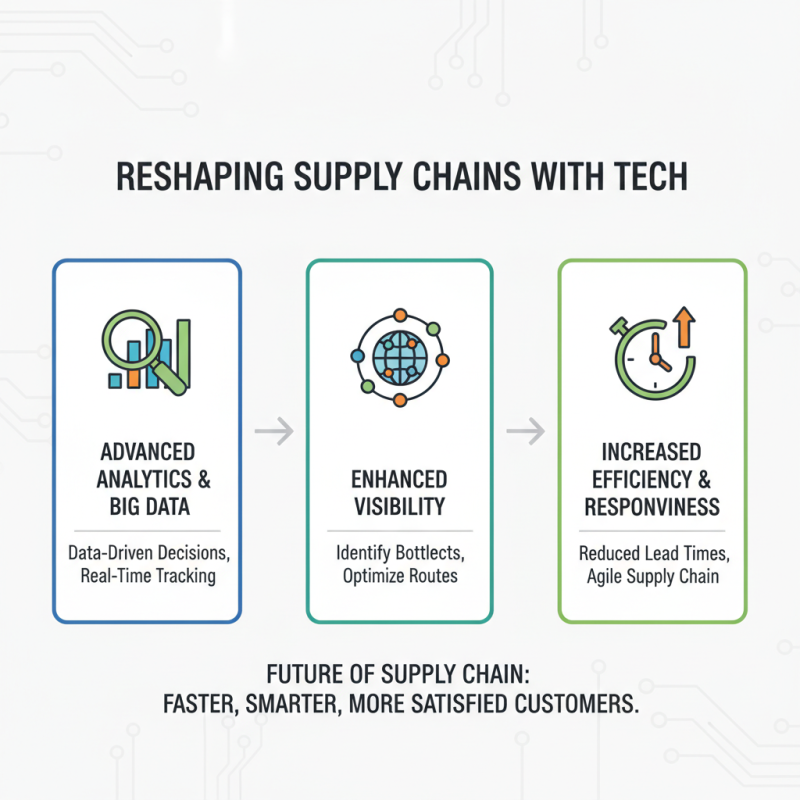
Technological innovations are at the forefront of reshaping future supply chain dynamics, leading to increased efficiency and responsiveness. Advanced analytics and big data are empowering companies to make data-driven decisions, allowing for real-time tracking and management of goods. This capability enhances visibility throughout the supply chain, enabling stakeholders to identify bottlenecks and optimize routes. As a result, organizations can significantly reduce lead times and improve customer satisfaction, fostering a more agile supply chain.
Moreover, the integration of automation and artificial intelligence is revolutionizing logistics operations. Robotics in warehouses enhances picking and packing processes, while AI algorithms can predict demand more accurately and streamline inventory management. This not only reduces operational costs but also minimizes human errors, ensuring smoother supply chain processes. Additionally, the rise of blockchain technology enhances transparency and security in transactions, allowing for trustworthy verification of goods and reducing fraud, which is crucial in today’s interconnected global markets. These technological trends are not merely augmenting existing practices but are fundamentally transforming how supply chains operate, driving continuous improvement and innovation.