Contact Us 440-356-5353

Top 10 Shipping and Logistics Trends Transforming Industry in 2023

As we navigate through 2023, the shipping and logistics industry stands at the forefront of innovation and transformation. With advancements in technology and changing consumer expectations, industry players are compelled to adapt to a rapidly evolving landscape. According to Dr. Emily Thompson, a leading expert in supply chain management, "The future of shipping and logistics will hinge on embracing digitization and sustainability, ensuring efficiency while meeting environmental goals." This insightful observation underlines the dual challenges confronting the industry: optimizing operations amidst rising demands and addressing climate change.

The dynamic shifts in shipping and logistics are not merely trends but essential developments that will shape the way goods are transported across the globe. As businesses become increasingly interconnected, the reliance on advanced technology, data analytics, and strategic partnerships becomes paramount. Moreover, the growing emphasis on sustainability is driving organizations to reevaluate their operational practices and seek greener alternatives, fostering an eco-friendly approach to logistics.

In this context, understanding the top ten trends transforming the shipping and logistics sector is crucial for stakeholders aiming to stay ahead of the curve. By identifying and adapting to these trends, companies can enhance their competitive edge, ultimately redefining the possibilities within the shipping and logistics landscape.

Top 10 Shipping and Logistics Trends Transforming Industry in 2023

Emergence of Automation and AI in Shipping Operations

Top 10 Shipping and Logistics Trends Transforming Industry in 2023

The shipping and logistics industry is witnessing a transformative shift as automation and artificial intelligence (AI) integrate into various operational processes. These technologies are enabling companies to enhance efficiency by streamlining tasks that traditionally required human intervention. Automated systems can manage inventory, track shipments, and predict demand patterns with greater accuracy, allowing businesses to respond swiftly to market fluctuations. This evolution not only optimizes the supply chain but also minimizes errors and reduces operational costs.

Moreover, AI is playing a pivotal role in analyzing vast amounts of data generated throughout the shipping process. By leveraging machine learning algorithms, companies can foresee potential disruptions and implement proactive measures to mitigate risks. Additionally, the use of AI in route optimization facilitates faster deliveries, ensuring that goods reach their destinations in a timely manner while reducing environmental impact through more efficient fuel consumption. As these technologies continue to advance, their adoption is set to redefine the logistics landscape, fostering a more agile and resilient industry.


Sustainability Initiatives Driving Eco-Friendly Logistics Practices

Sustainability is rapidly becoming a cornerstone of modern shipping and logistics, as industry leaders recognize the vital importance of eco-friendly practices. According to the 2022 Logistics Sustainability Report, 88% of logistics companies reported making significant investments in sustainable technologies and practices over the last year. As regulatory pressures and consumer demand for environmentally responsible operations grow, organizations are prioritizing initiatives that reduce carbon footprints. This trend is further highlighted by the fact that the global green logistics market is projected to reach $1.3 trillion by 2027, demonstrating a robust shift towards sustainability.

One of the most impactful areas within eco-friendly logistics is the transition to alternative fuels. A study from the International Energy Agency indicates that the shipping sector could cut greenhouse gas emissions by 20% to 30% if alternative fuel sources such as biofuels, hydrogen, and ammonia are adopted widely. Additionally, logistics companies are exploring innovative practices like route optimization and energy-efficient warehousing to minimize waste and enhance operational efficiency. These strategies not only help reduce emissions but also lead to cost savings, which are critical in a competitive market.

As technological advancements continue to unfold, integrating artificial intelligence and data analytics into supply chain management enables companies to evaluate their environmental impact with greater precision. By harnessing these tools, logistics firms are now better equipped to align their operational goals with sustainability efforts, effectively transforming the industry into a greener, more responsible framework.

Top 10 Shipping and Logistics Trends Transforming Industry in 2023 - Sustainability Initiatives Driving Eco-Friendly Logistics Practices

Trend Description Impact on Industry Sustainability Focus
Electric Vehicles Adoption of electric trucks and vans for transportation. Reduced carbon emissions from logistics operations. High
Smart Warehousing Use of automation and AI to improve warehouse efficiency. Lower operational costs and waste reduction. Medium
Blockchain Technology Enhancing transparency in supply chain through blockchain. Improved trust and reduced fraud. Medium
Sustainable Packaging Using recyclable materials for shipping packages. Reduced waste and environmental impact. High
Carbon Neutral Shipping Commitment to offset carbon emissions of transportation. Increased customer loyalty and brand value. High
Data-Driven Decision Making Leveraging big data for informed logistics strategies. Enhanced efficiency and cost savings. Low
Collaborative Logistics Sharing resources and logistics routes among companies. Reduced costs and environmental footprint. Medium
Emission Reduction Policies Government regulations focusing on reducing emissions. Forced adaptation towards greener practices. High
Last-Mile Delivery Innovations New methods to optimize delivery routes to consumers. Improved delivery speed and reduced emissions. Medium
Circular Economy Approach Focus on reusing and recycling materials in logistics. Sustainable resource management. High

Impact of E-commerce on Shipping Demand and Logistics Strategies

Top 10 Shipping and Logistics Trends Transforming Industry in 2023

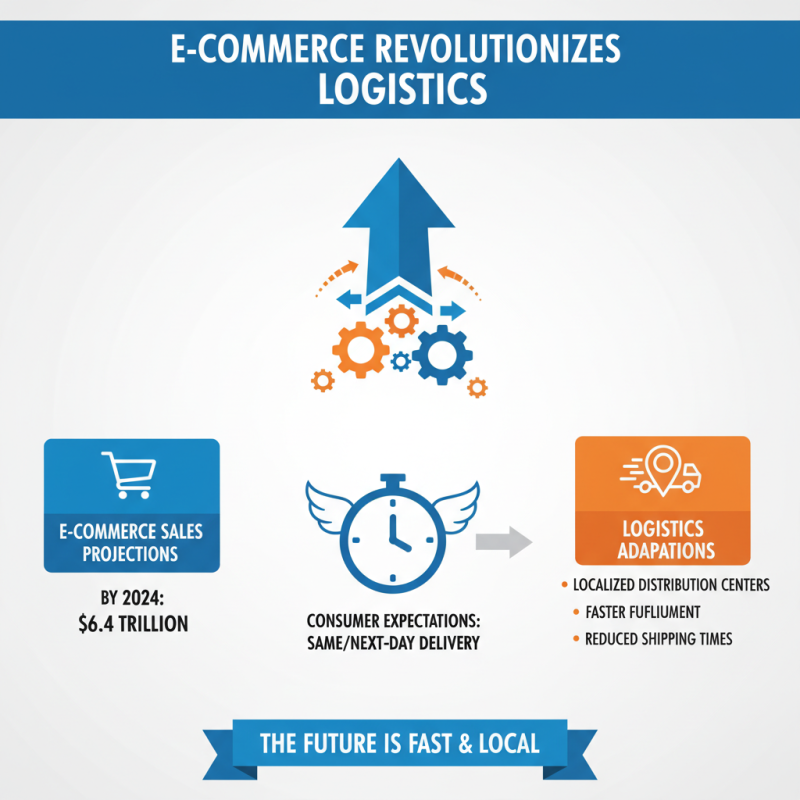
The rise of e-commerce has fundamentally altered the shipping and logistics landscape, with a significant increase in demand for fast and efficient delivery services. According to recent industry reports, e-commerce sales are projected to reach $6.4 trillion by 2024, underscoring the urgency for logistics providers to adapt. As consumers increasingly expect same-day or next-day delivery options, companies are being compelled to innovate their logistics strategies to meet these heightened expectations. The growth in e-commerce is driving a shift toward more localized distribution centers, allowing for quicker order fulfillment and reduced shipping times.

Moreover, the integration of advanced technologies such as artificial intelligence and machine learning is becoming essential in navigating the complexities of e-commerce logistics. A study by the International Data Corporation (IDC) forecasts that by 2023, over 30% of logistics companies will leverage AI to enhance their supply chain visibility and efficiency. These technologies enable better demand forecasting, optimizing routes, and improving inventory management, which are crucial for managing the increased shipping volume associated with online orders. As retailers embrace digital transformation, the evolution of logistics strategies must keep pace, ensuring they can not only meet consumer demands but also operate cost-effectively in a highly competitive market.

Integration of Blockchain Technology for Enhanced Supply Chain Transparency

The integration of blockchain technology has become a pivotal trend in the shipping and logistics industry, significantly enhancing supply chain transparency. According to a report by Allied Market Research, the global blockchain in logistics market is expected to reach $3.2 billion by 2025, growing at a CAGR of 48.37% from 2020 to 2025. This surge is primarily attributed to the increasing need for real-time tracking, reduced fraud, and streamlined operations, all of which blockchain can effectively address.

Blockchain's decentralized ledger system allows all stakeholders—including manufacturers, shippers, and retailers—to access a single source of truth. This transparency reduces the risk of disputes and enhances accountability. A study by the World Economic Forum highlights that improving transparency through blockchain can help companies save up to $30 billion annually in supply chain costs. With smart contracts, blockchain can automate processes, reducing delays and ensuring compliance with regulations.

Tip: To capitalize on blockchain’s potential, companies should invest in training their workforce about blockchain technology to ensure smooth implementation. Additionally, collaborating with logistics partners already adopting blockchain can facilitate a smoother transition.

As the industry continues to evolve, embracing blockchain will not only drive operational efficiencies but also foster greater trust among consumers. The emphasis on improving traceability and authenticity in the supply chain is crucial as customers increasingly seek assurance in the products they purchase.

Tip: Regularly assess your blockchain strategy to adapt to technological advancements and industry standards, ensuring you remain competitive in this rapidly changing landscape.

Utilization of Big Data for Predictive Analytics in Logistics Optimization

In 2023, the shipping and logistics industry is witnessing a transformative shift driven by the utilization of big data for predictive analytics. This trend is reshaping how companies optimize their supply chains, enabling them to anticipate demand fluctuations and streamline operations. According to a report by Gartner, organizations utilizing predictive analytics in logistics have improved their operational efficiency by up to 20%. By harnessing vast amounts of data from various sources, businesses can forecast future trends and make informed decisions, significantly reducing costs associated with inventory management and transportation.

Moreover, the ability to analyze real-time data allows logistics providers to enhance their route planning and delivery schedules. A study conducted by McKinsey & Company highlights that predictive analytics can reduce delivery times by approximately 15%, which not only increases customer satisfaction but also improves overall supply chain agility. Companies are increasingly adopting advanced algorithms and machine learning techniques to refine their logistics strategies, ultimately leading to a more efficient movement of goods. This focus on big data-driven decision-making is setting a new standard in the shipping and logistics sector, aligning with the industry's broader commitment to leveraging technology for enhanced service delivery.