2026 How to Optimize International Shipping for Your Business?
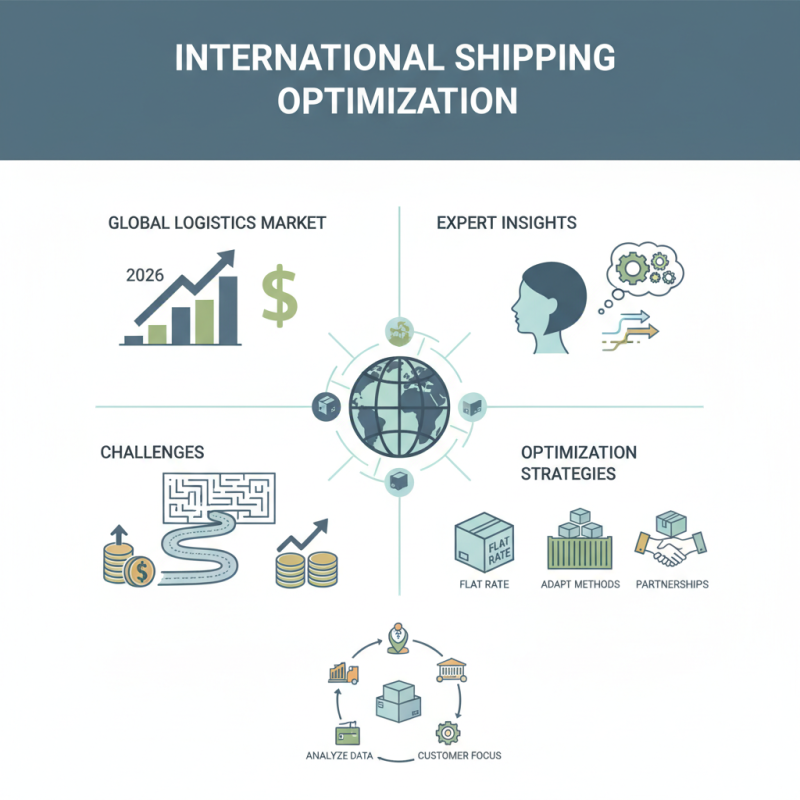
In today's global economy, optimizing international shipping is vital for business success. According to a report by Statista, the global logistics market is projected to reach $12 trillion by 2026. This growth highlights the importance of efficient shipping strategies. International shipping involves various challenges, such as rising costs and complex regulations. Businesses must navigate these hurdles to meet consumer expectations.
Industry expert Julia Menashe states, "Streamlining logistics is essential to thrive in international shipping." Her insights emphasize the need for businesses to adapt quickly. Companies should analyze their shipping data regularly to identify inefficiencies. For instance, minor changes in packaging or shipping methods can lead to substantial savings. However, many businesses overlook such optimization opportunities.
Flat rate shipping, consolidated shipments, and strategic partnerships are just a few methods to enhance efficiencies. Yet, businesses must continuously evaluate their shipping processes and tools. Without ongoing reflection, it's easy to fall behind in the competitive landscape of international shipping. Keeping pace with customer needs is critical.
Understanding the Importance of International Shipping in 2026
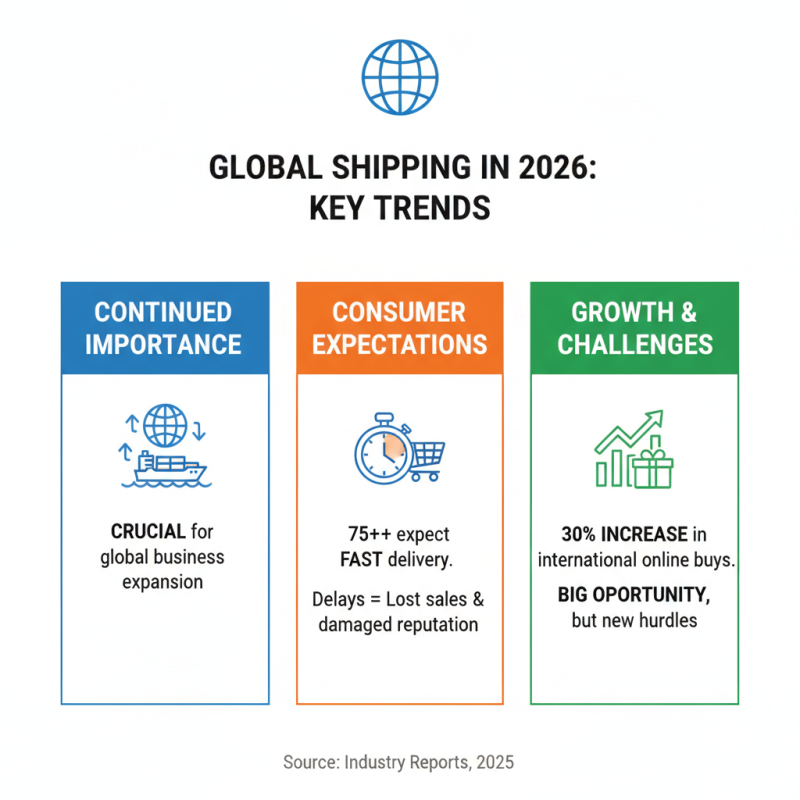
In 2026, international shipping remains crucial for businesses aiming to expand globally. As over 75% of consumers now expect fast delivery options, businesses must adapt. Delays can lead to lost sales and damaged reputations. According to industry reports, online purchases from international sellers increased by 30% last year. This growth highlights a significant opportunity, but it also raises challenges.
Tips: Streamline your shipping processes. Utilize software tools that can manage logistics efficiently. These tools can help track shipments and optimize routes. A clear communication channel with suppliers and customers can prevent confusion. Regularly assess your shipping rates; they impact competitiveness.
Despite advancements, many businesses struggle with high shipping costs. A recent survey revealed that 45% of companies cite shipping expenses as a primary concern. Finding the right balance between cost and speed is essential. Some businesses are exploring hybrid models to tackle this issue. Yet, not all attempts have succeeded. Take time to review what works for your audience and market.
Key Factors Influencing International Shipping Costs and Efficiency
International shipping costs and efficiency are critical for global business growth. According to recent industry reports, shipping costs account for approximately 10-20% of total international trade expenses. These expenses can vary significantly based on several key factors. For instance, fuel prices greatly influence shipping fees, with a fluctuation of just one dollar in fuel cost per barrel potentially raising shipping costs by up to 5%.
Another important element is the geographic distance between sender and receiver. Shipping goods from Asia to Europe can take twice as long as transporting within the same continent. Additionally, customs clearance procedures can cause delays and unexpected expenses. Data indicates that inefficient customs processes can add up to 48 hours to delivery times. Businesses often underestimate these costs, leading to budget overruns.
Moreover, packaging plays a vital role in shipping efficiency. The right packaging can minimize bulk and reduce costs. Poor packing leads to damage and increased returns, which directly impact profit margins. According to a survey, nearly 25% of companies experienced losses due to damaged goods while shipping. Reflecting on these aspects can help businesses refine their shipping strategies and enhance overall efficiency.
Utilizing Technology to Streamline International Shipping Processes
In today's global marketplace, technology is reshaping international shipping. Businesses can utilize various digital tools to enhance their shipping operations. Automated systems can reduce human error and improve efficiency. For instance, tracking software allows companies to monitor shipments in real time, keeping customers informed and satisfied.
However, some challenges persist. Implementing new technology can be costly and complex. Not all employees may easily adapt to these systems. This can lead to confusion and delays, which are problematic in shipping. Moreover, keeping up with evolving technology can be daunting. Is upgrading software frequently realistic for every business? Evaluating such needs can be imperative.
Integrating advanced logistics platforms is essential. These systems streamline communication between suppliers and clients. They can handle documentation, track inventory, and manage customs procedures effectively. Still, maintaining these systems requires ongoing training. Regular assessments of their effectiveness can highlight areas needing improvement. Embracing technology in international shipping is a journey, not a destination.
2026 How to Optimize International Shipping for Your Business?
| Shipping Method |
Average Delivery Time |
Cost per kg ($) |
Tracking Availability |
Customs Handling |
| Air Freight |
2-5 days |
6.50 |
Yes |
Included |
| Sea Freight |
15-30 days |
2.50 |
Yes |
Included |
| Express Courier |
1-3 days |
10.00 |
Yes |
Optional |
| Rail Freight |
10-20 days |
3.00 |
Yes |
Included |
| Road Freight |
5-10 days |
3.50 |
Yes |
Optional |
Strategies for Selecting Reliable International Shipping Partners
Selecting reliable international shipping partners is crucial for businesses. In 2020, 80% of companies reported that shipping issues affected their customer satisfaction. A great partner can enhance your logistics and improve delivery time. Focus on choosing providers with strong track records. Look for partners with experience in your specific market.
Research is vital in this process. According to a 2022 survey, businesses that evaluated multiple shipping options saved an average of 15% on costs. Analyze their shipping times, reliability, and customer service ratings. Use online reviews and references to evaluate potential partners. Trust, but verify, as not every partner will meet initial expectations.
Consideration of technology is also essential. Many reliable partners use advanced tracking systems. These systems enhance transparency and customer trust. However, technology can malfunction. Be prepared for occasional glitches and have contingency plans. Lastly, maintain open communication with your partner. Misunderstandings can lead to delays. Ensure that both parties are on the same page to create a seamless experience.
Best Practices for Managing Customs Compliance and Documentation
Managing customs compliance and documentation can be challenging yet vital for international shipping. Every country has its own rules. A minor mistake can lead to delays or hefty fines. Therefore, understanding local customs regulations is essential. It’s important to research the specific requirements for each destination. You might find that some countries need additional certifications or licenses.
Accurate documentation is crucial. You should prepare a detailed commercial invoice, packing list, and bill of lading. Missing or incorrect information can cause significant issues. Use clear and concise language in your documents. Numbers should be precise, and values clearly stated. If you are unsure, seek help. Consulting with customs experts or freight forwarders can save time.
Many businesses overlook the significance of keeping records. Documentation should be organized and accessible. Regularly review your processes for gaps or inefficiencies. Perhaps you experienced a delay last month; what caused it? Reflect on those challenges. Optimization is not a one-time task; it requires continuous improvement and adaptation to changing regulations.
2026 International Shipping Optimization: Customs Compliance Management
This chart illustrates the percentage of businesses encountering various customs compliance challenges in 2026, highlighting key areas for improvement in international shipping.