Why Are Ocean Containers Crucial for Global Shipping?
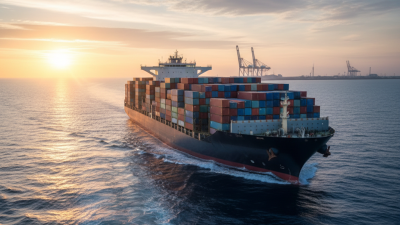
Ocean containers play a vital role in global shipping. According to a report by the International Maritime Organization (IMO), around 90% of the world’s trade is carried by ships. This makes ocean containers essential for moving goods efficiently across the globe. They ensure that products—from electronics to clothing—reach consumers swiftly and safely.
Expert Dr. Lisa Welles, a renowned figure in shipping logistics, states, "Ocean containers are the backbone of international trade." Her perspective highlights how these containers streamline the process. In fact, the demand for ocean containers grew by over 5% last year alone. However, challenges remain. Overcapacity and inefficiencies plague the industry. The surge in e-commerce is further straining logistics networks.
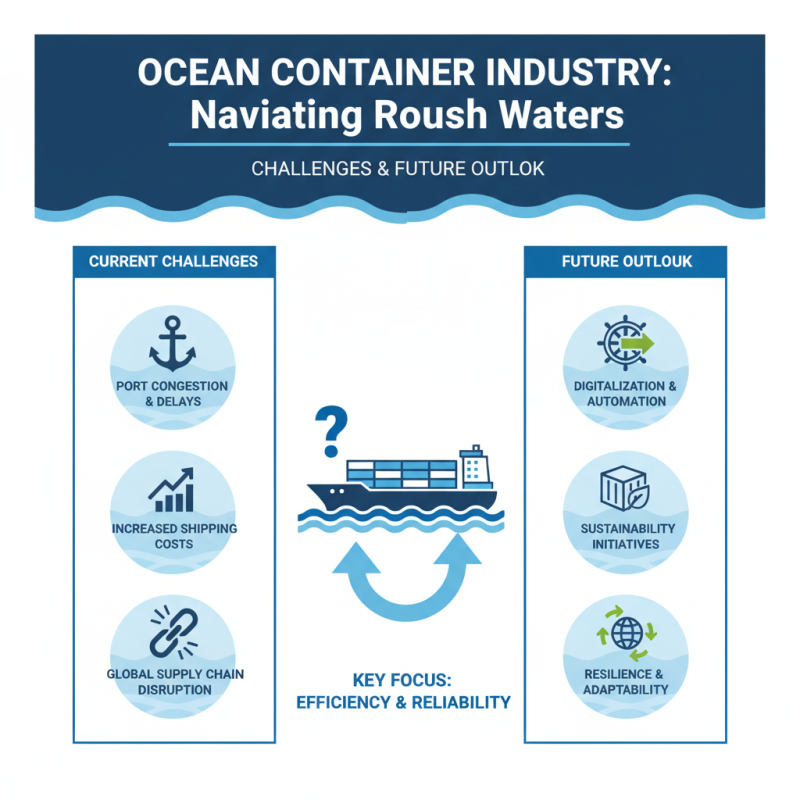
Moreover, while ocean containers facilitate trade, they also present issues. Ports often face congestion due to increased container volumes. This leads to delays and increased shipping costs. It’s essential to address these challenges to ensure sustainable growth in the ocean container industry, which is central to global commerce.
The Role of Ocean Containers in Facilitating International Trade
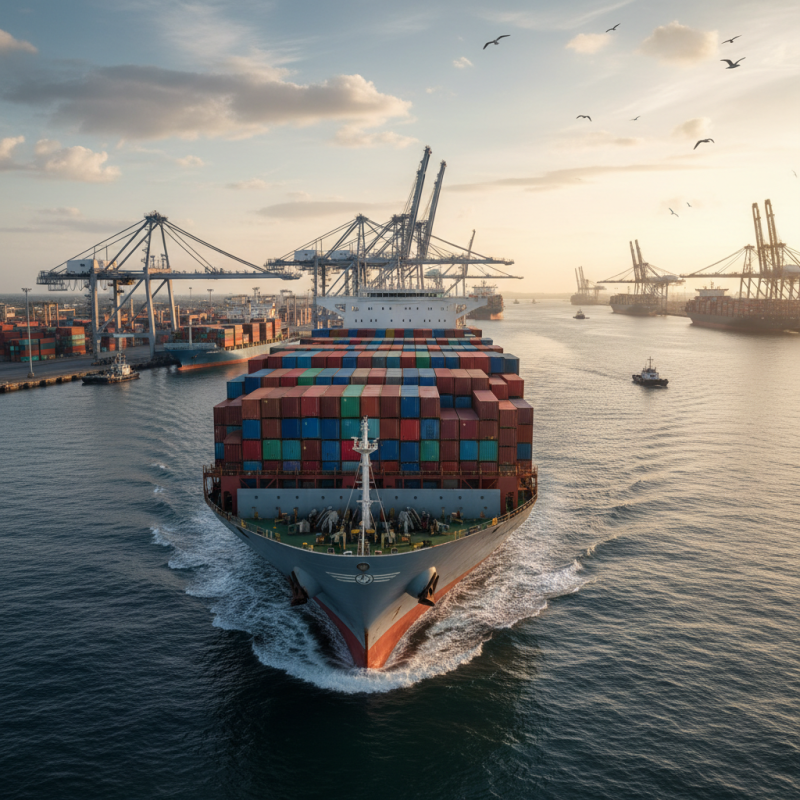
Ocean containers are vital in today’s global shipping network. They enable the efficient transport of goods across oceans. With standardized sizes, they maximize space and minimize costs. This standardization allows businesses to streamline their supply chains. Goods are packed tightly, reducing the risk of damage during transit.
In international trade, speed and efficiency are crucial. Ocean containers ensure that goods move quickly from one country to another. They have transformed global trade. Now, a product manufactured in one part of the world can reach consumers in another within weeks. However, this system can break down under stress. Delays occur due to port congestion or customs issues.
Tips: Always check container status before shipment. Track your cargo to avoid surprises. Choose reliable shipping routes to enhance delivery times. The efficiency of shipping relies on cooperation among shipping lines, freight forwarders, and customs officials. Delays in one area can ripple through the entire process. This interconnectedness calls for constant improvement and flexibility. Trade is dynamic, and so must be the people behind it.
Why Are Ocean Containers Crucial for Global Shipping? - The Role of Ocean Containers in Facilitating International Trade
| Dimension |
Value |
| Total Global Container Trade |
Around 200 million TEUs (Twenty-foot Equivalent Units) annually |
| Main Types of Containers |
Standard, Refrigerated, Open Top, Flat Rack |
| Container Sizes |
20ft, 40ft, 40ft High Cube |
| Shipping Costs |
Estimated $1,500 - $4,000 per 40ft container |
| Major Shipping Routes |
Trans-Pacific, Asia-Europe, Trans-Atlantic |
| Environmental Impact |
Responsible for approximately 3% of global greenhouse gas emissions |
| Average Shipping Time |
15-30 days depending on route |
Statistics on Global Container Shipping Volumes and Growth Trends
Container shipping has transformed global trade. It simplifies logistics and ensures efficient transportation. In recent years, container volumes have surged, reflecting robust economic growth. In 2022, the global container shipping market reached over 800 million TEUs. This number represents a significant increase from previous years.
Growth trends indicate a steady rise in container demand. Emerging markets are contributing significantly. Countries in Asia and Africa are ramping up imports and exports. This shift is reshaping shipping routes and strategies. However, challenges remain. Environmental issues and port congestion are affecting efficiency.
Data shows a projection of continued growth. By 2030, container volumes could reach over 1 billion TEUs. This emphasizes the reliance on effective container shipping. Nonetheless, it raises questions about sustainability and infrastructure. The future of global shipping depends on addressing these critical issues.
Environmental Impact of Ocean Container Shipping and Sustainability Efforts
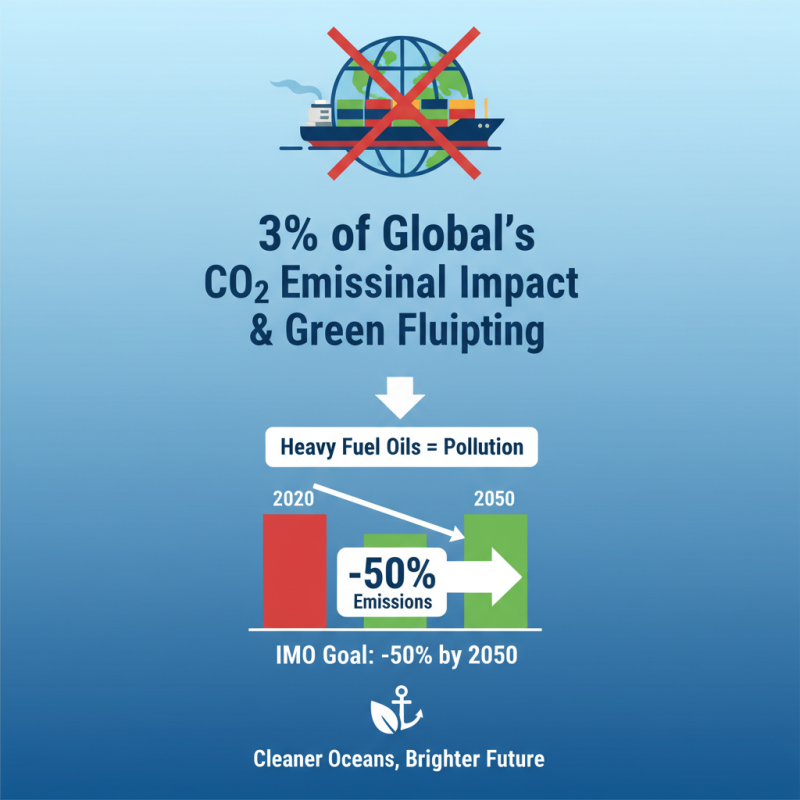
The shipping industry is a significant contributor to global carbon emissions. Ocean container shipping accounts for about 3% of the world's greenhouse gases. This impact is alarming, particularly as global trade increases. Shipping operations rely heavily on heavy fuel oils, which are expensive and polluting. According to the International Maritime Organization, emissions must be reduced by at least 50% by 2050 to combat climate change.
Sustainability efforts are emerging in response. Some shipping companies are exploring alternative fuels like liquefied natural gas (LNG), biofuels, and hydrogen. These innovations have the potential to cut emissions substantially. Additionally, the transition to electric-powered ships is underway. However, the infrastructure for this transition lags. Lack of charging stations and high initial costs are challenges that need addressing.
Tips: Consider supporting companies focused on sustainability. Check if they disclose their environmental practices. Educate yourself about eco-friendly shipping options. Small choices can make a significant difference in reducing emissions. Reflect on your consumption habits and their environmental costs.
Technological Innovations in Container Design and Management Practices
Technological innovations in container design and management practices are transforming global shipping. For instance, the adoption of smart containers equipped with IoT technology has enhanced tracking capabilities. These containers can relay real-time data on temperature, humidity, and location. The result? Greater efficiency and reduced spoilage rates, which can be as high as 25% for perishable goods.
New materials like lightweight composites are also making waves. These advancements not only decrease construction costs but also boost load capacity by 10%. As a challenge, integrating these new materials requires careful management. Improper use may lead to structural failures or increased costs in the long run.
Automation in container handling at ports is another significant innovation. Automated cranes and vehicles streamline loading and unloading processes. According to industry reports, this can reduce turnaround time by up to 30%. Yet, it raises concerns about workforce displacement. Without proper retraining programs, skilled labor may find it hard to adapt, leading to unemployment in some regions.
Global Shipping Container Traffic by Region (2022)