Top 10 International Cargo Shipping Tips for Your Business?
Navigating the world of international cargo shipping can be complex. In 2021, global shipping industry revenues were around $2.8 trillion, emphasizing its significance in trade. Businesses are increasingly reliant on efficient logistics for success. However, many face challenges in managing costs, customs, and delivery times.
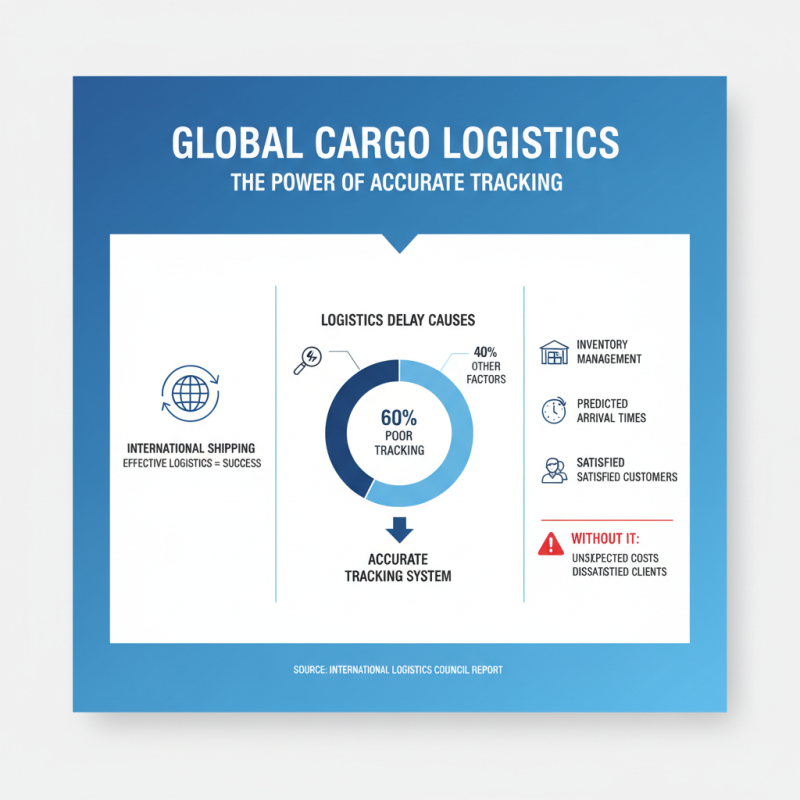
Proper planning is critical. Over 60% of companies report issues with shipping delays. These delays can harm customer satisfaction and trust. In fact, a study found that 75% of customers expect timely deliveries. Understanding the intricacies of international cargo can mitigate these risks.
Consider the environmental impact as well. The shipping industry accounts for about 3% of global CO2 emissions. Striving for sustainability while optimizing costs adds another layer to the challenge. Companies must balance logistics efficiency with ecological responsibility. Addressing these issues can lead to better practices and, ultimately, business growth.

Understanding the Basics of International Cargo Shipping
International cargo shipping plays a crucial role for businesses looking to expand globally. Understanding the basics is essential. According to a report by the International Maritime Organization, around 90% of global trade is carried by the shipping industry. This staggering figure highlights the importance of effective logistics in today’s marketplace.
When preparing for international shipping, consider customs clearance. Each country has its own regulations, which can cause delays. A study by the World Bank indicates that delays at customs can increase shipping costs by over 15%. Successful businesses create a compliance checklist to navigate these complexities. They pay attention to documentation and ensure every detail is accurate.
Another key aspect is choosing the right shipping method. Air freight is faster but can be costly. Sea freight is cheaper but takes longer. Research shows that nearly 60% of businesses prefer a balanced approach, using a mix of both. However, relying too heavily on one method can lead to supply chain vulnerabilities. It’s crucial to constantly evaluate shipping strategies to ensure efficiency and cost-effectiveness. Balancing speed and cost is a delicate act that requires attention and often, reflection.
Top 10 International Cargo Shipping Tips for Your Business
Selecting the Right Shipping Method for Your Business Needs
Choosing the right shipping method is crucial for any business. According to the International Federation of Freight Forwarders Associations (FIATA), companies can lose up to 30% of their revenue due to inefficient shipping practices. The right shipping strategy can enhance efficiency and reduce costs.
Air freight is faster but more expensive. It's ideal for high-value or urgent items. Reports suggest air freight costs can be nearly four times higher than sea freight. On the other hand, sea freight is cost-effective for bulk shipments. However, it can take weeks. Research shows that transit times for sea shipping can average between 15 to 30 days. Balancing speed and cost is vital.
Your unique business needs dictate the best choice. If your products have short shelf lives, air freight might be necessary despite the costs. But for non-perishable items, sea freight is more sensible. Consider potential delays, especially during peak seasons. Shipping disruptions can occur, and plans can go awry. Reflecting on your shipment needs helps streamline operations.
Essential Documentation for Smooth Cargo Transport
In international cargo shipping, proper documentation is crucial. It's the backbone of your logistics operations. Essential documents include the bill of lading, invoices, and customs declarations. Missing or incorrect paperwork can cause delays. It's vital to double-check all forms before submission. Often, businesses overlook small details that can disrupt the entire shipping process.
In addition to the basic documents, consider certificates of origin and insurance papers. These may seem minor, but they play a critical role. A little mistake can lead to higher costs or damage claims. Track your documents carefully. Use a checklist to ensure nothing is overlooked. Keeping organized files can save you time and frustration.
Communication with all parties involved is essential. Ensure your suppliers and carriers are on the same page. Misunderstandings can arise when expectations are unclear. Regular updates can keep everything flowing smoothly. Evaluate your processes regularly. There’s always room for improvement, especially in documentation. Reflect on past shipments to identify areas that need attention.
Tips for Cost-Effective International Freight Forwarding
When it comes to international freight forwarding, cost-effectiveness is key. A 2021 study from the World Bank found that logistics costs account for about 11% of global GDP. For businesses, minimizing these costs can significantly improve profit margins. One practical tip is to consolidate shipments. This method helps in spreading fixed costs over larger volumes, thereby reducing the per-unit cost. Additionally, optimizing shipping routes can save both time and money.
Another aspect to consider is the choice of incoterms. Some terms place the responsibility and costs on the buyer, while others on the seller. Understanding these can lead to considerable savings. According to the International Maritime Organization, shipping can also be influenced by fuel prices, which are often volatile. Keeping an eye on these trends can help businesses avoid inflated costs.
It's important to remember that not all freight forwarders offer the same services or pricing. Sometimes the cheapest option may not guarantee the best reliability. Assessing the forwarder’s track record and customer satisfaction ratings can prevent future issues. Avoiding unexpected hiccups is always preferable, as they can lead to hidden expenses. Knowing the basics can prevent financial pitfalls in your international shipping strategy.
Top 10 International Cargo Shipping Tips for Your Business
| Tip Number |
Shipping Tip |
Cost-Saving Method |
Estimated Savings (%) |
| 1 |
Consolidate Shipments |
Combine multiple small shipments into one |
10-30% |
| 2 |
Choose the Right Carrier |
Evaluate carriers based on rates and reliability |
5-15% |
| 3 |
Opt for FCL over LCL |
Full Container Load can be cheaper than Less than Container Load |
15-25% |
| 4 |
Plan Ahead |
Book shipments in advance to avoid rush fees |
10-20% |
| 5 |
Use Technology |
Track shipments and manage logistics using software |
5-15% |
| 6 |
Understand Customs Regulations |
Ensure compliance to avoid costly delays |
10-20% |
| 7 |
Optimize Packaging |
Use efficient packaging to reduce weight and costs |
8-18% |
| 8 |
Negotiate Rates |
Secure better terms with frequent carriers |
5-10% |
| 9 |
Consider Alternative Routes |
Explore different shipping paths for better rates |
10-20% |
| 10 |
Regularly Review Shipping Costs |
Monitor and compare shipping expenses |
5-15% |