How Much Is Container Freight From China?
How much is container freight from China? There is no single dependable price. The final charge depends on the Chinese origin, destination port, container size, booking date, and available vessel space. A 20-foot container leaving Shanghai can receive a different quote from a 40-foot container departing Ningbo, even when both travel to the same region. Timing matters. So does the service.
Lars Jensen, CEO of Vespucci Maritime and a container-shipping analyst, has emphasized how market conditions shape freight rates. Put simply, his point is that rates respond to supply, demand, and capacity. This is a paraphrase, not a verbatim quotation. It is a useful reminder when comparing headline prices with real shipping costs. Ask whether the quote includes origin handling, ocean freight, destination charges, and delivery. Check its validity date, too. A rate that looks attractive on Monday may not apply when cargo is ready to load.
Small details matter. A crowded sailing, a missed cutoff, or an unclear destination fee can change the total. Request itemized quotes for the same route, container type, and shipping window. Then compare transit time and included services, not just the lowest number. This guide explains the main cost drivers, how to read freight quotes, and where unexpected charges may appear. Estimates are only estimates; carriers and market conditions can change quickly. That uncertainty deserves attention, not a confident guess.
What Container Freight From China Includes
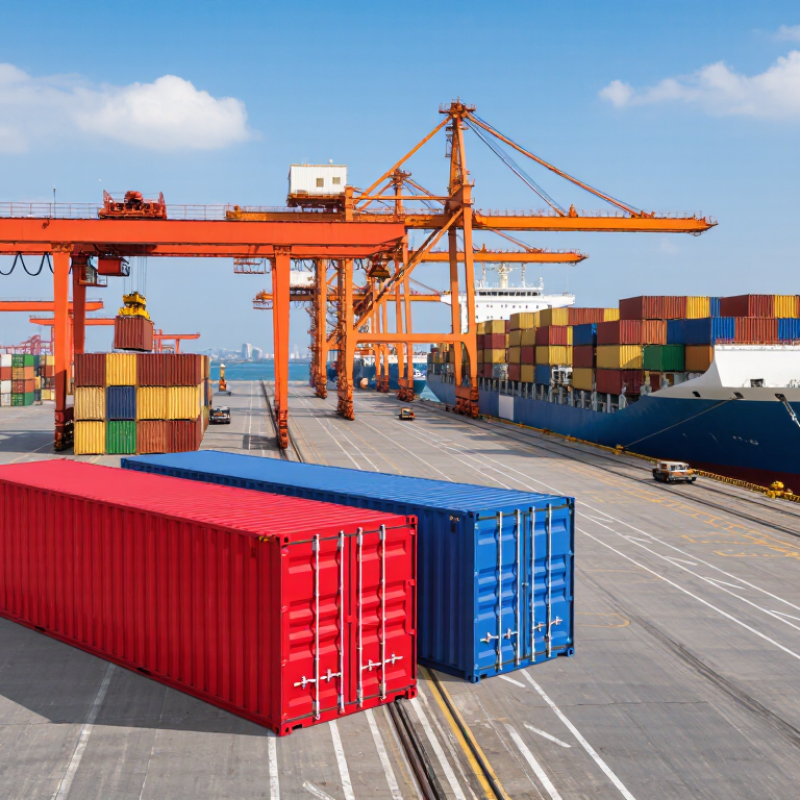
Container freight from China usually refers to moving a container by sea, but the quoted price may cover only part of the journey. It often includes space on a vessel and ocean transport between named ports. The exact scope depends on the route, container size, and service terms. That distinction matters.
Some quotes also include origin services, such as container pickup, export terminal handling, and shipping documents. Others list these as separate charges. At the destination, port handling, unloading, customs clearance, and delivery to a warehouse may cost extra. Duties and taxes are generally separate from freight. Ask for a written breakdown showing what is included at both ends.
For example, a container collected from a factory may need a truck, export processing, port handling, ocean carriage, and final delivery. Each step can appear as its own line item—or be bundled into one rate. Small fees add up. Check whether the quote covers fuel adjustments, peak-season charges, and storage if delays occur. Even experienced importers can overlook a destination fee; comparing quotes is difficult when each provider defines “freight” differently. Request the same service scope from every provider, and confirm which costs remain payable on arrival.
How Much Is Container Freight From China? - What Container Freight From China Includes
These broad planning ranges show indicative ocean-freight costs for a full container load (FCL). Actual rates depend on the Chinese port, destination port, season, carrier space, cargo details, and booking date.
| Route (example) |
Container |
Indicative ocean-freight range (USD) |
Typically included in the ocean-freight quote |
Commonly excluded or charged separately |
| China to North Europe |
20-foot standard |
$1,500–$3,500 |
Sea transport from the named origin port to the named destination port, subject to the quote’s terms. |
Inland trucking, customs clearance, duties and taxes, cargo insurance, and destination handling charges. |
| China to North Europe |
40-foot standard or high-cube |
$2,500–$5,000 |
Sea transport from the named origin port to the named destination port, subject to the quote’s terms. |
Inland trucking, customs clearance, duties and taxes, cargo insurance, and destination handling charges. |
| China to the U.S. West Coast |
20-foot standard |
$2,000–$4,500 |
Port-to-port sea transport; the exact ports and any included surcharges should be confirmed in the booking quote. |
U.S. port and terminal charges, customs entry, duties, exams, delivery, and cargo insurance. |
| China to the U.S. West Coast |
40-foot standard or high-cube |
$3,000–$6,500 |
Port-to-port sea transport; the exact ports and any included surcharges should be confirmed in the booking quote. |
U.S. port and terminal charges, customs entry, duties, exams, delivery, and cargo insurance. |
| China to the U.S. East Coast |
20-foot standard |
$3,000–$5,500 |
Sea transport to the named destination port; routing may include transit through another port or canal. |
Destination handling, customs clearance, duties and taxes, inland delivery, and cargo insurance. |
| China to the U.S. East Coast |
40-foot standard or high-cube |
$4,500–$8,000 |
Sea transport to the named destination port; routing may include transit through another port or canal. |
Destination handling, customs clearance, duties and taxes, inland delivery, and cargo insurance. |
| China to Australia’s east coast |
20-foot standard |
$1,500–$3,500 |
Sea transport between the ports named in the quote. |
Port charges, customs and biosecurity services, duties and taxes, delivery, and cargo insurance. |
| China to Australia’s east coast |
40-foot standard or high-cube |
$2,500–$5,000 |
Sea transport between the ports named in the quote. |
Port charges, customs and biosecurity services, duties and taxes, delivery, and cargo insurance. |
Important: These ranges are illustrative estimates, not live offers or guaranteed rates. “Container freight” often refers to the ocean leg only. Ask for a written quote that itemizes origin charges, ocean freight, destination charges, customs services, and final delivery so you can compare the total landed transport cost.
How Shipping Method and Container Size Affect Freight Rates
Shipping method changes the price more than many first-time importers expect. Ocean freight usually suits bulky, non-urgent cargo, while air freight costs more but can shorten transit time. Rail may offer a middle ground on some routes. Not every lane has the same options.
Container size matters, too. A 20-foot container can work well for dense goods, such as tiles or canned products, because weight may limit how much fits. A 40-foot container provides more floor space for lighter cartons. A 40-foot high-cube adds height, useful for stackable goods, but it is not automatically the cheapest choice. I have seen buyers focus on the container rate and overlook whether their cartons actually use the extra space.
Compare the full shipment cost, not just the ocean quote. Ask whether the price includes pickup in China, port handling, destination charges, and delivery to your warehouse. LCL shipments share container space and can suit smaller loads, though handling fees may make the per-unit cost less attractive. Rates shift with route, season, fuel costs, and available space. Get quotes using the cargo’s packed dimensions, gross weight, origin, destination, and ready date. Small details matter. A rough carton count can lead to a rough quote, and I would not treat an early estimate as final.
Which Factors Cause Freight Prices to Change
How Much Is Container Freight From China? Which Factors Cause Freight Prices to Change
Container freight from China has no single dependable price. A quote depends on the route, shipment size, and what the rate includes. A full 40-foot container moving from Shanghai to Los Angeles is not directly comparable with a small shared shipment from Ningbo to Rotterdam. Different ports, services, and handling steps change the bill. Small details matter.
Seasonality can move prices quickly.
Before major holidays, exporters may rush cargo to ports, filling vessel space and pushing spot rates upward. Fuel costs, available ships, container shortages, and port congestion also affect carrier pricing. A vessel delay can add storage or handling charges, even when the ocean rate itself stays unchanged.
Timing matters.
Cargo dimensions and weight influence how efficiently a container is used, while special equipment may cost more than standard dry equipment. Inland trucking, origin handling, destination fees, and customs-related services may sit outside an advertised ocean rate.
Ask for a written, itemized quote with validity dates, routing, transit estimates, and included fees.
Compare identical terms.
It is easy to miss one charge; even careful estimates may need revision when schedules shift.
How to Estimate Costs for Major Shipping Routes
Estimating container freight from China starts with the exact port pair, not just the destination country. A Shanghai-to-Los Angeles shipment can price differently from one leaving Ningbo, even when both arrive on the US West Coast. Europe-bound cargo also varies by departure port and destination, while routes to nearby Asian ports may have shorter sailing times but still incur local fees. Request separate quotes for a 20-foot and 40-foot container. Rates are not directly interchangeable.
Compare the same service scope across quotes. Ocean freight may exclude trucking in China, customs handling, terminal charges, delivery, and surcharges. Ask whether the price is port-to-port or door-to-door, how long it remains valid, and whether equipment is available. A low base rate can become less attractive after destination charges. Small details matter. Seasonal demand, fuel costs, and vessel capacity can shift prices quickly, so treat any online estimate as a planning figure, not a guaranteed offer.
Tips: Share the cargo’s dimensions, weight, ready date, origin address, and delivery location when requesting rates. Check the quote’s expiry date and list of exclusions. If your schedule has flexibility, compare nearby departure ports and sailing dates; the cheapest option may take longer or involve an extra transfer.
How Much Is Container Freight From China?
Indicative ocean-freight estimates for a 40-foot container on major routes from Shanghai, in USD.
These figures are illustrative planning estimates, not live quotes. Actual prices fluctuate with season, capacity, fuel surcharges, and carrier availability. They cover ocean freight only and exclude customs, insurance, port fees, and inland transport.
What Additional Charges May Increase the Final Bill
The ocean rate is only one part of the cost of shipping a container from China. Origin charges may include truck transport to the port, export documentation, terminal handling, and customs processing. A factory far inland can add several hundred dollars in trucking, depending on distance and container availability. Ask whether the quote includes these services, and check its validity period. Rates can change.
Destination charges can be less visible. They may include terminal handling, port security, customs clearance, and delivery from the port to your warehouse. Duties and taxes are separate, and depend on the goods’ declared value and classification. Storage charges can rise if paperwork is delayed or the container is not collected in time. Detention fees may apply when an empty container is returned late. That adds up. Some quotes also exclude cargo insurance, inspection fees, or extra handling for heavy loads. Small items matter. Compare itemized quotes, not just the headline freight rate, and confirm who pays each charge. I’ve seen even a careful estimate miss a local fee; port schedules and billing practices vary, so leave room for changes.