10 Essential Tips for Tracking Shipping Effectively?
Effective tracking shipping is essential in today’s fast-paced world. As businesses expand globally, timely delivery influences customer satisfaction and trust. Understanding the nuances of tracking shipping can help streamline this process, making it smoother and more reliable.
One key aspect is using the right technology. Many apps and software tools can enhance visibility. Yet, a reliance on technology may lead to complacency. Regular checks and manual updates ensure accuracy. Customers must feel informed; simple notifications can build confidence. Another factor is the need for clear communication. Shipping updates should be direct and informative. This transparency helps customers manage expectations, but sometimes delays are unavoidable.
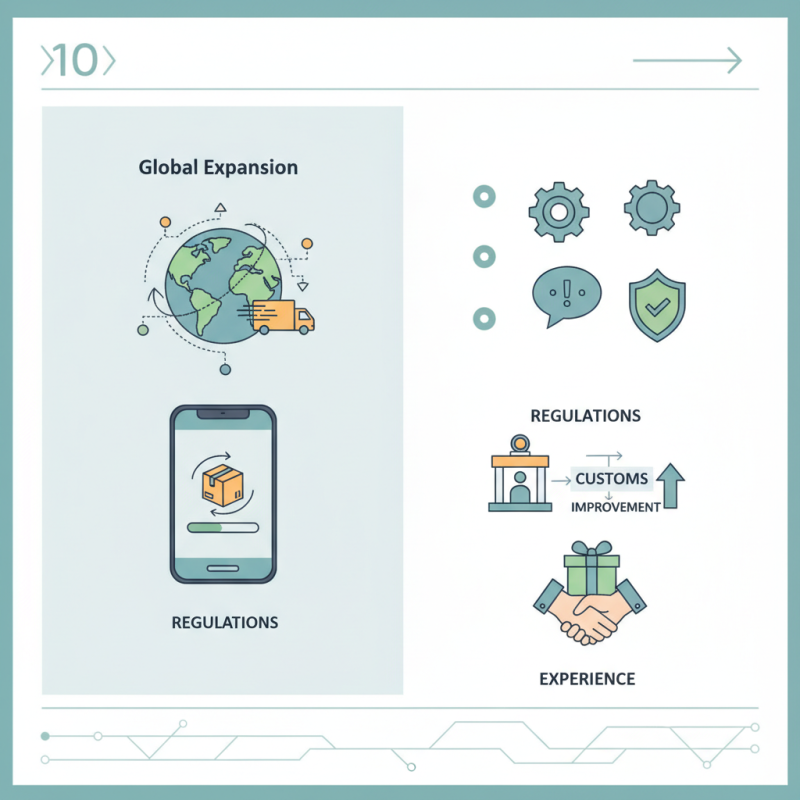
Understanding international shipping also plays a vital role. Each country has unique regulations. Unexpected customs issues can arise. It's crucial to stay informed and agile in these situations. Investing time in learning the environment around tracking shipping will yield benefits. Reflecting on past challenges allows businesses to improve. Remember, shipping is not just about the package; it's about the experience.
Best Practices for Setting Up Real-Time Shipment Tracking Systems
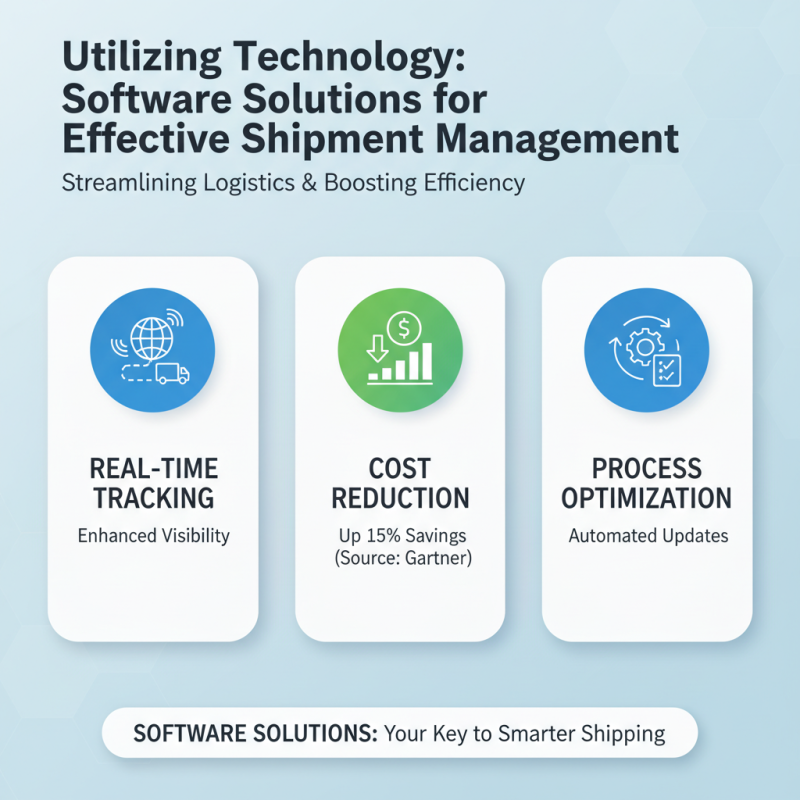
Establishing a real-time shipment tracking system is crucial for any logistics operation. According to a report by the International Data Corporation, companies that implement effective tracking systems can reduce shipping costs by up to 15%. This highlights the need for detailed tracking processes in today's fast-paced market.
One best practice is integrating advanced technology. Using GPS and RFID can enhance visibility and accuracy. It's essential to ensure that all departments have access to tracking information. This promotes collaboration and helps in troubleshooting any issues promptly. A study from the Council of Supply Chain Management Professionals reveals that 85% of consumers expect real-time updates on shipment statuses.
Training staff on the use of tracking tools is another key aspect. Employees should understand the importance of up-to-date information. A well-informed team can respond to customer inquiries more effectively. However, many companies struggle to provide this training due to budget constraints. Investing in employee education could significantly improve service quality and customer satisfaction.
Understanding Key Performance Indicators (KPIs) in Shipping Logistics
Key Performance Indicators (KPIs) in shipping logistics are vital for measuring success. These metrics provide insight into operational efficiency. Shipping delays can cost businesses up to $1.7 trillion annually. Therefore, tracking performance through KPIs is essential.
One critical KPI is on-time delivery rate. This metric assesses the percentage of shipments delivered as promised. According to a study from the Logistics Management Journal, a consistent on-time delivery rate of 95% can significantly boost customer satisfaction. However, many companies struggle to achieve this. They often face obstacles like unexpected weather conditions or transportation issues.
Another important KPI is order accuracy. This metric measures the percentage of orders delivered correctly. Research indicates that a 1% increase in order accuracy can lead to a 5% increase in customer loyalty. Yet, many businesses report accuracy rates below 90%. This highlights a key area for improvement. Companies must focus on better inventory management and employee training to address these challenges. By honing in on these KPIs, organizations can enhance their shipping processes effectively.
10 Essential Tips for Tracking Shipping Effectively
| KPI |
Description |
Target Value |
Current Value |
Status |
| On-time Delivery Rate |
Percentage of shipments delivered on time. |
95% |
92% |
⚠️ Under Target |
| Order Accuracy |
Proportion of orders delivered correctly. |
99% |
98% |
⚠️ Under Target |
| Shipment Tracking Notifications |
Percentage of shipments with tracking notifications sent. |
100% |
100% |
✅ On Target |
| Average Delivery Time |
Average time taken for deliveries. |
3 days |
4 days |
⚠️ Over Target |
| Customer Satisfaction Score |
Rating of customer satisfaction with shipping. |
4.5/5 |
4.0/5 |
⚠️ Under Target |
Integrating Communication Strategies for Enhanced Customer Experience
Effective communication during the shipping process can significantly enhance customer experience. A study by Logistics Management found that 86% of consumers are willing to pay more for better shipping options. Providing timely updates on shipping status is crucial. Customers appreciate transparency about package delays or issues. When they feel informed, their satisfaction increases.
Integrating communication strategies can bridge the gap between expectations and reality. Sending proactive notifications about shipping progress can reduce anxiety. For example, if a delivery is delayed, informing the customer immediately can help manage their expectations. A survey indicated that 63% of consumers prefer updates via SMS or email, making these channels essential for businesses.
Moreover, visual tracking tools can improve engagement. Customers enjoy seeing their package's journey in real-time. Research by Invesp shows that 70% of consumers find visual updates more engaging than text-only updates. Incorporating these strategies might require an upfront investment. However, the potential for increased loyalty and trust can justify the cost. Companies need to reflect on their current practices and consider improvements. Communicating effectively about shipping is not just a service; it’s a strategy for building lasting customer relationships.
Analyzing Data Trends to Optimize Shipping Routes and Costs
Analyzing data trends is crucial for optimizing shipping routes and costs. Companies often overlook valuable insights hidden in their shipping data. By regularly reviewing delivery times and costs, businesses can identify patterns. These patterns reveal inefficiencies that may require attention. For instance, if certain routes consistently exceed budgeted costs, it’s time to investigate.
Using software tools enhances data analysis. Many logistics platforms offer features that track shipping performance in real time. These tools can spot delays, helping businesses adapt quickly. In one case, a company discovered they were regularly rerouted due to traffic reports. Adjusting their schedules saved them both time and money.
However, relying solely on data can have setbacks. Data might misrepresent current conditions. For example, unexpected weather events can disrupt even the most optimized routes. Regular updates and context are necessary to ensure accuracy. Also, human oversight is essential. Data analysis requires a team that understands both the numbers and the real-world implications. Balancing data-driven decisions with human insights leads to better shipping strategies.
Shipping Costs Analysis for Optimization
This bar chart visualizes the average shipping costs over a span of five weeks, allowing businesses to analyze trends and identify potential areas for cost optimization in their shipping strategies.