10 Essential Shipping and Logistics Tips for Smooth Operations
In today’s fast-paced global market, efficient shipping and logistics are paramount for businesses aiming to thrive. According to a report by Statista, the global logistics market is expected to reach $12 trillion by 2023, underscoring the growing importance of streamlined operations. Companies that prioritize effective shipping strategies can gain significant competitive advantages, reduce overhead costs, and improve customer satisfaction. For instance, a study by the Council of Supply Chain Management Professionals (CSCMP) indicates that improving logistics performance can lead to a remarkable increase in overall profitability.
Moreover, as e-commerce continues to expand, the demand for efficient shipping and logistics solutions becomes even more critical. Research from McKinsey reveals that up to 70% of consumers expect free shipping and fast delivery options, placing immense pressure on logistics providers to enhance their operational capabilities. In this context, understanding the nuances of shipping and logistics management is essential for businesses to navigate challenges such as capacity constraints, supply chain disruptions, and rising transportation costs. By implementing best practices in these areas, organizations can ensure smooth operations, ultimately delivering greater value to their customers and stakeholders.
Understanding the Fundamentals of Shipping and Logistics Operations
Understanding the fundamentals of shipping and logistics operations is essential for businesses aiming to optimize their supply chain. At the core, shipping involves the process of transporting goods from one location to another, which includes crucial steps such as inventory management, order processing, and final delivery. Efficient logistics ensures that these processes work in harmony to minimize delays and reduce costs. Companies must develop a thorough understanding of their transportation options, whether utilizing road, rail, sea, or air methods, while also considering factors like route planning and carrier selection.
Moreover, effective communication plays a vital role in successful logistics operations. It is important for all stakeholders involved—suppliers, carriers, and customers—to have clear lines of communication. Real-time tracking systems and updates help in managing expectations and addressing any issues that may arise during transit. Additionally, training staff on logistics best practices fosters a culture of accountability and efficiency, ensuring that everyone involved understands their responsibilities in the shipping process. By focusing on these fundamentals, businesses can enhance their operational efficiency and achieve a streamlined shipping experience.
Optimizing Packing Techniques for Safe and Efficient Shipping
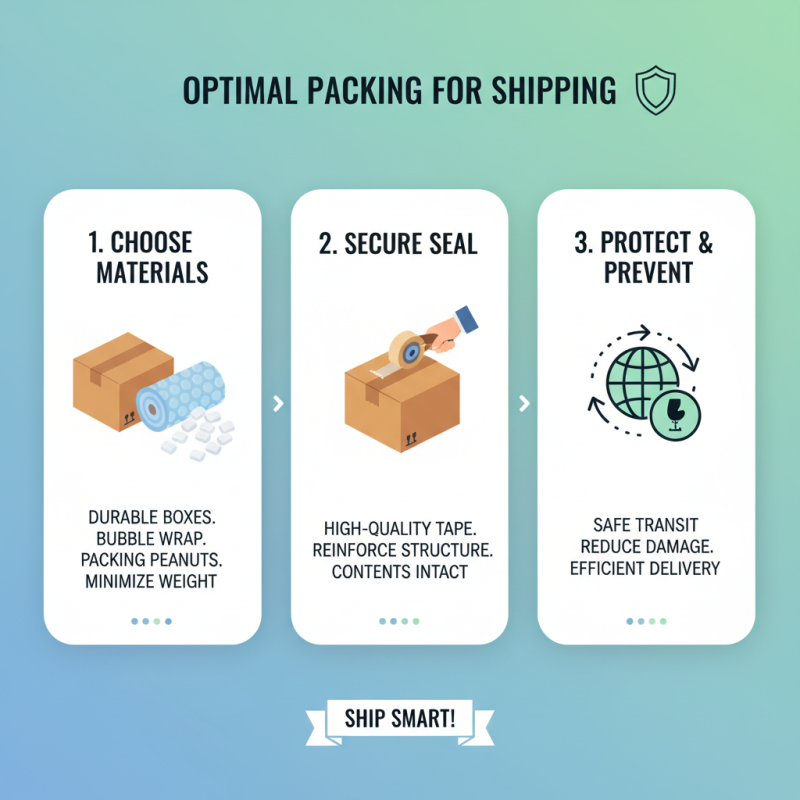
Optimizing packing techniques is crucial for ensuring the safe and efficient shipping of goods. One of the fundamental strategies is to choose the right packing materials that provide adequate protection while minimizing excess weight. Durable boxes, bubble wrap, and packing peanuts can help absorb shocks and prevent damage during transit. Furthermore, it is essential to use high-quality tape to seal boxes securely, reinforcing the structure and ensuring that the contents remain intact throughout the shipping process.
In addition to selecting appropriate materials, the method of packing items also plays a vital role. Properly arranging items within the packaging can prevent movement and minimize the risk of breakage. Utilizing space efficiently by filling gaps with cushioning materials helps to create a snug fit, which is especially important for fragile items. Implementing the use of clear labeling and handling instructions will assist carriers in managing packages with care, thereby reducing the likelihood of mishaps. By adopting these packing techniques, businesses can enhance their logistics operations and contribute to smoother shipping processes.
Choosing the Right Shipping Method for Your Business Needs
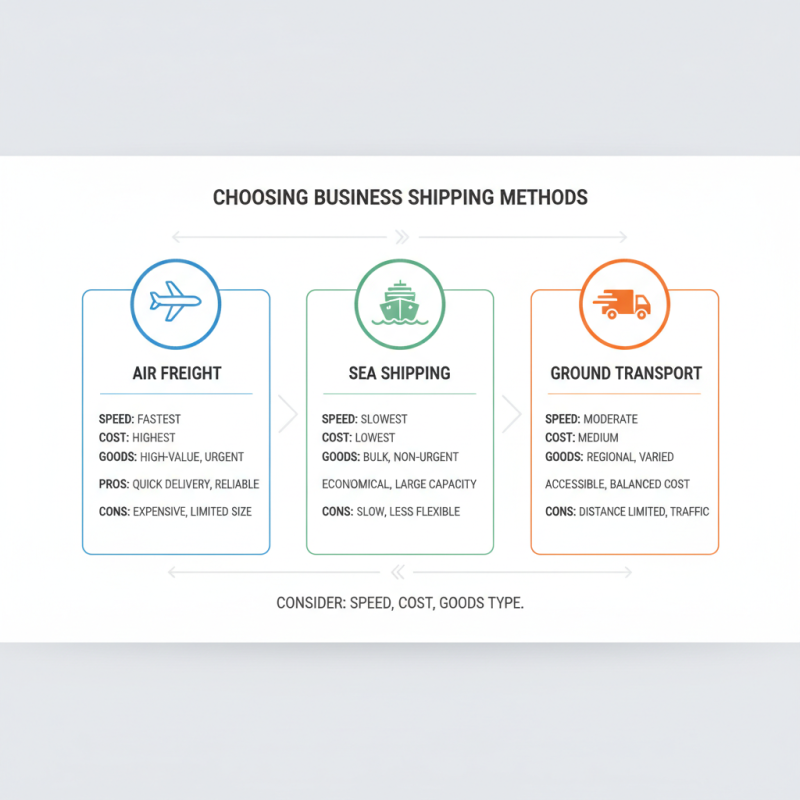
Choosing the right shipping method for your business needs is crucial for ensuring efficiency and customer satisfaction. Each shipping option—be it air freight, sea shipping, or ground transport—comes with its own set of advantages and limitations. When selecting a method, consider factors such as delivery speed, cost, and the nature of the goods being shipped. For instance, if time is of the essence and the products are high-value, air freight may be the best choice despite its higher cost. Conversely, for bulky items or non-urgent shipments, sea freight can be more economical.
Another important consideration is the destination. Different regions may have varied infrastructures and regulations that affect shipping times and reliability. Evaluating the shipping provider’s expertise in your targeted areas can greatly streamline the process. Additionally, be sure to factor in customer preferences—offering multiple shipping options can enhance the purchasing experience and cater to different needs. By carefully analyzing these elements, businesses can make informed decisions that not only improve operational efficiency but also enhance customer loyalty.
Implementing Effective Inventory Management Strategies
Effective inventory management is crucial for smooth shipping and logistics operations. Companies must adopt strategies that ensure the right products are available when needed, reducing excess stock while preventing shortages. One approach is to implement a just-in-time (JIT) inventory system, which minimizes inventory levels by synchronizing supply with demand. This strategy requires accurate forecasting and reliable suppliers to ensure that goods arrive precisely when required, thus enhancing operational efficiency.
Another essential strategy is to utilize inventory management software that provides real-time tracking and visibility into stock levels. Such systems can automate order management, alerting businesses to low inventory levels and enabling them to replenish stock promptly. Additionally, categorizing inventory using the ABC analysis method helps prioritize management efforts based on the value and turnover rate of different items. By focusing on critical items, companies can optimize storage space and streamline their logistics processes, ultimately leading to more effective operations.
10 Essential Shipping and Logistics Tips for Smooth Operations - Implementing Effective Inventory Management Strategies
| Tip Number |
Tip |
Description |
Benefits |
| 1 |
Optimize Routes |
Use software to determine the most efficient routes for shipping. |
Reduces fuel costs and delivery times. |
| 2 |
Implement Real-Time Tracking |
Use GPS and RFID technology to track shipments. |
Enhances transparency and customer satisfaction. |
| 3 |
Enhance Communication |
Ensure regular updates are provided to all stakeholders. |
Fosters collaboration and reduces misunderstandings. |
| 4 |
Maintain Inventory Accuracy |
Regularly update inventory records and conduct audits. |
Minimizes stockouts and overstock situations. |
| 5 |
Make Use of Automation |
Implement automated systems for order processing and inventory management. |
Increases efficiency and reduces human error. |
| 6 |
Review Carrier Performance |
Assess and compare the performance of shipping carriers regularly. |
Ensures you are using the most reliable services. |
| 7 |
Establish Clear Policies |
Create and communicate clear shipping and returns policies to customers. |
Reduces confusion and improves the customer experience. |
| 8 |
Invest in Training |
Provide regular training sessions for your logistics team. |
Keeps staff updated on best practices and technologies. |
| 9 |
Monitor Market Trends |
Stay informed on industry trends and changes in regulations. |
Helps in making proactive adjustments to operations. |
| 10 |
Leverage Technology |
Adopt modern logistics software and tools for efficiency. |
Streamlines processes and enhances data visibility. |
Leveraging Technology for Enhanced Logistics Efficiency
The landscape of logistics and shipping has evolved significantly with the advent of technology, leading to heightened operational efficiency and accuracy. According to a report by the Logistics Management, companies utilizing advanced logistics technology can reduce their shipment errors by up to 30%. This substantial decrease in errors not only saves time but also enhances customer satisfaction, as orders are more likely to be delivered accurately and on time. Implementing solutions such as transportation management systems (TMS) and automated inventory management can lead to optimized routes, reduced fuel consumption, and improved resource allocation.
Moreover, leveraging data analytics and real-time tracking tools has transformed traditional logistics operations. A study conducted by the Council of Supply Chain Management Professionals highlighted that companies that adopt data analytics see a 10-15% increase in operational efficiency. These technologies allow businesses to predict delays, manage supply chain risks, and forecast demand more accurately. As logistics firms embrace innovations like artificial intelligence and machine learning, they gain the ability to analyze vast amounts of data, thus enabling smarter decision-making and ultimately driving down costs while enhancing service levels.
10 Essential Shipping and Logistics Tips for Smooth Operations
This bar chart illustrates the efficiency score of various essential shipping and logistics tips for smooth operations. Leveraging technology and optimizing processes significantly enhances logistics efficiency.