Why Ocean Freight Tracking is Essential for Modern Shipping Businesses?
In today's fast-paced global market, ocean freight tracking is vital for shipping businesses. Companies rely on accurate tracking to meet client expectations. Delays can ruin reputations. Real-time updates help businesses navigate challenges effectively. Every shipment counts, and visibility plays a key role.
Many shipping businesses still lag in adopting efficient tracking systems. This oversight can lead to inefficiencies and lost cargo. In an industry where timely delivery is crucial, each misstep can mean lost revenue. Implementing ocean freight tracking is not just a choice; it's a necessity for survival.
Focusing on customer satisfaction should drive every shipping decision. Transparent processes build trust with clients. Embracing technology can streamline operations. The journey of every container is a chance for improvement. Missing opportunities in this competitive landscape could spell disaster for businesses unwilling to adapt.
The Importance of Reliability in Ocean Freight Tracking Systems
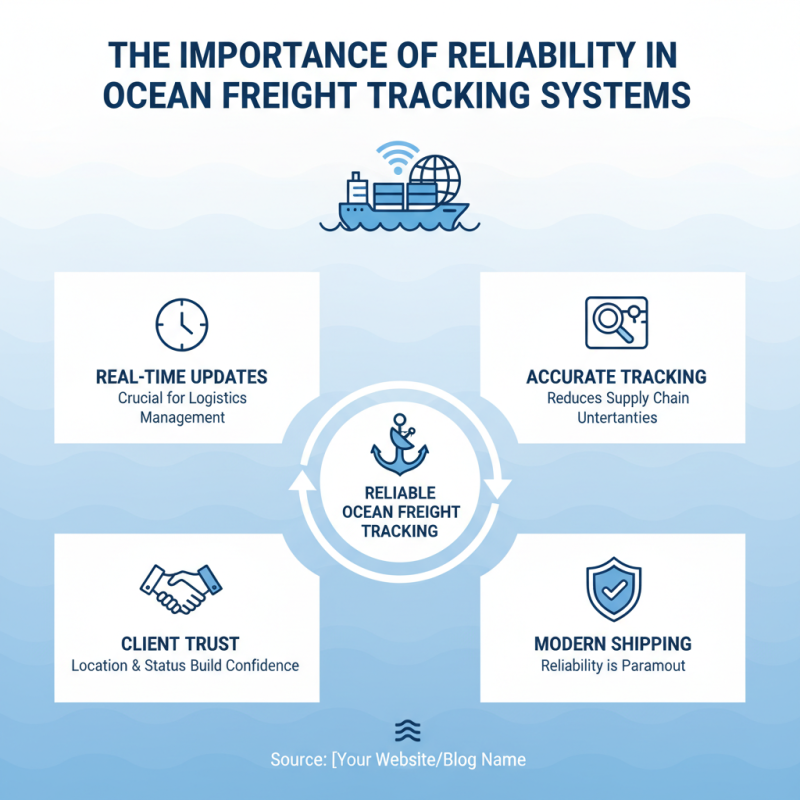
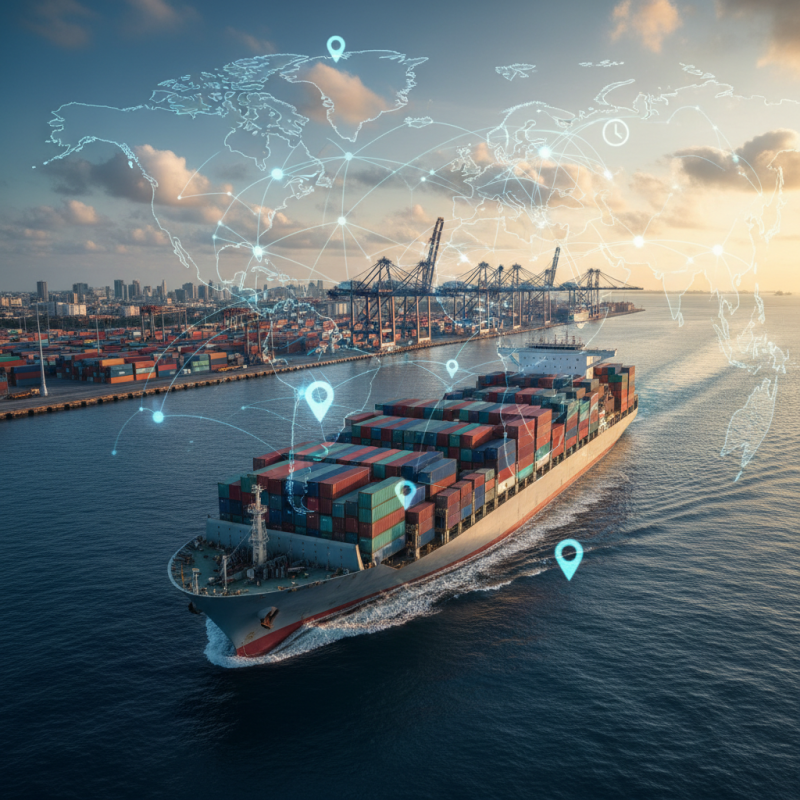
In modern shipping, reliability is crucial. Ocean freight tracking systems offer this reliability. They provide real-time updates, which are vital for managing logistics. Knowing the location and status of cargo builds trust with clients. Accurate tracking reduces uncertainties in supply chains.
However, not all tracking systems are equal. Some may have frequent outages or inaccuracies. This can lead to increased frustration for businesses attempting to plan their operations. When shipments are delayed, it affects the entire supply chain. Companies must reflect on these inconsistencies to improve their processes.
Investing in robust tracking systems is key. Yet, many firms overlook the importance of thorough testing. A reliable system should integrate seamlessly with other logistics tools. When this happens, efficiency increases. Effective communication with all parties involved is essential for maintaining trust and ensuring smooth operations.
Key Technologies Driving Ocean Freight Tracking Efficiency
Ocean freight tracking is vital for modern shipping enterprises. As global trade expands, the need for efficient tracking has never been more critical. Key technologies like GPS, RFID, and IoT are revolutionizing how businesses manage their shipments.
GPS technology provides real-time location data. This allows businesses to pinpoint where their cargo is at any moment. However, inaccuracies can occur due to signal loss in dense urban areas or remote regions. Solutions may come with higher costs, leaving some companies hesitant to adopt them fully.
RFID tags enable automatic identification of cargo. They provide seamless tracking without manual scanning. Yet, costs for RFID systems can be daunting for smaller companies. Small businesses might consider integrating cost-effective solutions, like basic barcoding systems, until they can invest in RFID.
Implementing these technologies brings various benefits. Enhanced visibility leads to better decision-making and improved customer satisfaction. However, reliance solely on technology can be risky. Technical failures could disrupt operations. Businesses must develop contingency plans to address potential tech-related issues.
Tip: Regular training for staff on using these technologies can minimize errors and optimize tracking processes. Also, ensure regular maintenance of tracking equipment to avoid unexpected failures.
Why Ocean Freight Tracking is Essential for Modern Shipping Businesses? - Key Technologies Driving Ocean Freight Tracking Efficiency
| Technology |
Description |
Benefits |
Impact on Efficiency |
| GPS Tracking |
Global Positioning System technology to monitor vessel location. |
Real-time updates, improved route planning. |
Enhances visibility and reduces delays. |
| IoT Sensors |
Internet of Things devices that monitor cargo conditions. |
Monitoring temperature, humidity, and shock. |
Prevents cargo damage and ensures quality. |
| Blockchain |
Decentralized ledger technology for secure transactions. |
Increased transparency and reduced fraud. |
Streamlines documentation and builds trust. |
| AI Analytics |
Artificial intelligence tools for data analysis. |
Forecasting demand and optimizing schedules. |
Improves decision-making and resource allocation. |
| Mobile Applications |
Apps for tracking shipments on-the-go. |
User-friendly interface for easy access. |
Enhances user engagement and satisfaction. |
Impact of Ocean Freight Visibility on Supply Chain Performance
Ocean freight visibility plays a crucial role in enhancing supply chain performance. When businesses can track their shipments, they can better anticipate delays. This anticipation allows for more accurate delivery timelines. Clear visibility reduces uncertainty in operations, improving planning and resource allocation.
Moreover, having real-time data helps in identifying inefficiencies. It sheds light on the transportation process. Companies can pinpoint areas needing improvement. This continuous assessment can lead to significant cost savings. However, not all businesses leverage these insights effectively. Some may struggle with adopting new technologies or analyzing data correctly.
Transparency in shipping fosters trust. When stakeholders have access to tracking information, collaboration improves. This interconnectedness can streamline communication. Nonetheless, there are still barriers, such as data overload or technology adoption. Companies must find a balance to harness visibility effectively.
Statistical Analysis of Delays Due to Lack of Freight Tracking
Ineffective tracking in ocean freight results in significant delays. A recent study showed that around 30% of shipments face delays due to poor tracking systems. These delays often lead to a ripple effect throughout the supply chain. Businesses struggle to meet customer expectations when goods arrive late. This has a direct impact on their reputation.
The absence of real-time tracking data creates uncertainty. Companies end up overstocking or understocking their products. This is frustrating and costly. Furthermore, the confusion over shipment locations can lead to expensive rerouting. Many shippers do not realize how much tracking aids in planning. Without reliable information, they are left guessing.
Investing in tracking technology can reduce these issues. However, not all businesses embrace this change. Some remain skeptical about the costs involved. They fear the risk of overhauling systems. This reluctance can keep them in a cycle of delays. The need to adapt is crucial for staying competitive in today's marketplace. Without proper tracking, the challenges only multiply.
Cost-Benefit Analysis of Implementing Advanced Tracking Solutions
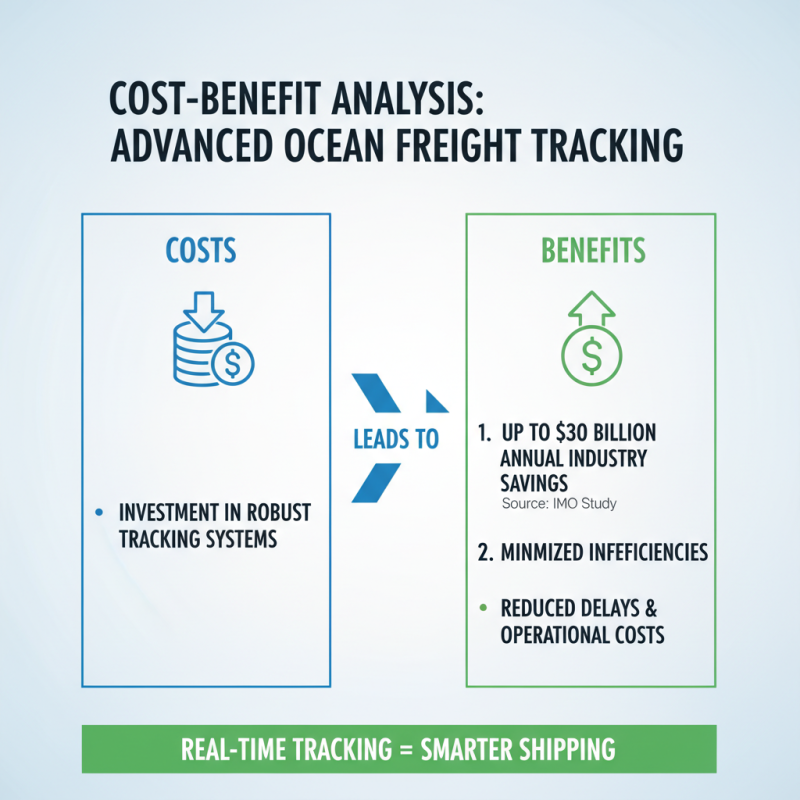
Implementing advanced ocean freight tracking solutions can lead to significant cost savings for shipping companies. A study by the International Maritime Organization indicates that inefficiencies in shipping logistics can cost the industry up to $30 billion annually. By investing in robust tracking systems, companies can minimize these inefficiencies. For example, real-time tracking can reduce delays, which often result in increased operational costs.
Advanced tracking technologies, like IoT devices and AI analytics, enhance visibility throughout the supply chain. According to a report by the World Economic Forum, companies that adopt such technologies see improvements in inventory management up to 20%. Improved tracking also facilitates better decision-making. However, the initial investment can be substantial. Many smaller businesses hesitate due to costs, which may reach up to 15% of their operational budget.
Yet, not all tracking solutions deliver equal benefits. Some companies report that they struggle with integration and data analysis. There is a learning curve involved. Adequate training of staff is essential, yet often overlooked. This can lead to wasted resources without realizing the full potential of these systems. Shipping businesses must weigh these factors carefully when making decisions about tracking solutions.