In the ever-evolving world of container freight, industry insights become crucial. Experts like John Smith, a veteran in container logistics, state, "Understanding container freight is key to navigating global trade." This statement underlines the complexities and significance of this industry.
Many shippers grapple with questions. They wonder about costs, routes, and delays. The container freight sector is not always straightforward. Issues can arise unexpectedly. From navigating port congestion to understanding tariff fluctuations, each aspect requires attention. Cargo can be lost or damaged, and delays impact business operations.
As we explore the top ten questions in container freight, we delve into the core of these challenges. These inquiries embody the uncertainties shippers face daily. With clear answers, businesses can make better decisions. It's essential to reflect on each question's implications and gain clarity in such a competitive field.
Container freight shipping can seem overwhelming. Many people have questions. Understanding the basics can demystify the process.
A container is a large, metal box. It’s designed to hold goods for transport. These containers come in standard sizes. Most common are 20-foot and 40-foot boxes. They help in efficiently transporting a variety of products. Some people worry about the costs involved. Prices can vary greatly. They depend on distance, weight, and destination.
Tracking shipments is another common concern. Modern technology helps with that. But sometimes, updates can be slow or inaccurate. This can create anxiety for shippers. Delays in customs clearance may also occur. It's essential to keep communication open. Relying solely on digital tracking isn’t always enough. Understanding these factors can help you navigate the complexities of container freight shipping more effectively.
Container freight rates are influenced by a variety of factors. The demand and supply of shipping capacity play a crucial role. As reported by the World Trade Organization, global trade volumes rose by 8% in 2021, significantly affecting container shipping costs. When demand spikes, rates tend to soar. Conversely, a decrease in demand often leads to lower prices.
Fuel prices also impact shipping rates. According to the International Maritime Organization, fuel costs constitute about 60% of the operating expenses in the shipping industry. Fluctuations in oil prices can lead to rapid changes in freight rates. In 2022, a surge in oil prices caused many shipping companies to adjust their rates, which affected overall shipping costs.
Another essential factor is the geopolitical climate. Port congestion and trade policies can create unexpected challenges. For instance, the recent sanctions and trade tensions have caused disruptions. These can lead to increased transit times and higher costs, intensifying the need for businesses to stay informed. Understanding these factors can help companies better prepare for fluctuations in container freight rates.
International container shipping faces numerous challenges. One major issue is congestion at ports. According to a recent industry report, delays at major ports increased by 30% in 2022. These delays impact delivery times and cost businesses significantly. Over 70% of cargo delays are attributed to port congestion, leading to frustrated customers and higher shipping rates.
Another challenge is managing shipping rates. Spot rates fluctuate greatly due to supply and demand. A study revealed that rates soared by over 200% during peak seasons. This volatility creates unpredictability for logistics managers. Many companies struggle to budget accurately when shipping costs change rapidly. As a result, businesses may underprice or overprice their services.
Additionally, compliance with regulations can pose difficulties. Customs procedures often lead to longer wait times. Reports indicate that nearly 20% of shipments face customs clearance delays. This can create a backlog and further escalate costs. Importers must stay updated on changing laws to avoid penalties. In this complex landscape, continuous improvement and proactive strategies are essential for success in container freight shipping.
| Question | Common Challenges | Solutions |
|---|---|---|
| What factors affect shipping costs? | Fuel prices, demand, port fees. | Regularly review contracts and work with forwarders. |
| How to track container shipments? | Need for real-time updates. | Use tracking software or services from carriers. |
| What is LCL shipment? | Risks of damage and longer transit times. | Opt for reputable consolidators, ensure proper packaging. |
| Customs clearance issues? | Delays due to missing paperwork. | Prepare documentation in advance, hire customs brokers. |
| How to avoid port congestion? | Delays and unpredictable costs. | Plan shipments during off-peak times, choose alternative ports. |
| What are demurrage and detention fees? | Additional costs for container hold-ups. | Quickly pick up and return containers as per agreements. |
| What is the role of freight forwarders? | Complex logistics management required. | Utilize forwarders for expertise in shipping processes. |
| Impact of weather on shipments? | Delays and potential damages. | Monitor forecasts and adjust schedules accordingly. |
| How to choose the right shipping line? | Variety in services and reliability. | Research reviews, compare rates and services. |
Understanding regulations and documentation is vital for container freight shipping. Each shipment requires specific paperwork. This includes the bill of lading, commercial invoices, and packing lists. Failing to provide accurate documents can lead to delays. These delays can be costly, impacting delivery times and customer satisfaction.
Customs regulations vary by country. Knowing these laws is crucial. Each port may have its own requirements. Misunderstandings can result in fines or cargo being held up. Some shippers overlook these details, thinking they are not important. However, they are critical for smooth transit.
Proper labeling is often neglected. Clear labels make a difference during inspections. This minimizes confusion for customs officials. Ensuring the right information is displayed helps speed up the process. Regular reviews of documentation practices can prevent many issues. Staying informed about changes in regulations is essential. Ultimately, a little attention to detail can save time and money.
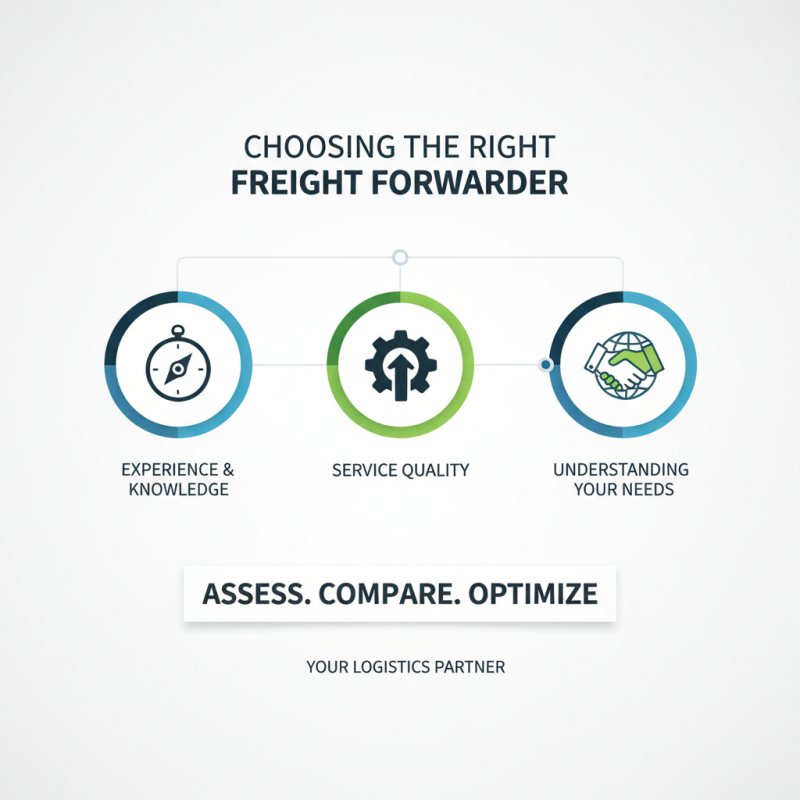
Choosing the right freight forwarder can be a challenging task. Not all forwarders are created equal. Some provide better services than others. Start by assessing their experience. An established company often has valuable industry knowledge. You want a forwarder who understands your specific needs.
Communication is essential. A good freight forwarder should offer clear updates throughout the shipping process. If they fail to communicate effectively, it can lead to misunderstandings. Ask potential forwarders how they handle issues. Every shipping journey can face hurdles like delays or customs problems.
Cost is another crucial factor. Get quotes from multiple forwarders. Compare their services and hidden fees. Low prices can sometimes indicate lower service quality. Reflect on what you really need. Sometimes, paying a bit more for reliable service saves money in the long run. Choose wisely, and it can lead to smoother shipping experiences.