How to Choose the Best Butane Cans for Your Needs?
Choosing the right Butane Cans is essential for safety and efficiency. In 2022, the global butane market size was valued at approximately $45 billion. This reflects growing demand across multiple industries, including culinary uses and camping. With a range of options available, the choice can be overwhelming for consumers.
Reliable butane cans differ in quality, durability, and compatibility with various devices. According to industry reports, over 30% of users have experienced issues with substandard products. This emphasizes the importance of selecting cans that meet safety standards. Labels should display certifications from recognized authorities to ensure reliability.
Checking for proper usage instructions is crucial. Many consumers overlook this detail, leading to safety hazards. Each brand may have specific storage and usage recommendations that impact performance. By prioritizing informed choices, consumers can avoid potential mistakes and enhance their experience with butane cans.
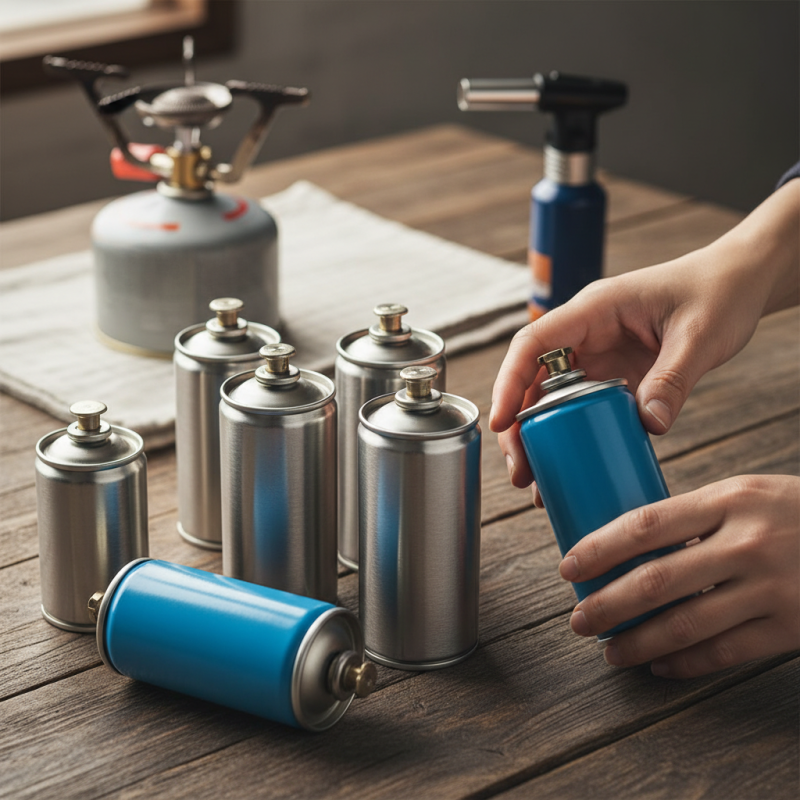
Factors to Consider When Selecting Butane Cans for Cooking Needs
When selecting butane cans for cooking, several factors come into play. The can size matters greatly. Smaller cans are lightweight and portable, ideal for camping. Larger cans provide longer burn times, making them suitable for extensive cooking sessions at home. Consider how often you cook outdoors versus indoors. This balance influences your choice.
Another critical aspect is the can's compatibility with your cooker. Different models require specific butane types. Checking manufacturer recommendations can avoid hazardous situations. Furthermore, look at safety features. Some cans have an automatic shut-off or pressure relief valve, enhancing safety during use.
Cost is also a consideration. Higher-priced cans often signal better quality and reliability. However, cheaper options may suffice for occasional use. Remember that not all butane cans undergo the same level of testing and standards. Researching your options can help identify reputable cans. Think about what you require. Reflect on your cooking habits and the environments you'll be in. Balancing these factors can lead to a more informed decision.
Butane Can Selection Criteria and Preferences
Types of Butane Cans: Understanding Canister Varieties and Applications
When selecting butane cans, understanding the types available is crucial. There are two primary types: canister-style and torch-style. Canister-style cans, often used in camping stoves, feature a screw-on valve. They provide consistent pressure and are convenient for outdoor activities. According to industry data, approximately 60% of outdoor enthusiasts prefer canister-style options due to their usability.
Torch-style butane cans are designed for tasks requiring intense heat, such as soldering or culinary applications. These cans typically have a nozzle for direct flame control. They are favored by professionals in specific industries. Reports indicate that about 25% of butane consumption comes from DIY and culinary uses. However, safety concerns arise with improper handling. Some users neglect proper storage guidelines, leading to potential hazards.
It's essential to match the canister type with your needs. Using the wrong type can lead to inefficiency or even dangerous situations. As observed, about 15% of all butane-related incidents stem from user error. Understanding these types and applications ensures better safety. Careful choice in butane canisters can enhance both performance and safety in your projects.
Safety Standards and Regulations for Butane Canisters in the Market
When selecting butane canisters, safety must come first. These products operate under high pressure and need to meet strict safety standards. Regulatory bodies ensure that canisters are made with durable materials and have proper valve systems. Always check if the canisters you consider comply with recognized safety standards.
Tips to ensure safety include inspecting the canister for any damage before use. A small dent can pose a risk. Also, avoid using canisters past their expiration date. Ensure the storage environment is cool and well-ventilated. This reduces the risk of accidental ignition.
Using butane safely also means using the correct canister with compatible appliances. Mismatched products can lead to leaks and dangerous situations. Always read the manufacturer’s instructions for compatibility. It's essential to remain educated about updates in safety regulations, as standards can change based on new findings. Safety is an ongoing process.
How to Choose the Best Butane Cans for Your Needs?
| Feature | Description | Safety Standard Compliance | Capacity (grams) | Typical Uses |
| Material | Typically made from steel or aluminum. | ANSI Z21.13 | 220g | Portable stoves, lighters |
| Regulatory Mark | Look for CE, UL, or other regulatory marks indicating safety. | CE Mark | 340g | Camping, outdoor cooking |
| Nozzle Type | Different nozzles for various devices (screw-on, push-button). | ISO 9994 | 130g | Lighters, culinary torches |
| Shelf Life | Generally shelf stable for several years if stored properly. | FDA Regulations | 400g | Industrial applications |
| Storage Conditions | Store in a cool, dry place away from heat sources. | OSHA standards | 300g | Heating, powering tools |
Evaluating Butane Canister Brands: Performance and Consumer Reviews
When evaluating butane canister brands, performance and consumer reviews play a crucial role. A study by the American Gas Association highlighted that nearly 70% of users prioritize reliability over price. Quality butane canisters ensure consistent performance, which is vital for cooking and outdoor activities. Consumer reviews often spotlight canisters that endure extreme temperatures. In colder climates, users reported a 30% decrease in efficiency with lower-quality options.
Tips for selecting the right canister include checking for safety certifications. Look for canisters that meet industry standards. Consider weight and portability for camping or hiking purposes. Users often share that lightweight options enhance their overall experience.
Balancing performance and affordability is tricky. Some canisters that are inexpensive may have poor reviews on durability. Investing a bit more upfront can prevent frustration later on. Remember, not all products work for every user. Reading detailed reviews can guide decisions based on specific needs.
Cost-Effectiveness: Analyzing Investment in Butane Cans Over Time
When evaluating the cost-effectiveness of butane cans, it's essential to consider long-term use and efficiency. Over time, investing in high-quality cans can lead to significant savings. Lower-priced options may seem appealing, but they often require more frequent replacements. This adds to the overall cost. A single reliable can, used properly, can last much longer.
Analyzing your usage patterns helps to make smarter choices. For example, camping trips may require more fuel than everyday use at home. It's crucial to think about how often you will refill and when you will need replacement cans. Sometimes, the cheapest option is not the best in terms of durability and performance. A poor-quality can may leak or fail, leading to wasted fuel and money.
Understanding the efficiency of different butane cans also plays a role in your investment. Some cans produce more heat per ounce, providing better value in the long run. Comparing these factors can be overwhelming. However, it will ultimately guide you to a more informed decision. Investing in cost-effective cans means finding a balance between price and reliability.