Why Choose Butterfly Valve for Your Industrial Needs?
The Butterfly Valve has gained significant traction in the industrial sector due to its unique design and operational efficiency. According to a recent report by MarketsandMarkets, the global valve market is expected to reach $89.4 billion by 2025, with butterfly valves sharing a notable percentage of this growth. Their lightweight structure and quick operation make them ideal for various applications, from water treatment to oil and gas.
Butterfly Valves are particularly favored for their low pressure drops and compact size, unlike other valve types. These attributes lead to both energy efficiency and cost savings. A study published in the Journal of Chemical Engineering notes that using butterfly valves can improve system performance in fluid control by up to 30%. However, it’s crucial to select the right type and ensure proper installation, as ill-fitting valves can lead to leaks and inefficiencies.
Despite their advantages, butterfly valves are not without challenges. They should be carefully chosen based on the specific application's requirements. The wrong choice can hinder overall system effectiveness. Thus, understanding the unique features of butterfly valves is essential for achieving optimal results in industrial applications, making it vital to weigh the pros and cons thoughtfully.
Understanding Butterfly Valves: Fundamentals and Design
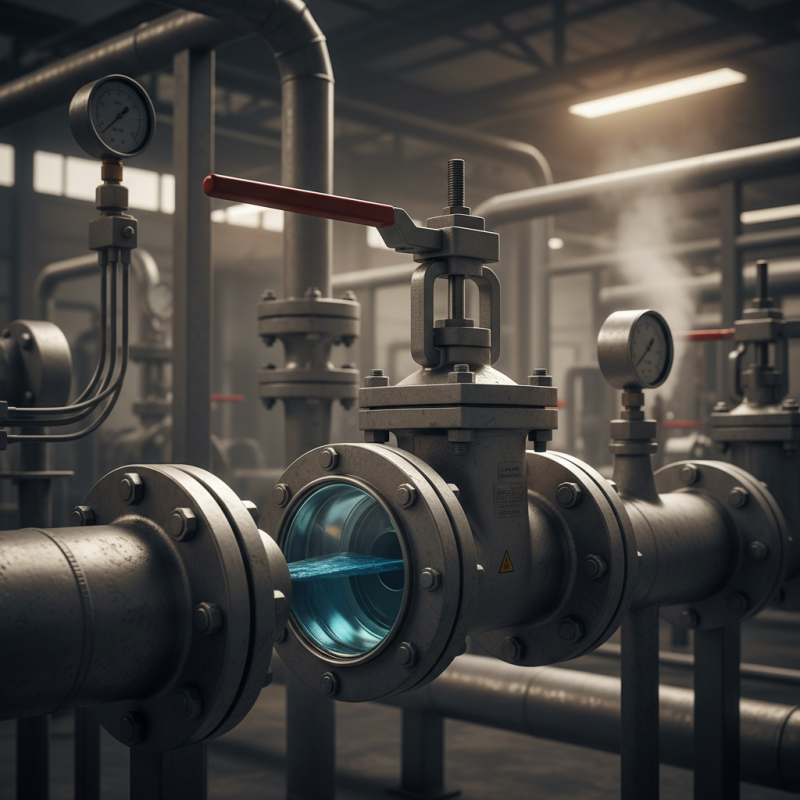
Butterfly valves are an essential component in many industrial applications. Understanding their design and functionality is crucial. These valves operate on a simple principle: a disk rotates to control fluid flow. Their compact design allows for efficient sealing and minimal friction loss. The simplicity in structure makes them easier to maintain compared to other valves. However, this can also lead to challenges.
The materials used in butterfly valves greatly influence their durability and performance. Common materials include cast iron, stainless steel, and plastic. Each material has unique properties, affecting resistance to corrosion and temperature. It's important to choose the right material for your specific application. Over time, despite their reliability, wear and tear can impact performance and seal integrity. Regular inspections are essential to ensure their efficiency and reliability.
Design variations exist, each tailored for specific applications. Some have a resilient seating, while others feature a metal-to-metal seat. These differences can affect how well the valve performs under varying pressures and temperatures. Users should consider these factors to optimize their operations. Misjudging these elements can lead to unexpected failures. Reflecting on past experiences can guide future decisions in valve selection and application.
Key Advantages of Butterfly Valves in Industrial Applications
Butterfly valves are a popular choice in industrial applications for several reasons. Their simple design allows for easy operation and maintenance. They consist of a disc that rotates to control flow, making them efficient for processes requiring quick adjustments. This functionality is crucial in environments where timing and precision are key.
One key advantage is their compact size. Butterfly valves can fit in tight spaces, which is essential for many industrial setups. They minimize the need for additional piping and can reduce overall installation costs. However, it’s important to assess if their size impacts flow characteristics in specific applications. Some engineers note that, in certain situations, pressure drops may be higher than expected.
Durability is another critical factor. Butterfly valves are designed to withstand extreme pressures and high temperatures. They can handle various fluids, but users must ensure compatibility with the materials. Failure to consider chemical reactions can lead to premature wear. Responsible selection and installation are vital to maximize their lifespan and performance in industrial settings.
Comparative Analysis: Butterfly Valves vs. Other Valve Types
When selecting valves for industrial applications, understanding the differences between butterfly valves and other types is crucial. Butterfly valves offer a unique design that allows for quick opening and closing, making them ideal for flow modulation. Unlike ball valves, they occupy less space and are lighter, which can lead to savings in installation costs. However, when utilizing butterfly valves, it's essential to consider the specific application and medium. In high-pressure systems, other valve types might perform better.
Tips: Regular maintenance can enhance the lifespan of butterfly valves. Always check seals for wear.
Another aspect to consider is the flow characteristics. Butterfly valves provide a linear flow curve, which can be advantageous in certain processes. In contrast, globe valves are better suited for throttling applications due to their shape. Still, butterfly valves are often preferred in large systems for their efficiency. It's critical to evaluate the environmental conditions, as extreme temperatures can affect the performance of various valve types.
Tips: Choose the right materials for your butterfly valve to withstand the medium. Check compatibility before installation.
Ultimately, while butterfly valves present several benefits, they may not be the best option for every situation. Analyzing the specific needs of your system will guide you in the right direction. Take time to reflect on past valve performance. Balancing cost, efficiency, and operating conditions is essential for optimal results.
Installation and Maintenance Considerations for Butterfly Valves
When it comes to installing butterfly valves, attention to detail ensures optimal performance. Proper alignment is crucial. Misalignment can lead to increased wear and tear. It is vital to follow manufacturer guidelines strictly. Additionally, using suitable mounting hardware is essential to secure the valve effectively.
Maintenance is another critical aspect. Regular inspections are necessary to identify wear patterns. Look for signs of leakage or corrosion around the valve seals. Routine cleaning helps prevent buildup that can affect functionality. Lacking attention here can lead to significant issues down the line.
Many operators overlook the manual operation of butterfly valves. This can lead to operational inconsistencies. Training staff on proper usage is key. Continuous education ensures everyone understands the potential risks of improper handling. Emphasizing hands-on practice will help reinforce the standards needed for long-lasting valve performance.
Common Applications of Butterfly Valves in Various Industries
Butterfly valves are widely used across various industries due to their simple design and efficiency. They are often found in water treatment plants. These valves control flow with a rotating disc. This mechanism creates less turbulence compared to other valve types. Industries benefit from their compact size, which allows for easy installation in tight spaces.
In the chemical industry, butterfly valves serve critical functions. They handle corrosive substances, offering reliability in harsh environments. Their lightweight construction reduces stress on piping systems. This feature can lead to lower installation costs. In HVAC systems, butterfly valves regulate airflow, enhancing energy efficiency. This application is essential for maintaining optimal climate control in buildings.
While butterfly valves are versatile, they have limitations. For instance, they may not perform well in high-pressure applications. Understanding these weaknesses is essential for choosing the right valve. Valves must align with specific operational needs for effective performance. Selecting the right type demands careful consideration of all factors involved.
Common Applications of Butterfly Valves in Various Industries