2026 How to Choose the Best Sea Freight Options for Your Business?
Choosing the right sea freight option can significantly impact your business operations. Expert David Thompson, a seasoned logistics professional, once said, “The right sea freight choice defines your supply chain efficiency.” Understanding the nuances of sea freight is crucial for companies aiming for success in global markets.
In the vast ocean of sea freight options, various factors come into play. Costs, delivery times, and reliability must be examined closely. Each decision carries weight. A poor choice can delay shipments and escalate expenses. Companies must reflect on their specific needs before making commitments.
Moreover, businesses often overlook the importance of communication with freight partners. Clear dialogue helps avoid misunderstandings. Ultimately, the sea freight journey is not without its challenges. Companies should remain open to learning and adapting their strategies as they grow in this dynamic field. The quest for the best sea freight option is a continuous process that requires vigilance and thoughtful consideration.

Understanding Sea Freight: An Overview for Businesses
Understanding sea freight is crucial for businesses looking to expand globally. It’s not just about moving goods from one port to another. The process is complex, involving logistics, customs, and timing. Many companies underestimate these factors. They may assume all freight options are equal. This can lead to delays and extra costs. Every decision counts.
When choosing sea freight, consider the volume of goods. Large shipments often benefit from container shipping. It’s typically more cost-effective than air freight. However, smaller shipments can be tricky. They may not fill a container. Businesses should weigh the trade-offs. Additionally, companies need to think about transit times. Shipping by sea can take weeks, impacting inventory and sales.
Some businesses overlook supplier reliability. If the supplier has a history of delays, it might affect your operations. Researching potential partnerships is key. Also, consider the environmental impact of sea freight. Are there more sustainable options available? Reflecting on these elements can help avoid mistakes and enhance efficiency.
Key Factors to Consider When Choosing Sea Freight Options
When selecting sea freight options for your business, several key factors come into play.
Cost is a significant determinant. Understand the pricing structure, including
base freight charges and additional fees. Some carriers may offer lower upfront costs but
higher surcharges that can inflate your final invoice. Always ask for a detailed breakdown.
This helps you avoid
hidden expenses that might surprise you later.
Timing is another crucial consideration. Different sea freight options have varying transit
times. If your business relies on swift delivery, you need to factor in these differences.
Some options may promise faster delivery but might involve premium pricing. Conversely,
slower options can save money but may impact your inventory management.
Choose carefully based on your business needs.
The reputation of the carrier is important
but often overlooked. A trusted carrier can provide reliable service, while a
less reliable option
can lead to delays or damaged goods. Research online reviews and seek recommendations.
It's worth spending time on this to minimize future frustrations. Sometimes,
smaller carriers can also offer personalized service that larger companies lack.
Balancing cost, speed, and reliability can be
challenging, but it’s essential for effective logistics.
Types of Sea Freight Services and Their Benefits
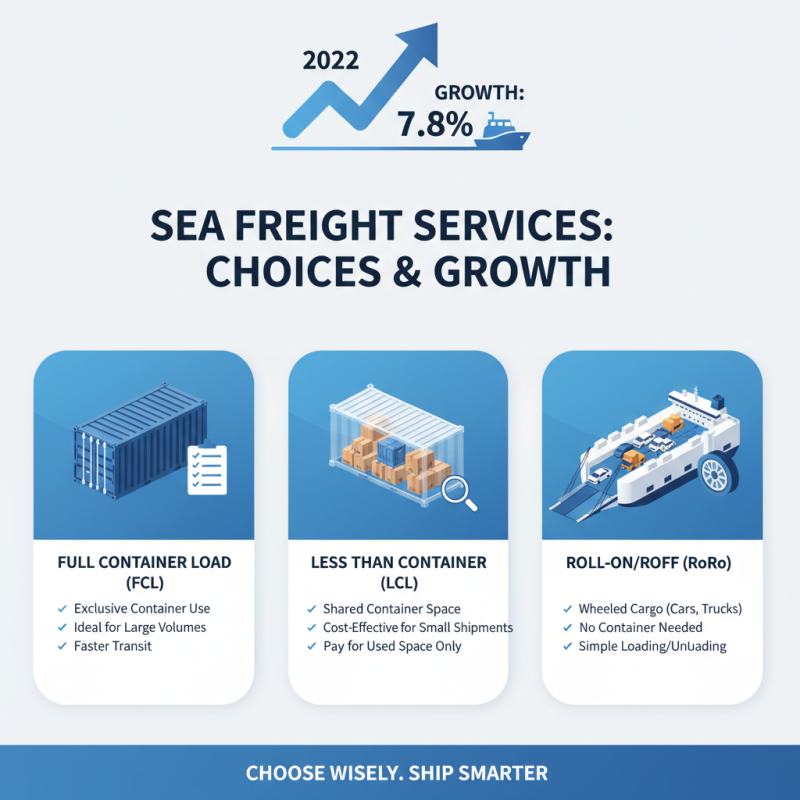
When selecting sea freight services, understanding the types available is crucial. The main options include Full Container Load (FCL), Less than Container Load (LCL), and Roll-on/Roll-off (RoRo). Each type has unique advantages suited to different business needs. In 2022, the estimated growth in sea freight volumes reached 7.8%, highlighting the importance of making informed choices.
FCL is ideal for larger shipments. It offers exclusive use of the container. Businesses can expect faster transit times and reduced risk of damage. On the other hand, LCL allows for cost-effective shipping for smaller loads. Sharing container space saves money but may lead to longer delivery times. Understanding these options can save companies significant amounts on logistics.
Consider these tips:
1. Analyze shipment frequency to determine if FCL or LCL is better suited for your needs.
2. Always check for hidden fees that can inflate shipping costs.
3. Evaluate port accessibility to minimize delays.
This data-driven approach ensures that businesses optimize their supply chain effectively. It’s essential to reflect regularly on shipping strategies. Adaptation is key to navigating fluctuating market demands.
Cost Considerations: Budgeting for Sea Freight Solutions
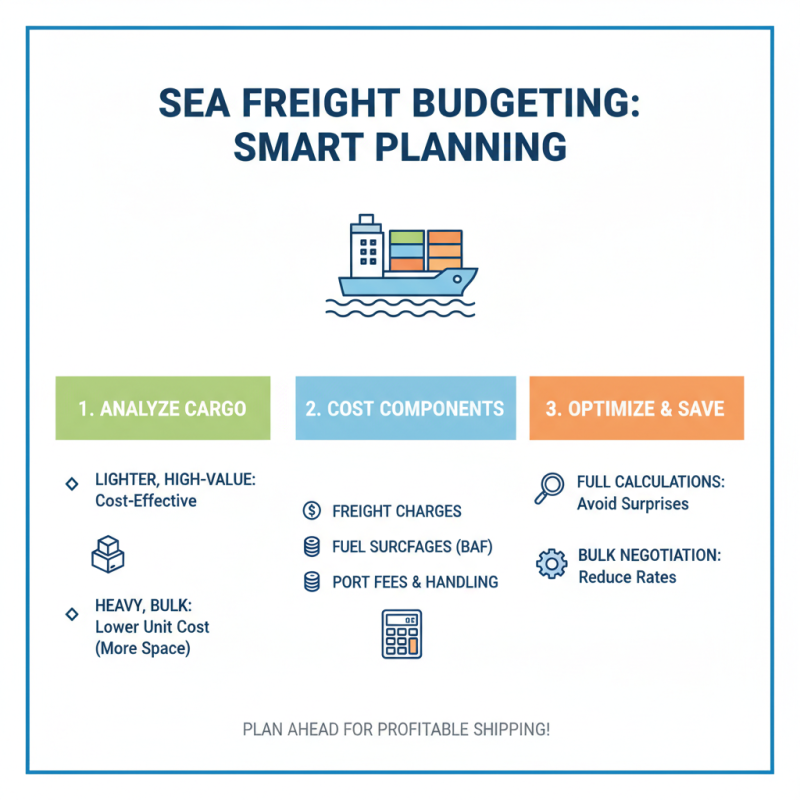
Budgeting for sea freight solutions requires careful planning. Start by analyzing your volume of goods. Lighter, high-value items may be more cost-effective. Bulk shipping can lower costs for heavy goods, but it needs more space. Understand the different cost components. Freight charges, fuel surcharges, and port fees all add up. Do your calculations to avoid surprises.
Consider the impact of delivery times on your budget. Faster shipping often incurs higher costs. Weigh the benefits of speed against your overall expenses. In some cases, a delay might save you money. Evaluate all quotes diligently. Sometimes, what seems cheaper at first has hidden fees. Look for transparent pricing options that detail every cost.
Stay flexible as conditions change. Economic factors or seasonal changes can affect prices. Regular reviews of your freight strategy will help you adapt. Create a contingency budget for unexpected expenses. This could save you from financial strain. Thoughtful budgeting will help you pick the best sea freight option for your business.
Evaluating Freight Forwarders: Selecting the Right Partner for Your Needs
Choosing the right freight forwarder is crucial for effective sea freight operations. Consider that around 90% of global trade relies on shipping. A reliable partner can streamline your logistics and save costs. The right forwarder enhances shipment tracking and communication. It’s essential to assess their experience and reputation in the industry.
When evaluating freight forwarders, look for transparency in their pricing. Many companies report hidden fees that increase overall costs. According to industry data, companies that clarify costs upfront enjoy up to 20% savings. Additionally, strong customer support is vital. Poor communication can lead to delays and misunderstandings. Seek partners with a solid history of resolving issues promptly.
Consider the geographic network of potential forwarders. A limited reach might delay shipments. In fact, companies with established global networks see 15% faster delivery times. Check references and read reviews from other customers. Yet, remember that even reputable forwarders can encounter challenges. Reflect on their strategies for overcoming obstacles. These considerations are crucial in selecting a freight forwarder that meets your specific needs.
2026 Sea Freight Options Evaluation