How to Choose the Best Ocean Freight for Your Shipping Needs?
Choosing the right ocean freight solution is vital for successful shipping. John Smith, a seasoned ocean freight expert, once said, “The right choice can save money and time.” Understanding your needs is essential in this process.
When selecting ocean freight, consider your cargo type. Different goods have varying requirements. For example, refrigerated items need special handling. Timing can also complicate decisions. Delays in ocean freight can lead to significant costs.
Reflect on your past experiences. Did a low rate impact service quality? Were you satisfied with the delivery times? Every decision shapes future outcomes. The ocean freight industry is complex, and clarity is often lacking. It’s crucial to ask the right questions to avoid pitfalls.
Identifying Your Shipping Requirements for Ocean Freight
When choosing ocean freight, it’s important to clearly identify your shipping requirements. Start by determining the type of goods you will transport. Different products have varying needs. For instance, perishables require temperature control. Hazardous materials have strict regulations. Knowing what you’re shipping will guide your decisions.
Consider your budget carefully. Ocean freight can vary in costs based on several factors. Use a reliable cost calculator to get estimates. Compare these with your financial limits. Don’t forget about possible hidden fees that can add up. Aim for a balance between cost and service quality.
**Tips:** When assessing freight forwarders, ask about their experience with your specific goods. It's worth reaching out for recommendations. A good forwarder can help you avoid common pitfalls. Stay flexible with timelines. Unforeseen delays happen, so build in extra time. Always read reviews, but take them with a grain of caution. Sometimes they may not reflect true experiences accurately.
Understanding Different Types of Ocean Freight Services
When choosing ocean freight services, understanding the types available is crucial. There are mainly three service types: Full Container Load (FCL), Less than Container Load (LCL), and roll-on/roll-off (RoRo).
FCL is ideal for larger shipments. It typically requires a whole container, making it more cost-effective for bulky goods. Reports suggest FCL offers a 20% lower average cost per unit compared to LCL.
LCL, on the other hand, allows for consolidation. This service is beneficial for smaller shipments. It can be less costly upfront, but the trade-off is a longer transit time. Shippers might wait for others to fill a container. According to industry statistics, using LCL can extend shipping times by up to 30%.
RoRo services cater to vehicles and machinery. This method is straightforward. Vehicles are driven on and off the ship, minimizing handling risks. However, the limited availability of RoRo services can create more logistical challenges. It’s essential to weigh these details carefully. Choosing the right service isn't always clear-cut. Each option has its pros and cons, which need reflection before making a decision.
Evaluating Freight Forwarders and Carriers for Your Needs
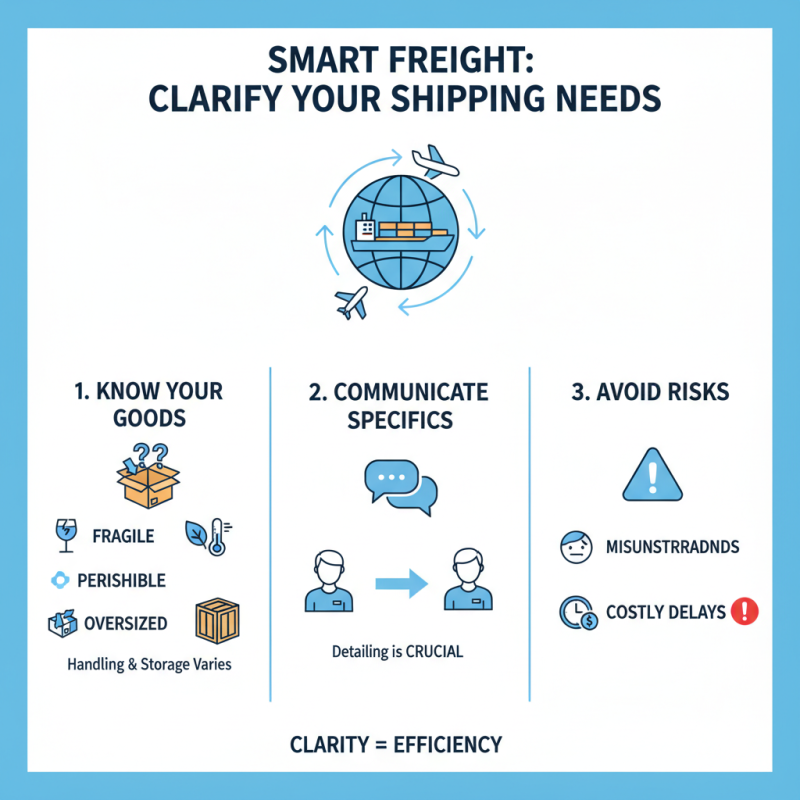
When evaluating freight forwarders and carriers, clarity in your shipping needs is paramount. Consider the types of goods you are transporting. Are they fragile, perishable, or oversized? Each category requires different handling and storage capabilities. It’s essential to communicate these specifics to your freight forwarder. Lack of detail may lead to misunderstandings, and that could result in costly delays.
Additionally, look into the carrier's reliability. Research their track record on timely deliveries. Check customer reviews and industry ratings. A low-cost option may seem appealing but can lead to issues down the line. Frequent delays or damaged goods can offset any savings. Understanding transit times and potential risks is vital. The ideal partner should not only fit your budget but also align with your timelines.
Finally, consider the level of customer service offered. A freight forwarder should be approachable and proactive in addressing your concerns. Poor communication can lead to frustration. Ask about their process for updates. If they don't provide clear answers, think twice. Your goods deserve care, and finding the right partner is crucial.
Comparing Costs and Pricing Structures in Ocean Freight
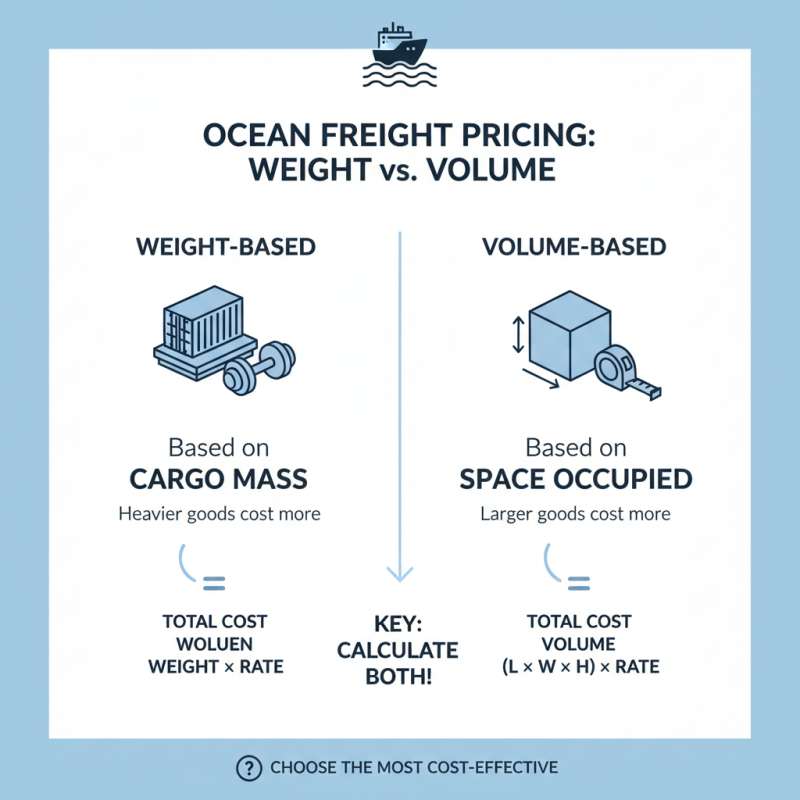
When choosing ocean freight, understanding costs is essential. The pricing structure varies greatly. Some companies charge based on weight, while others consider volume. Each method can significantly affect your total shipping expenses. Make sure to calculate both options to see which suits your needs better.
There are additional fees to keep in mind. Port charges, fuel surcharges, and customs fees can add up quickly. Not every provider is transparent about these costs. Sometimes, hidden fees emerge at the last minute. Request a detailed breakdown of all potential charges upfront. It is crucial for managing your budget effectively.
Finally, ensure you consider transit times along with costs. A cheaper rate may involve longer shipping times. Sometimes, it is better to invest a bit more for faster delivery. Reflect on what matters most for your business. Balancing cost with efficiency can make or break your shipping experience.
Assessing Transit Times and Delivery Options in Ocean Shipping
Choosing the right ocean freight involves assessing transit times and delivery options effectively. Transit times vary widely based on shipping routes, seasonal demand, and port congestion. It’s essential to understand these factors when planning your shipments. A longer transit time may be more economical but could lead to inventory shortages.
When evaluating delivery options, consider both speed and reliability. Some carriers offer expedited services that promise quicker delivery. However, these come with higher costs. Be mindful of your budget and delivery timelines. Plan for delays caused by weather or customs. These can affect your supply chain.
**Tips:** Track your shipments regularly. This helps in identifying potential delays early. Engage with multiple carriers to compare services and costs. Don’t hesitate to ask questions. Each freight forwarder might have unique solutions that can fit your needs. Always reevaluate your shipping strategy to stay aligned with business goals.
Ocean Freight Transit Times and Delivery Options
This chart displays the average transit times for various ocean freight shipping routes. Understanding these times can help you choose the best options for your shipping needs.