How to Choose the Best AC EV Charger for Your Needs?
Choosing the right AC EV Charger is crucial for electric vehicle owners. The market is growing rapidly, projected to reach $5.1 billion by 2026. This reflects a 24% annual growth rate in the electric vehicle charging sector. Selecting an AC EV Charger requires careful consideration of individual needs and preferences.
Factors such as power output, compatibility with your vehicle, and installation requirements play significant roles. An underpowered charger may lead to longer charging times. Meanwhile, features like smart charging can enhance your experience. Advanced models can optimize energy use based on your patterns, though they often come at a premium price.
Many consumers struggle with choices in the vast market. Incorrect assumptions about charging speed can lead to dissatisfaction. It’s essential to research and understand the specifications of each option. Personal experiences and reviews can provide valuable insights but may also reflect individual biases. Hence, rely on multiple trusted sources to ensure a well-informed decision. A solid AC EV Charger can significantly enhance daily driving convenience, highlighting the importance of making the right choice.
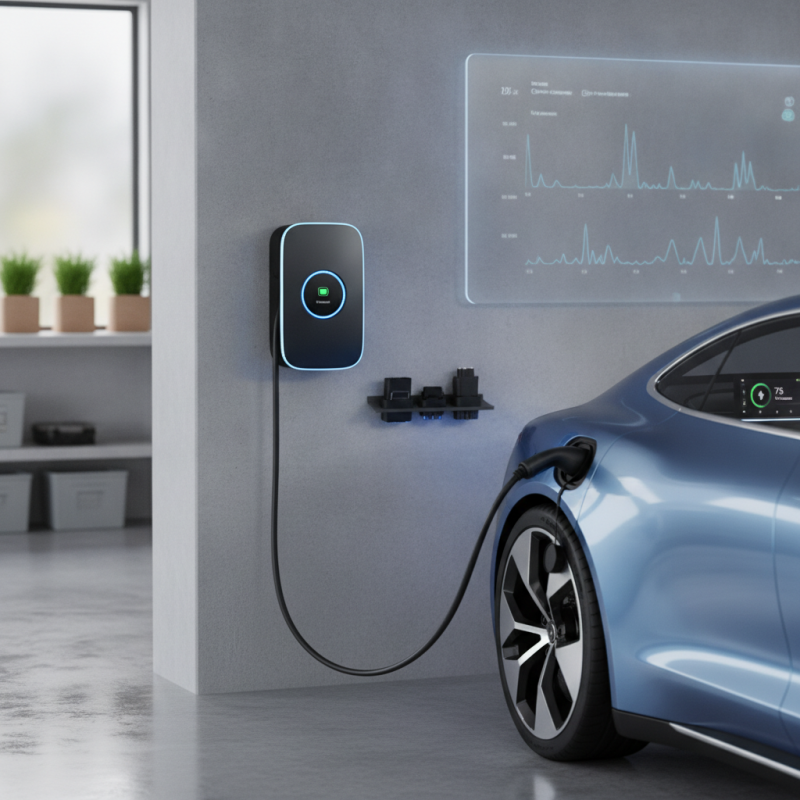
Understanding the Different Types of AC EV Chargers Available
When choosing an AC EV charger, it’s essential to understand the different types available. Level 1 chargers use a standard household outlet. They are the simplest option but can be slow, taking up to 12 hours to fully charge. This may work for urban dwellers who charge overnight. However, for those needing faster solutions, relying solely on Level 1 may not be ideal.
Level 2 chargers are more popular among EV owners. They provide a balance of speed and convenience, charging a vehicle in about 4 to 8 hours. These chargers typically require a dedicated electrical circuit. Understanding your home’s electrical capacity is crucial. You might need to consult an electrician to assess if upgrades are necessary.
There are also smart chargers, offering features like remote monitoring and scheduling. They can optimize charging times based on electricity rates. However, they can be more complex and may not suit everyone. It’s important to analyze your daily driving habits and power needs. This ensures you select a charger that truly fits your lifestyle and needs.
Evaluating Your Electric Vehicle's Charging Requirements
When evaluating your electric vehicle's charging requirements, it's crucial to consider your driving habits. Think about how far you typically drive each day. If you have a long commute, select a charger with a higher power rating. A faster charger can replenish your vehicle during short stops or overnight.
Consider your home's electrical system. Check the amperage of your circuit. If your home has low amperage, a Level 2 charger might not be the best fit. In such cases, a Level 1 charger may be more suitable. This option charges slowly but requires less electrical load.
Don't forget to factor in your EV's battery size and charging capabilities. Some vehicles can handle faster charging, while others may not. Research your EV model's specifications. It’s a fine balance between charger capabilities and your vehicle's needs. Understanding this can lead to a more informed purchasing decision.
Assessing Power Output and Charging Speed for Your Needs
When choosing an AC EV charger, assessing power output and charging speed is crucial. Different electric vehicles (EVs) support various charging capacities. According to the U.S. Department of Energy, Level 2 chargers typically offer power outputs ranging from 3.3 kW to 22 kW. This variance directly impacts charging speed and overall convenience. A home charger with higher power output can significantly reduce charging time, allowing users to charge their vehicles overnight effectively.
Also, consider how often and where you’ll be charging your EV. Many daily commuters may only need a 7.2 kW charger, which can fully charge an average EV in about 8 hours. For those with larger battery packs or who require quicker turnarounds, a higher output charger is vital. A study by the International Energy Agency suggests that faster charging options may lead to increased EV adoption rates. However, rapid charging is not without drawbacks; it may lead to battery health degradation over time if used excessively.
Moreover, the infrastructure surrounding charging stations can affect your decision. Accessibility to high-output chargers in your area can limit your choices. Without sufficient charging options, higher output chargers become less relevant. Reflecting on your charging habits and local resources is essential when selecting the right AC EV charger. Balancing power needs and practical constraints will guide your decision.
Considering Installation Options and Space Requirements
When choosing an AC EV charger, considering installation options is paramount. There are various aspects to evaluate, including the type of outlet needed and the power supply available. Assess the location where the charger will be installed. Is it a garage, outdoor space, or carport? Each setting has different installation needs.
Space requirements are equally crucial. Ensure there is sufficient room around the charger for ease of access. A cluttered area can complicate the charging process. Think about future expansion as well. If you plan to buy additional electric vehicles, space for multiple chargers might be necessary.
Installation often involves professional help, which adds to the cost. Reflect on your budget and see if a DIY option is feasible. An improperly installed charger can lead to safety hazards or inefficient charging. Evaluate whether the investment is worth it in the long run. Being prepared can lead to a smoother charging experience.
Budgeting for Your AC EV Charger: Costs and Potential Savings
When budgeting for your AC EV charger, understanding costs is essential. Installation fees often increase the total price. Depending on your location, labor costs can vary significantly. Some homeowners may opt for DIY installation to save money. However, this requires technical skills and knowledge of electrical systems.
Consider the energy costs associated with charging your EV. Your utility rate will impact your overall spending. Time-of-use rates can lead to significant savings if you charge during off-peak hours. Estimate your monthly charging needs based on your driving habits. This helps in calculating potential savings.
It's important to think about the long-term benefits as well. Efficient charging can reduce your fuel costs over time. There may be tax incentives or rebates available for EV charger installations. Research local programs to maximize savings. Yet, not every deal is worthwhile. Always question the reliability of offers. Balancing immediate costs with future savings can be challenging but necessary.