Contact Us 440-356-5353

How to Choose an Automatic Zipper Machine in 2026?

Choosing an automatic zipper machine in 2026 requires more than comparing speed claims. A factory floor reveals details that brochures often miss. Watch the machine feed zippers, align teeth, and handle different tapes during a live trial. Small jams matter. They can delay an entire production line. Buyers should match the machine with zipper type, material, width, and daily output. Nylon, metal, and invisible zippers may require different settings. Fabric thickness also changes feeding stability and sealing performance. A reliable evaluation begins with samples from actual orders, not ideal laboratory pieces. Record cycle time, defect rates, operator adjustments, and noise levels. These observations create a useful baseline.

In 2026, controls, sensors, energy use, and maintenance access deserve equal attention. Ask manufacturers for technical drawings, warranty terms, training plans, spare-parts availability, and documented test results. Independent certifications should be verified through recognized issuing bodies. Do not rely on polished videos alone. A strong supplier explains limitations clearly and supports installation after delivery. Experienced technicians should inspect tension systems, cutters, guides, and emergency stops before acceptance. Total cost includes electricity, downtime, tooling, labor, and service travel. The cheapest automatic zipper machine may become expensive after repeated adjustments. Still, no checklist guarantees a perfect purchase. Production conditions change, and supplier promises can age quickly. Recheck critical claims with your own materials and operators. This guide examines practical selection criteria, helping manufacturers make a defensible decision without confusing automation with quality.

How to Choose an Automatic Zipper Machine in 2026?

Automatic Zipper Machines: Definition, Uses, and Core Functions

How to Choose an Automatic Zipper Machine in 2026?

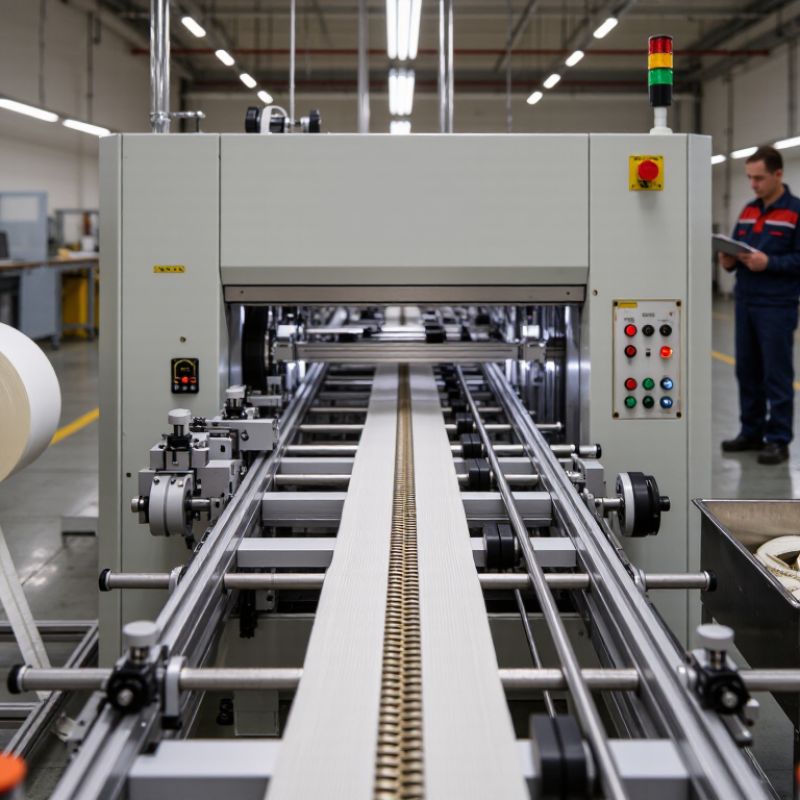
An automatic zipper machine feeds, positions, sews, cuts, or checks zipper components with limited manual handling. Its exact function depends on the production model. Some machines attach zippers to garments, while others process zipper chains or finished lengths. Common applications include jackets, trousers, bags, footwear, upholstery, and household textiles. The machine should match the zipper type, fabric thickness, and required output.

Core functions deserve close attention. Look for stable material feeding, accurate zipper alignment, adjustable stitch settings, automatic thread trimming, and reliable end-stop processing. Sensor systems can detect misalignment or missing components before defects spread. A clear control panel also helps operators change sizes without lengthy adjustments. In a busy workshop, quick setup matters as much as maximum speed.

Do not choose by speed alone. A machine rated for high output may struggle with elastic fabric or thick layered seams. Test your actual materials, including coated fabrics and different zipper tapes. Ask for sample results, maintenance intervals, noise levels, and spare-part availability. In practice, small alignment errors can create expensive rework. Automation reduces repetitive labor, but it does not remove the need for skilled inspection. The overlooked issue is operator training. A sophisticated machine can still produce poor seams when settings are misunderstood. Reviewing defect records after installation may reveal that a slower, simpler model fits better.

How to Choose an Automatic Zipper Machine in 2026?

Automatic Zipper Machines: Definition, Uses, and Core Functions

The chart presents a practical evaluation framework for selecting an automatic zipper machine. Production capacity and compatibility should receive the highest priority, followed by automation level, finished-product quality, changeover flexibility, safety, energy efficiency, and maintenance access. Confirm the machine’s actual speed, zipper size range, material compatibility, power requirements, and compressed-air requirements before purchasing.

Identify Your Zipper Types, Materials, and Production Requirements

How to Choose an Automatic Zipper Machine in 2026?

Identify your zipper type before comparing machine speed. Coil zippers need smooth tape feeding and controlled tooth alignment. Molded plastic zippers require stable heating, cutting, and precise end-stop placement. Metal zippers demand stronger punching components and careful debris control. Invisible zippers need softer handling, because small alignment errors can distort the finished seam. The American Society for Testing and Materials lists slide fastener testing under ASTM D2061, including strength and component performance. That standard should guide your acceptance tests.

Material selection also affects machine configuration. Polyester and nylon tapes may require different tension settings, needle choices, and sealing temperatures. Textile Exchange reported that global fiber production reached about 132 million tonnes in 2023. It also expects production to approach 160 million tonnes by 2030.

This growth increases demand for recycled and blended materials, but recycled tapes may vary slightly between batches. Test them.

Production requirements decide whether automation actually saves time. Record zipper width, length, slider style, daily output, changeover frequency, and allowable defect rates. A machine running 100 pieces per minute may perform poorly if operators need thirty minutes between sizes.

In a factory trial, inspect feeding stability, cut accuracy, noise, waste, and emergency-stop access. Ask for sample runs using your own tape.

Supplier data can look perfect. Real materials often disagree. That is where my earlier assumptions changed. Expect some adjustment.

Compare Machine Feeding, Closing, and Control Systems

How to Choose an Automatic Zipper Machine in 2026?

In production trials, feeding stability often matters more than advertised speed. The machine must guide zipper tape without twisting, stretching, or damaging teeth. Check whether the feeder handles different tape widths and material thicknesses. A steady sensor system should detect misalignment before the zipper reaches the closing unit. Small errors become expensive waste.

The closing system needs precise pressure and timing. Inspect how it joins the zipper sides, controls the top and bottom stops, and cuts excess tape. Servo-driven movement can improve repeatability during long runs. However, complicated mechanisms may require more maintenance. Ask operators to test real materials, not only showroom samples. That test reveals weakness quickly.

Control systems deserve equal attention. A clear touchscreen should show speed, temperature, alarms, and production counts. Password levels can prevent accidental setting changes. Remote diagnostics may reduce downtime, but only when the data is reliable and easy to interpret. Poor software creates confusion. I would also check recipe storage, sensor replacement, and restart behavior after power loss. These details are often ignored.

Do not select a machine by speed alone. Compare feeding accuracy, closing consistency, and control response under continuous operation. Leave room for adjustment. Production conditions are rarely perfect.

How to Choose an Automatic Zipper Machine in 2026? - Compare Machine Feeding, Closing, and Control Systems

Evaluation Dimension Basic Automatic System Advanced Automatic System High-Volume Servo System What to Check Before Purchase
Typical application Small and medium production batches Regular garment and home-textile production Continuous, high-volume industrial production Match the machine with daily zipper volume, product variety, and operator skill.
Compatible zipper formats Usually one selected zipper type and size Several sizes with interchangeable guides or tooling Multiple sizes and constructions with dedicated changeover kits Confirm compatibility with coil, molded-tooth, and metal-tooth zippers if required.
Machine feeding method Operator-assisted loading with mechanical alignment Automatic tape or garment-panel feeding with sensors Servo-driven feeding with synchronized tension and positioning Check feeding accuracy, anti-slip rollers, sensor response, and fabric protection.
Feeding accuracy Suitable for standard materials and moderate tolerances Improved alignment for repeatable production High repeatability through closed-loop servo control Request test results using the actual zipper tape, fabric, and finished length.
Closing or slider installation Automatic closing with limited adjustment range Controlled slider insertion and zipper engagement Servo-synchronized closing with force and position monitoring Evaluate slider compatibility, insertion force, misalignment detection, and jam recovery.
End-stop and length control Mechanical stop and preset length Digital length setting with photoelectric or proximity sensors Recipe-based length control with encoder feedback Check minimum and maximum working lengths and tolerance under continuous operation.
Control interface Buttons, switches, and basic digital display Touchscreen HMI with parameter storage PLC/HMI control with production monitoring and diagnostics Look for clear menus, password levels, alarm history, and multilingual support.
Speed range Commonly about 15–25 cycles per minute Commonly about 25–40 cycles per minute Commonly about 40–60 cycles per minute, depending on product and process Treat stated speed as a maximum; compare verified output and quality at your target setting.
Material handling Best with stable, medium-weight materials Handles a broader range of woven and knitted fabrics Designed for stable high-speed handling with tension control Test lightweight, elastic, coated, slippery, and bulky materials separately.
Quality inspection Basic presence and position sensors Sensors for missing parts, misfeed, and abnormal position Integrated sensor network with defect alarms and traceable parameters Ask which defects are detected automatically and whether rejected pieces are separated.
Changeover time Often 20–40 minutes, depending on tooling Often 10–25 minutes with stored settings Often under 15 minutes when the correct tooling is prepared Measure the complete changeover, including guide replacement, calibration, and trial pieces.
Operator training Basic mechanical and operating training Intermediate HMI, setup, and troubleshooting training Advanced setup, servo, PLC, and preventive-maintenance training Confirm training duration, manuals, spare-parts lists, and remote technical support.
Safety features Emergency stop and protective covers Interlocked guards, overload protection, and fault alarms Interlocks, controlled stop, overload monitoring, and access-level protection Verify guarding, emergency-stop accessibility, electrical compliance, and risk-assessment documents.
Energy and utilities Typically lower electrical demand; compressed air may be optional Electrical power plus compressed air for selected actuators Higher electrical and air requirements due to automation and servo systems Confirm voltage, phase, air pressure, air consumption, and standby energy use.
Best selection priority Lower investment and simple operation Balanced flexibility, quality, and productivity Maximum throughput, repeatability, and data visibility Choose based on total cost per finished piece, not purchase price alone.
Note: Speed, compatibility, changeover time, and utility requirements are typical industry ranges for comparison. Actual performance depends on zipper construction, fabric properties, finished length, tooling, operator setup, and machine configuration. Always request a production trial using your own materials.

Evaluate Speed, Precision, Safety, Maintenance, and Energy Use

How to Choose an Automatic Zipper Machine in 2026?

When selecting an automatic zipper machine, measure speed under real production conditions. A published cycle time may exclude loading, alignment, and small stoppages. Ask for tested output using your zipper type and material. Faster is not always better. Excessive speed can create uneven teeth, fabric pulls, or rejected pieces. Record hourly output for several shifts before making a decision.

Precision deserves close inspection.

Check stitch or cutting accuracy at the beginning, middle, and end of a run. Examine alignment under bright light. Small deviations become costly on long orders. I have found that simple adjustment controls often outperform complicated systems. However, this depends on operator training. My first assumption was that higher automation guaranteed perfect consistency. It did not.

Safety should include guarded moving parts, emergency stops, clear instructions, and low-noise operation.

Maintenance access matters too. Ask how quickly workers can clean sensors, replace needles, or remove waste. A machine that needs specialist support for every minor fault can interrupt production. Keep a record of downtime and recurring errors. That evidence is more reliable than sales promises.

Energy use should be measured per finished zipper, not only by motor rating. Sleep modes, efficient heating, and adjustable operating cycles can reduce daily consumption. Request maintenance schedules and spare-part availability in writing. Inspect the machine during a live demonstration. Listen for vibration. Watch the first ten pieces carefully. A practical trial may reveal weaknesses that specifications overlook.

Select the Best Machine Based on Budget, Capacity, and Future Needs

Choosing an automatic zipper machine in 2026 starts with budget, but purchase price alone can mislead. Grand View Research valued the global zipper market at about USD 16.3 billion in 2023. It also projected roughly 7% annual growth through 2030. That growth may justify automation, but only when monthly orders support the investment.

Measure real capacity, not the number printed in a brochure. Ask suppliers to test your zipper lengths, sliders, fabrics, and packaging conditions. Record pieces per minute, changeover time, compressed-air use, and rejected units.

A machine producing 80 pieces per minute may lose value if setup takes one hour. Small details matter. Operators need clear controls, guarded moving parts, and accessible cleaning points.

Budget for the full operating life. Include tooling, spare sensors, training, electricity, maintenance, and technician response time. Deloitte’s 2024 manufacturing outlook identifies labor availability and smart automation as continuing investment pressures. Therefore, choose a control system that can track downtime and production data. However, advanced monitoring is not always necessary. It can become expensive decoration for a small workshop. A practical capacity reserve of 20–30% may support future orders without forcing an oversized purchase today. Do not trust one sample run. Request repeated tests and written performance conditions. Growth forecasts can be wrong, and machine flexibility deserves more attention than impressive speed.