2026 How to Choose the Right Rail Transfer Cart for Your Needs?
Choosing the right Rail Transfer Cart is crucial for efficiency. In various industries, these carts facilitate the movement of heavy goods. Understanding your specific needs can significantly impact operations.
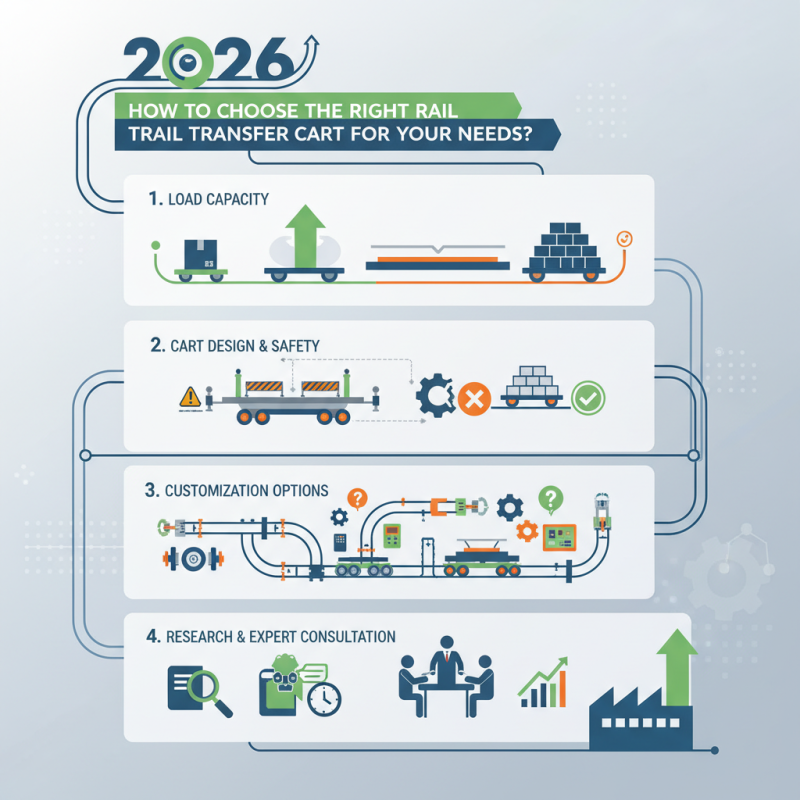
Consider the load capacity, as different tasks require different strengths. A Rail Transfer Cart suited for light loads may not handle heavy materials effectively. Users might underestimate the importance of the cart’s design. A poor choice can lead to safety issues or delays in workflow.
Customization options are vital to consider. Many factors affect performance, including track layout and frequency of use. Reflecting on past experiences can also guide choices. It’s essential to research and consult with experts. Making an informed decision ensures reliability and increases productivity in your operations.
Types of Rail Transfer Carts Available in the Market
When considering the right rail transfer cart for your operations, understanding the types available is crucial. Rail transfer carts come in various designs, each serving specific industrial needs. Common types include manual, electric, and automated carts. Manual carts are suitable for lighter loads and smaller distances, while electric options excel in environments requiring heavier transport and efficiency. Automated carts, often equipped with advanced navigation systems, are gaining popularity for their ability to operate independently.
A recent industry report indicated that the demand for rail transfer carts, particularly automated versions, is projected to rise significantly. This surge is attributed to increased automation in manufacturing and logistics. For instance, the market for automated guided vehicles (AGVs) is expected to grow by 15% annually. This trend reflects the need for faster and safer materials handling in warehouses.
Tip: Analyze your load requirements before selecting a cart. This assessment will help ensure optimal efficiency.
Understanding maintenance needs is vital. Frequent inspections can prevent costly downtime. Durability also matters. Cheaper options may require more repairs over time, impacting your bottom line.
Tip: Consider long-term costs, not just initial purchase price. Investing in quality can lead to significant savings.
By identifying your specific requirements and understanding the available options, you can make an informed decision that enhances your operational effectiveness.
Key Features to Consider When Choosing a Rail Transfer Cart
When choosing the right rail transfer cart, several key features deserve attention. Load capacity is crucial. It determines how much weight the cart can safely transport. Assessing the specific needs of your operations will help you select an appropriate capacity. Additionally, consider the materials used in the cart's construction. Sturdy materials can enhance durability and ensure longevity, even under harsh conditions.
Another important aspect is the power source. Electric models offer the advantage of reduced emissions and quieter operation. However, battery life and charging times should be evaluated to avoid disruptions. Manual carts, while often more economical, may require more physical effort to operate. The choice between electric and manual options should reflect your operational efficiency needs.
Finally, think about the cart's maneuverability. Look for features like swivel wheels or a compact design for easy navigation in tight spaces. Each workplace is unique, and what works for one may not work for another. Test the carts in a real or simulated environment to gauge their suitability for your tasks. It's wise to reflect on your choices, learning from setbacks to avoid future issues.
Evaluating Load Capacity and Weight Requirements for Your Operation
Choosing the right rail transfer cart hinges significantly on evaluating load capacity and weight requirements. Understanding the specific needs of your operation is essential for safety and efficiency. According to industry reports, a rail transfer cart typically supports loads ranging from 1 ton to over 100 tons. Accurate measurement of both static and dynamic loads is crucial. Failure to do so can lead to operational inefficiencies and potential accidents.
When determining load capacity, consider maximum weight distribution. A 2022 study indicated that uneven weight distribution can reduce a cart's lifespan by up to 30%. Regular inspections and weight checks are recommended. The safety margin in weight capacity should not be underestimated. Often, a 20% buffer is advisable to account for unexpected loads or shifts.
In many cases, companies overlook specific application requirements. For instance, if your operation frequently handles heavy equipment, a higher load capacity cart is necessary. Reports suggest that 45% of operational failures arise from inadequate load evaluations. Take time to analyze your load dynamics. Understanding your needs will lead to better decision-making and ultimately enhance throughput in your facility.
Assessing Wheel Specifications and Track Compatibility
When selecting a rail transfer cart, understanding wheel specifications is essential. Wheels play a critical role in load distribution and stability. They determine how well the cart moves along the tracks. The material and design of the wheels influence their durability and performance. Steel wheels offer strength, while polyurethane wheels are quieter and provide better grip.
Track compatibility must also be considered. Different tracks have unique profiles. Verify the wheel diameter and gauge to ensure a proper fit. If the tracks are not compatible, it affects operational efficiency. A misaligned cart can lead to increased wear and tear. Make sure to evaluate the track's condition regularly for safety and performance.
Tips: Always check the maximum load capacity. This prevents overload issues. Evaluate your specific operational environment. Is it indoor or outdoor? Adjustments may be necessary based on the terrain.
Remember, selecting the right cart is not just about specifications; it’s an ongoing process. Reassess your choices periodically. Industry demands change, and your initial decision might need adjustments for optimal performance.
2026 How to Choose the Right Rail Transfer Cart for Your Needs? - Assessing Wheel Specifications and Track Compatibility
| Model | Load Capacity (tons) | Wheel Diameter (mm) | Track Gauge (mm) | Power Source | Compatibility |
| Model A | 10 | 500 | 1435 | Electric | Standard Gauge |
| Model B | 15 | 600 | 1000 | Battery | Narrow Gauge |
| Model C | 20 | 700 | 1435 | Diesel | Standard Gauge |
| Model D | 25 | 800 | 1200 | Hybrid | Mixed Gauge |
Understanding Maintenance Needs and Durability Factors
When selecting a rail transfer cart, understanding its maintenance needs is essential. Regular maintenance helps ensure long-term durability. Inspection schedules should be strictly followed. This may include checking for wear on wheels and brakes. Small problems can turn into costly repairs if overlooked.
Tips for maintenance: Keep a logbook. Document all repairs and inspections. This can help track performance over time. Use quality lubricants for moving parts. They reduce friction and extend the life of the cart. Consider using protective coatings to prevent rust.
Durability factors are equally crucial. The materials used in construction impact overall lifespan. Opt for carts made from high-quality steel or aluminum. Assess the cart's load capacity as well. A cart that is frequently overloaded may wear out faster. Make sure to match the cart’s specifications with your operational needs to avoid inefficiencies. Reflect on the balance between cost and durability. Cheaper options may save money upfront but could result in increased maintenance down the line.