How to Choose the Right Shipping Line for Your Business Needs
Choosing the right shipping line is crucial for any business. A reliable shipping partner can enhance your operations. However, this decision may not be as straightforward as it seems.
Many factors influence your choice of a shipping line. Cost is important, but so are transit time and service quality. Some businesses may prioritize speed, while others focus on budget. Assess what matters most for your shipments. It can be challenging to balance these needs. A shipping line that fits one company may not suit another.
Communication is key in this process. Clear expectations can prevent misunderstandings later. Your needs may change as your business grows. It’s essential to review your shipping line choice periodically. Reflect on past shipments and customer feedback. The right shipping line should evolve with your business demands.
Factors to Consider When Selecting a Shipping Line
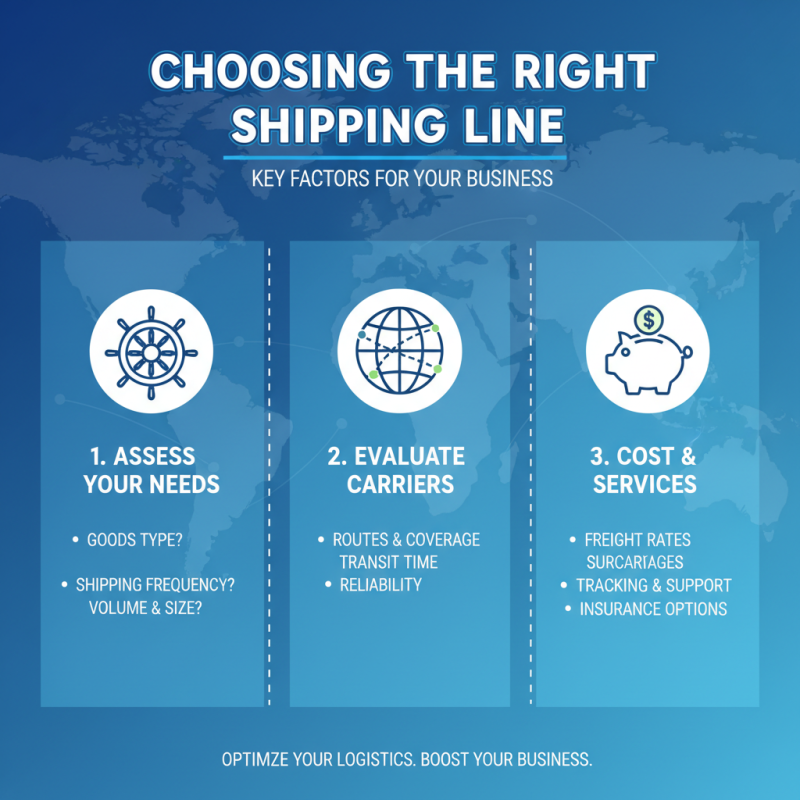
Choosing the right shipping line is crucial for your business. Different factors will impact your decision. Firstly, consider your specific needs. What goods will you ship? How often will you ship them? These questions lead to different shipping lines.
Cost is another fundamental factor. Some shipping lines offer lower rates while others may have premium services. Compare these options carefully. Occasionally, a cheaper rate might mean slower service. Think about delivery timelines. Will your customers accept longer waits? It’s essential to strike a balance.
Also, look at the carrier's reliability. Delays can affect your reputation. Research past customer experiences. Check for any common complaints. Don't overlook this detail. Sometimes, the cheaper option may not always be the best choice. Be cautious when deciding, as an uninformed choice can impact your entire supply chain.
Comparative Analysis of Major Shipping Lines and Their Services
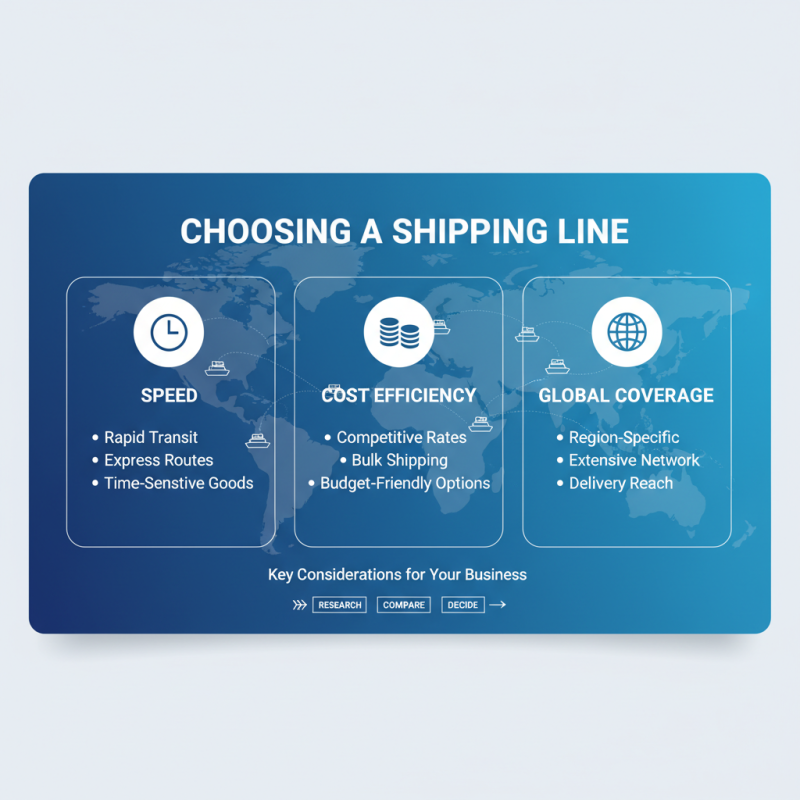
When choosing a shipping line, consider their strengths. Each major line offers unique services. Some focus on speed, while others emphasize cost efficiency. Understanding these differences is crucial for your business. Some lines have better coverage in specific regions. This can impact delivery times significantly.
Tips: Look for shipping lines that provide tracking services. Customers prefer real-time updates on their shipments. Also, evaluate customer service responsiveness. Long wait times can lead to frustration.
Another aspect to compare is the types of cargo they handle. Some specialize in perishables, while others cater to heavy machinery. It's important to know your cargo requirements. Sometimes, opting for a lesser-known line may yield better service. However, this choice may involve risks. Make sure to gather reviews and ratings before deciding.
Tips: Always check for hidden fees or surcharges. Transparency is vital in shipping agreements. A good line will provide clear pricing. Don't overlook the terms of service. Hidden clauses can complicate your shipping process later on.
Understanding Freight Rates: How Shipping Costs Impact Your Choice
Understanding freight rates is crucial when selecting a shipping line. These costs can significantly affect your bottom line. In recent years, freight rates have shown volatility. For instance, the Freightos Baltic Index reported rates fluctuating, affecting many businesses. High shipping costs can lead to price hikes for customers, creating dissatisfaction.
Tips: Always analyze the cost structure. Look beyond just the price. Consider transit times, service reliability, and hidden fees. Some shipping lines offer lower rates but may sacrifice quality service.
Many companies focus solely on freight costs. This can be misleading. Service issues may lead to delays, lost sales, or damaged goods. A low rate might seem appealing, but hidden costs can outweigh savings. Reliability often matters more than a few extra dollars saved.
Tips: Do thorough research. Read reviews and talk to current customers. Seek insights that data alone may not provide. Ensure your chosen shipping line aligns with your business needs. Making the right choice can yield better long-term results.
Evaluating Shipping Line Reliability and Transit Times for Your Business
When selecting a shipping line, reliability is crucial. A shipping line with consistent on-time deliveries builds trust. Look for lines with strong track records. Check online reviews and industry ratings. A few missed deadlines can disrupt your operations. It’s essential to avoid shipping delays.
Transit times are another key factor. Different shipping lines have varying schedules. Some may offer faster routes but at a higher cost. Analyze your budget and choose what matters. Quick delivery can enhance customer satisfaction. However, if costs are too high, it may hurt profits.
Evaluate your own business needs. Are there peak seasons when you need faster shipping? Consider flexibility. Some lines may adapt better during high demand periods. Finally, ask for advice from peers. Others can provide insights from their experiences. Keep an open mind; no choice is perfect. Reflect on your priorities often. Adjust as needed.
Environmental Sustainability Practices of Shipping Lines in 2023
In 2023, the shipping industry is under increasing pressure to adopt sustainable practices. As environmental concerns grow, shipping lines must rethink their operations. According to a recent report, nearly 90% of global trade relies on shipping, which accounts for 2.89% of total greenhouse gas emissions. This impact prompts businesses to choose lines that prioritize eco-friendly methods.
Many shipping companies are now investing in technologies that reduce fuel consumption. Some are exploring alternative fuels, like LNG and hydrogen, to lower their carbon footprint. Recent studies indicate that adopting such technologies can reduce emissions by up to 30%. However, this transition is not without challenges. The initial investment can be significant, and not all lines have the infrastructure to support these changes.
Additionally, transparency in sustainability practices is critical. A survey showed that 70% of consumers prefer businesses that demonstrate a commitment to environmental responsibility. Yet, many shipping lines still lack clear data on their carbon emissions and sustainability initiatives. Without this information, businesses may struggle to align with partners that genuinely prioritize the environment.
How to Choose the Right Shipping Line for Your Business Needs - Environmental Sustainability Practices of Shipping Lines in 2023
| Shipping Line Type |
Green Initiatives |
Carbon Emissions Reduction (% by 2023) |
Use of Alternative Fuels |
Recycling Programs |
| Container Shipping |
Energy-efficient vessels, Shore power |
30% |
Yes |
Active |
| Bulk Shipping |
Ballast water management |
25% |
In progress |
Pending |
| Ro-Ro Shipping |
Eco-friendly ship designs |
20% |
Limited |
Implemented |
| Tanker Shipping |
Waste oil recycling |
15% |
No |
Active |