China Top Air Freight Forwarder Services What You Need to Know?
Air freight forwarder services are essential for businesses aiming to navigate global logistics efficiently. In China, these services play a vital role in facilitating international trade. Many suppliers rely on reliable air freight forwarders to manage their shipping needs. A capable air freight forwarder not only ensures timely delivery but also handles the complexities of customs and documentation.
The landscape of air freight forwarding in China is competitive. Companies must choose wisely, considering factors like reliability, speed, and cost. Some air freight forwarders may lack the experience needed for specialized cargo. This can lead to delays or increased costs. It is crucial to evaluate a forwarder's track record and client feedback.
Furthermore, businesses must reflect on their unique shipping requirements. Not all air freight forwarders offer the same expertise. Some excel in handling perishable goods, while others focus on electronics. Knowing these details can significantly impact your shipping efficiency. Your choice of air freight forwarder can make or break your supply chain strategy.
Overview of Air Freight Forwarding in China
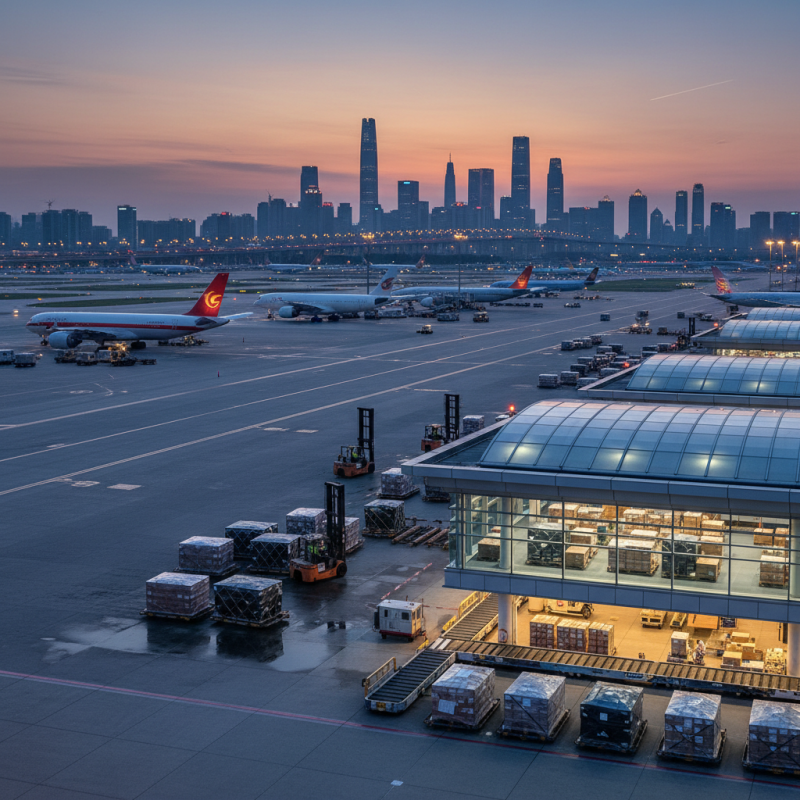
Air freight forwarding in China plays a crucial role in global logistics. As one of the busiest countries for import and export, China’s air freight network is extensive. This service allows businesses to transport goods quickly over long distances. Fast transit times are significant for perishable items. Reliable air freight forwarders enable companies to meet tight deadlines.
Understanding the air freight process is vital. First, businesses need to select a qualified forwarder. This choice ensures proper documentation and customs clearance. Furthermore, professionalism in handling cargo is essential. Not all forwarders offer the same level of service. Some may lack clear communication or responsiveness. This can lead to delays and frustrations for shippers.
Monitoring air freight costs is important. Rates can vary based on weight, volume, and destination. Hidden fees might arise, so businesses should request transparent pricing. It’s also wise to consider insurance for high-value shipments. While air freight offers speed, it may not always be the cheapest option. Careful planning and research can lead to better decisions in the long run.
Overview of Air Freight Forwarding in China
Key Services Offered by Top Freight Forwarders in China
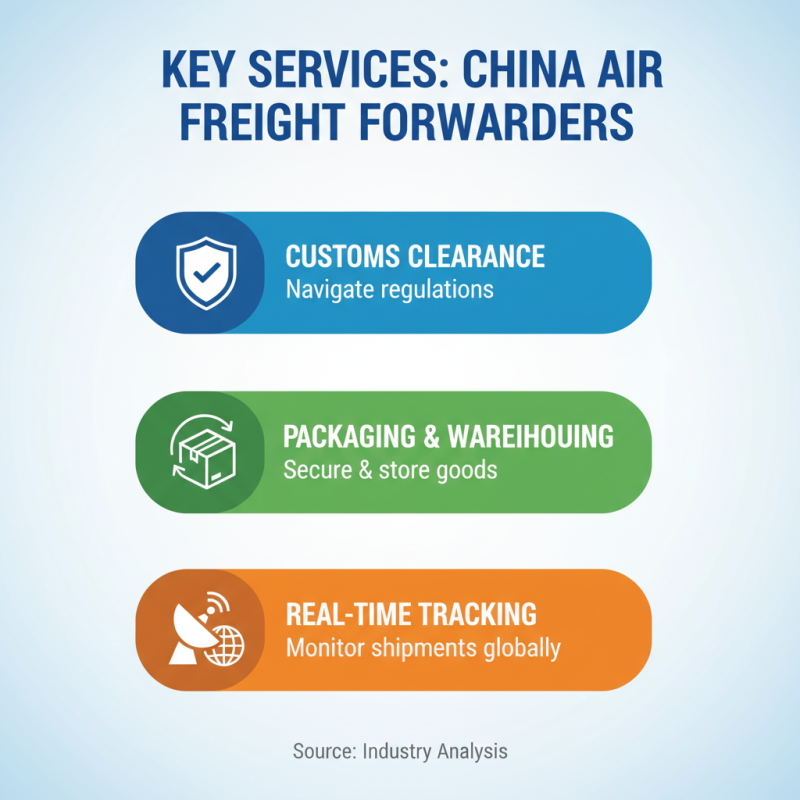
When choosing a top air freight forwarder in China, understanding the services they offer is crucial. Air freight forwarding is not just about moving goods. It encompasses a range of logistics solutions tailored to meet diverse needs. These services include customs clearance, packaging, and real-time tracking.
Customs clearance is essential. A knowledgeable forwarder ensures that all documentation is accurate. Errors can cause delays. It’s important to work with someone who has experience navigating complex regulations. Packaging services help protect your goods during transit. Proper packaging can save you from losses and damage.
**Tips:** Always ask about tracking options. It lets you monitor your shipment’s progress. Having this visibility enhances peace of mind. Moreover, consider their handling of unexpected delays. A reliable forwarder should have a plan in place to manage such situations.
Real-time communication is often overlooked but crucial. Being able to reach your forwarder easily can alleviate stress. Furthermore, not all forwarders are equally equipped for every type of cargo. Check their specialization to ensure they fit your needs. Thoughtful selection can significantly impact your logistics efficiency.
Factors to Consider When Choosing a Freight Forwarder
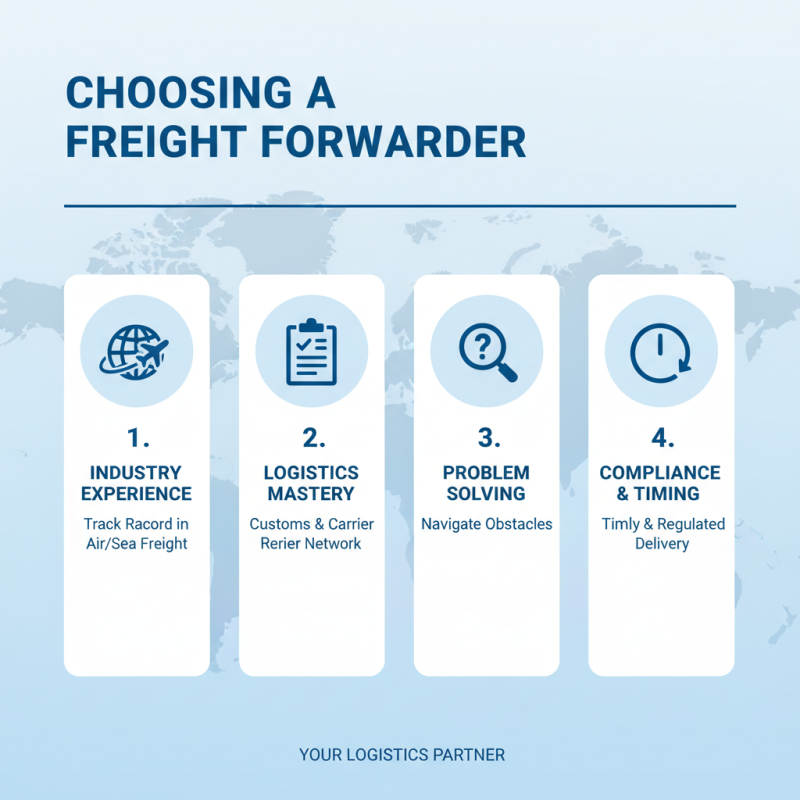
When selecting a freight forwarder, several critical factors come into play. Experience in the specific industry is vital. Look for forwarders with a solid track record in air freight services. They should understand the nuances of logistics, customs, and carrier relationships. A knowledgeable forwarder can navigate obstacles effectively, ensuring timely delivery and compliance with regulations.
Understanding the technology used by the forwarder is crucial. Advanced tracking systems can provide real-time updates and transparency. Efficient communication tools can enhance your experience. A forwarder that employs modern technology can streamline the shipping process. However, some may rely on outdated systems, leading to inefficiencies. Always ask about the tools and platforms they use.
Pricing structures matter too. Transparent pricing will help you avoid hidden fees. Look for a forwarder that clearly outlines costs upfront. Compare multiple quotes but consider the quality of service over the lowest price. The cheapest option might compromise service reliability. Choosing a freight forwarder is not just about cost. It is about building a long-term partnership that fosters trust and efficiency.
The Roles and Responsibilities of Air Freight Forwarders
Air freight forwarders play a crucial role in international shipping. They act as intermediaries between shippers and airlines, ensuring that goods are transported efficiently. Their responsibilities go beyond mere logistics. They also handle documentation, customs clearance, and cargo insurance. This multifaceted role demands expertise and attention to detail.
Understanding the complexities of global shipping is essential for success. Air freight forwarders must navigate regulations in different countries. They coordinate with multiple parties, including shipping companies and customs officials. Challenges often arise, such as fluctuating rates and changing regulations. This unpredictability requires adaptability and problem-solving skills.
Additionally, effective communication is vital. Forwarders must keep clients informed about shipment statuses and any potential delays. This transparency builds trust and fosters long-term relationships. However, miscommunication can lead to significant issues, highlighting the importance of clarity. In a fast-paced environment, even small mistakes can have major consequences.
Trends and Challenges in China's Air Freight Industry
China's air freight industry is experiencing significant shifts. Recent trends highlight a growing demand for faster and more efficient services. The rise of e-commerce has played a vital role in shaping this landscape. More businesses now rely on air freight to meet consumer expectations for quick delivery. This urgency creates both opportunities and challenges for freight forwarders.
One major challenge is capacity constraints. With increasing cargo volume, many players struggle to secure enough space on flights. Pricing fluctuations can also impact budgets. Companies may find their shipping costs rise unexpectedly. Additionally, regulatory changes can complicate logistics. Adapting to new compliance requirements takes time and effort.
Moreover, sustainability is becoming a focal point. There is a rising expectation for greener practices in air freight services. Stakeholders must navigate the balance between efficiency and environmental responsibility. Implementing sustainable solutions can be costly. However, it is essential for long-term success. Adapting to these dynamic trends requires keen insight and strategic planning.