What is Cargo Freights and How Do They Work?
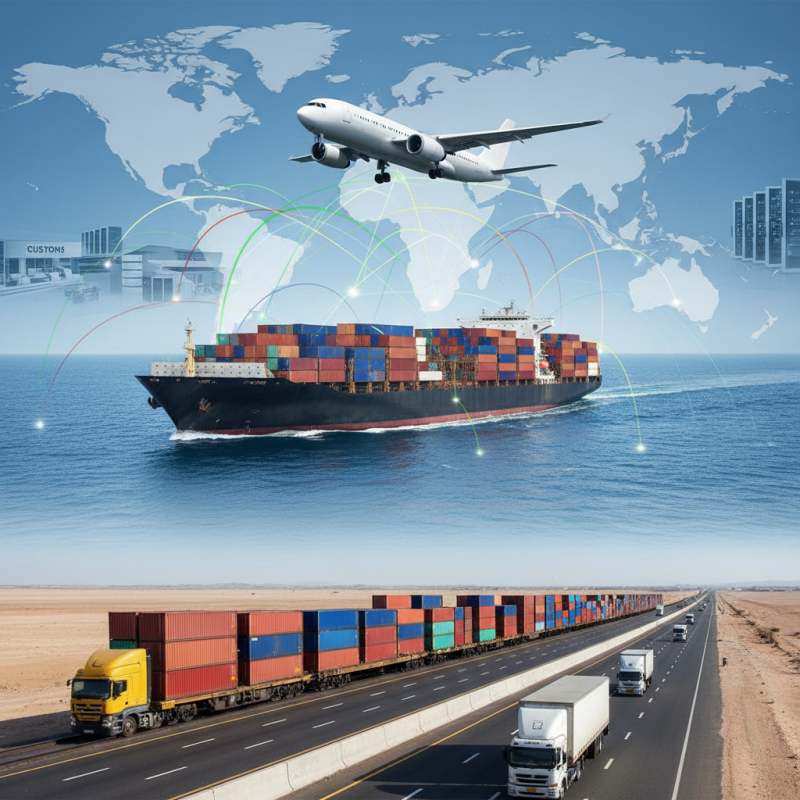
Cargo Freights are vital to global trade. They refer to the transportation of goods. This can involve various forms, such as shipping by sea, air, or land. Each method has unique features and benefits.
Understanding how Cargo Freights work is essential. The process can be complex. It includes packaging, labeling, and choosing the right transport method. Many businesses rely on Cargo Freights for timely delivery. However, challenges can arise. Issues like customs clearance or tariffs may delay shipments.
Moreover, accurate tracking is crucial for successful transportation. Companies often struggle with real-time data. It's important to reflect on these obstacles. Efficient Cargo Freight management can improve supply chain reliability. Ultimately, fostering trust between businesses and customers hinges on mastering these logistics.
Understanding Cargo Freights: Definition and Types
Cargo freights refer to the transportation of goods in bulk. These can include various types, from raw materials to finished products. Understanding the different types of cargo freights is essential for successful shipping. The main categories are containerized, bulk, and break-bulk cargo.
Containerized freight uses standardized containers. This method allows for efficient loading and unloading. It's ideal for manufacturers shipping products overseas. Bulk cargo refers to large quantities of unpackaged goods, such as grains or liquids. These items are often stored in cargo holds. Break-bulk cargo involves individual items that are not contained in a standard unit. Examples include machinery and vehicles.
Each type presents unique challenges. For instance, containerized freight may lead to delays due to customs inspections. Bulk cargo might require specific storage equipment. Break-bulk entails higher risks of damage during transit. Companies must adapt their strategies accordingly. Understanding these nuances can improve logistics and reduce costs.
The Role of Cargo Freight in Global Trade
Cargo freight plays a crucial role in global trade by enabling the transport of goods across large distances. In 2021, global cargo traffic reached approximately 11 billion tons, highlighting the immense scale of this industry. Sea freight accounts for about 90% of international trade by volume, according to the International Maritime Organization. This statistic underscores the significance of cargo shipping routes, as they facilitate trade among nations.
Despite its importance, the cargo freight industry faces several challenges. Port congestion has increased due to disruptions caused by the COVID-19 pandemic. A report from the World Trade Organization indicates that shipping costs rose by 300% in the past two years, exacerbating supply chain issues. Companies are now reevaluating logistics strategies, often opting for air freight, which, although faster, is costlier and less environmentally friendly. This shift in logistics raises questions about sustainability and efficiency in global trade.
Moreover, regulatory hurdles can slow down cargo shipments. Different customs regulations and tariffs complicate the flow of goods. It's crucial for businesses to stay updated with changing regulations to ensure compliance. Continuous investment in technology and infrastructure is needed to enhance cargo efficiency. Balancing cost, speed, and reliability remains a persistent challenge for stakeholders in this vital sector.
What is Cargo Freights and How Do They Work? - The Role of Cargo Freight in Global Trade
| Dimension | Description | Value (Example) |
| Cargo Type | Different types of goods transported | Electronics, Clothing, Automotive Parts |
| Transportation Mode | Modes of transport used for cargo freight | Air, Sea, Rail, Road |
| Global Reach | Worldwide delivery capabilities | Over 200 countries |
| Average Delivery Time | Typical time taken for delivery | 5-30 days depending on mode |
| Freight Cost | Cost associated with transporting cargo | $500 - $5000 per shipment |
| Customs Clearance | Process of clearing goods through customs | 2-7 days usually |
| Tracking Capabilities | Ability to track shipment status | Real-time GPS tracking available |
How Cargo Freight Operations Function
Cargo freight operations are crucial for global trade. They involve transporting goods across various modes, including air, sea, and land. According to the International Air Transport Association (IATA), air freight accounts for over 35% of global trade by value, despite representing only 1% of total cargo volumes. This highlights its importance in shipping high-value items swiftly.
In a typical cargo freight operation, several key steps take place. Freight forwarders manage the shipment process from origin to destination. They ensure compliance with regulations and handle documentation. Effective communication with carriers and customs authorities remains essential. Data from the International Maritime Organization (IMO) indicates that shipping supports approximately 90% of world trade by volume, demonstrating the significance of seamless logistics.
Tips: Always verify the credentials of your freight forwarder. A reliable partner will streamline operations and reduce potential delays. Additionally, keep an eye on shipping trends. Fluctuations in demand can impact freight rates. Regularly reviewing services can optimize costs and efficiency. Lastly, embrace technology. Digital platforms enhance tracking and transparency in logistics. Reflect on your processes to identify areas for improvement.
Key Factors Influencing Cargo Freight Costs
Cargo freight refers to the transportation of goods by various means, including air, land, and sea. Several factors directly influence freight costs. Understanding these can help businesses optimize their logistics.
One of the primary factors is distance. Longer routes typically incur higher costs. Geography can also play a role. For instance, shipping to remote areas can result in additional charges. Seasonal demand changes when planning shipments are crucial as prices fluctuate. Companies must anticipate their needs during peak times.
Tips: Monitor the market trends for seasonal peaks. Adjust your shipping schedule accordingly.
Cargo weight and volume also impact pricing. Heavier and bulkier shipments usually lead to increased fees. Understanding how freight carriers calculate costs is vital. Always weigh and measure shipments accurately to avoid unexpected charges.
Tips: Use accurate dimensions when booking freight. This helps ensure fair pricing and avoids penalties.
Lastly, mode of transport affects costs significantly. Air freight is faster but usually more expensive than sea freight. Evaluating the trade-offs between speed and cost can lead to better decisions. Always weigh urgency against budget constraints.
Challenges and Innovations in Cargo Freight Transportation
Cargo freight transportation faces numerous challenges, particularly in the realm of efficiency and sustainability. According to the International Air Transport Association (IATA), air freight volumes are expected to increase by 4.1% annually until 2025. However, managing greenhouse gas emissions remains a significant hurdle. The sector contributes nearly 2% of global CO2 emissions. This pressure to reduce emissions has prompted many companies to explore innovative strategies.
Technological advancements play a crucial role in addressing these challenges. The adoption of blockchain technology can enhance transparency and reduce delays. For instance, it allows real-time tracking of shipments, minimizing the risk of theft or loss. A report from McKinsey & Company highlights that companies adopting digital solutions can achieve efficiency gains of up to 30%. However, the integration of these technologies presents challenges, particularly regarding compatibility with existing systems.
Moreover, evolving regulations and customer expectations pose additional pressures. As consumers demand faster deliveries, freight providers must adapt. The need for agility in supply chain management often leads to increased operational complexities. Industry data from Gartner shows that 79% of companies with high-performing supply chains achieve revenue growth greater than the average in their industries. The ongoing pursuit of innovation can offer solutions, but it also necessitates a careful assessment of operational frameworks.