10 Best Global Logistics Strategies to Streamline Your Supply Chain
In today's interconnected world, the efficiency of supply chains relies heavily on effective global logistics strategies. As organizations strive to enhance their operational frameworks, industry experts recognize the need for innovative approaches to streamline these complexities. Renowned logistics expert Dr. Emily Choi emphasizes that "successful global logistics requires not only strong networks and technology but also a deep understanding of market dynamics." This insight highlights the multifaceted nature of global logistics, wherein companies must navigate diverse challenges while optimizing their processes.
The evolution of global logistics over recent years has underscored the importance of adaptability and strategic planning. With the rise of e-commerce and shifting consumer expectations, businesses must adopt best practices that leverage current technology and methodologies. By implementing the right logistics strategies, companies can achieve significant reductions in costs and lead times, ultimately leading to enhanced customer satisfaction. In this article, we explore the 10 best global logistics strategies to transform and streamline your supply chain, ensuring your organization remains competitive in the ever-changing marketplace.

Understanding Global Logistics: Key Concepts and Importance
Understanding global logistics is fundamental to effectively managing a supply chain in today's interconnected world. At its core, global logistics encompasses the planning, implementation, and control of the flow of materials and information from the point of origin to the end consumer across international borders. This involves a complex web of processes, including transportation, warehousing, inventory management, and customs regulations. Recognizing these key concepts helps organizations navigate the intricacies of international trade, ensuring timely delivery of goods while minimizing costs.
The importance of global logistics cannot be overstated, as it directly influences a company's efficiency and customer satisfaction. A well-structured logistics strategy enables companies to optimize their operations by streamlining processes and reducing lead times. Furthermore, a strong understanding of global logistics allows businesses to better respond to market fluctuations and customer demands, ensuring that they remain competitive.
As companies expand their reach to new markets, mastering the principles of global logistics becomes a vital component of their overall business strategy, fostering growth and sustainability in a dynamic economic landscape.
Identifying Challenges in Supply Chain Management
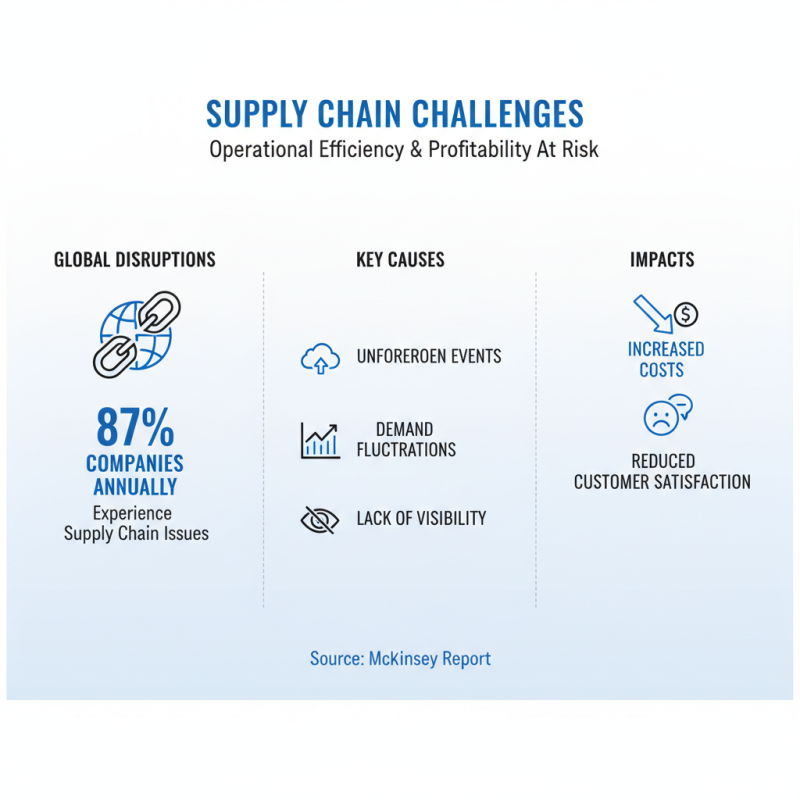
In today's rapidly evolving market, businesses face numerous challenges in supply chain management that can hinder operational efficiency and profitability. According to a report by McKinsey, approximately 87% of companies experience supply chain disruptions annually, highlighting the need for effective logistics strategies. These disruptions often stem from unforeseen events, demand fluctuations, and inadequate visibility into the supply chain processes, which can lead to increased costs and reduced customer satisfaction.
To tackle these challenges, organizations must prioritize visibility and data analytics in their logistics strategies. Implementing real-time tracking systems can enhance transparency, allowing companies to respond promptly to potential disruptions. A survey by the Council of Supply Chain Management Professionals reveals that 79% of companies see improvements in their supply chain efficiency through data-driven decision-making. Thus, investing in analytics tools is crucial for identifying bottlenecks and optimizing inventory management.
**Tip:** Regularly review your supply chain performance metrics to identify trends and areas for improvement. Implementing a continuous improvement process can help in adapting to market changes swiftly.
Another critical aspect is fostering strong relationships with suppliers. Collaborative planning and communication can mitigate risks and ensure alignment with market demands. According to a study by Deloitte, organizations that engage in strategic supplier collaboration can achieve cost reductions of up to 20%. Building these partnerships not only enhances flexibility but also drives innovation in logistics practices.
**Tip:** Schedule regular meetings with key suppliers to discuss performance and alignment on upcoming market trends. This proactive approach can strengthen partnerships and drive better results across your supply chain.
Top 10 Global Logistics Strategies for Efficiency
In today’s fast-paced global economy, efficiency in logistics is crucial for companies looking to optimize their supply chains. According to a report by the Council of Supply Chain Management Professionals (CSCMP), logistics costs account for approximately 8% of the total GDP in the United States, highlighting the critical need for effective logistics strategies. One of the top strategies includes leveraging technology through the use of artificial intelligence and machine learning. These technologies can analyze vast amounts of data in real-time, allowing businesses to anticipate demand fluctuations and manage inventory more efficiently, ultimately reducing operating costs.
Another essential strategy is the implementation of advanced visibility tools. A study from Gartner reveals that companies with real-time supply chain visibility can reduce logistics costs by up to 15%. By utilizing GPS tracking and blockchain technology, organizations can improve transparency, minimize delays, and enhance collaboration among stakeholders. This increased insight into the logistics process not only streamlines operations but also improves customer satisfaction through better delivery performance. As organizations adopt these innovative logistics strategies, they position themselves to thrive amidst the complexities of global trade and supply chain dynamics.
Top 10 Global Logistics Strategies for Efficiency
Implementing Technology Solutions in Logistics
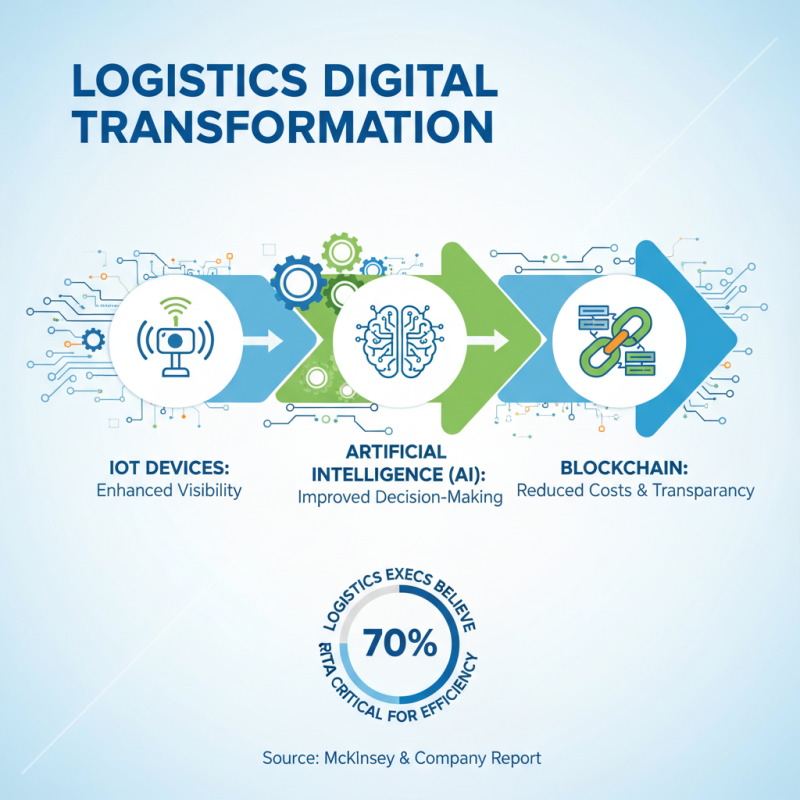
The logistics industry is undergoing a significant transformation as companies increasingly turn to advanced technology solutions to streamline their supply chains. According to a report by McKinsey & Company, 70% of logistics executives believe that digital transformation will be critical to achieving operational efficiency. Implementing technology such as Internet of Things (IoT) devices, artificial intelligence (AI), and blockchain can enhance visibility, reduce costs, and improve decision-making processes.
For instance, IoT technology can help monitor and manage cargo in real-time, allowing companies to track shipments at every stage of the supply chain. This level of visibility can lead to a 20-30% reduction in logistics costs, as noted in a recent study by Gartner. Moreover, AI-driven analytics can predict demand fluctuations and optimize inventory levels, reducing the risk of stockouts or overstock situations. In fact, studies indicate that businesses utilizing AI in their supply chain operations see a 15-20% improvement in service levels and a substantial decrease in operational costs.
Furthermore, blockchain technology presents a unique opportunity to enhance transparency and traceability within logistics operations. By enabling secure and immutable records of transactions, companies can minimize fraud and streamline processes. According to a report from the World Economic Forum, implementing blockchain in logistics could save businesses up to $50 billion annually by 2025 through heightened efficiency and reduced compliance costs. Investing in such technological advancements is not merely a trend; it is becoming essential for organizations aiming to sustain a competitive edge in the global marketplace.
Measuring Success: KPIs for Logistics and Supply Chain Optimization
When optimizing logistics and supply chains, measuring success through specific Key Performance Indicators (KPIs) is crucial. These metrics provide insight into various operational aspects, helping organizations identify areas for improvement and track progress over time. Common KPIs include order accuracy, inventory turnover, and lead time. By closely monitoring these indicators, businesses can assess their efficiency in order fulfillment and inventory management, ensuring they meet customer demands while minimizing costs.
Another important KPI is transportation cost per unit, which helps organizations evaluate the financial efficiency of their logistics operations. By analyzing fluctuations in this metric, companies can make informed decisions about route optimization, carrier selection, and freight negotiation strategies. Additionally, customer satisfaction scores are essential for understanding the impact of logistics decisions on end-users. Regularly collecting feedback allows companies to refine their processes and enhance delivery performance, ultimately leading to improved customer loyalty and competitive advantage in the marketplace.