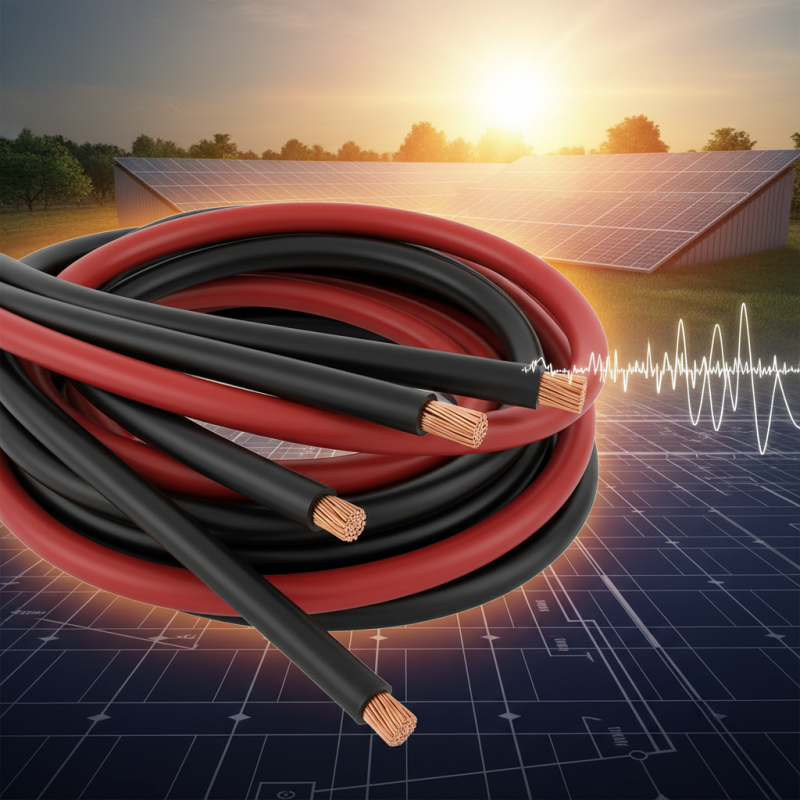
What is 4mm Solar Cable and Why is it Important?
The 4mm Solar Cable is an essential component in solar power systems. Its size and specifications play a crucial role in energy efficiency. Many projects overlook the importance of selecting the right cable. This often leads to power loss and safety hazards.
Using the correct gauge ensures optimal performance. The 4mm Solar Cable can handle high currents effectively. Choosing a lower gauge may result in overheating. This might damage equipment and impair energy transmission. Solar installations that employ this cable can achieve greater reliability. However, not everyone fully understands its benefits.
Awareness of the 4mm Solar Cable can lead to better decision-making. Professionals advocate for its use in various solar applications. Proper installation and maintenance are key factors. A lack of knowledge can lead to costly mistakes. Investing in the right cable promotes efficiency and safety in solar energy systems.
What is 4mm Solar Cable and Its Key Specifications
4mm solar cable is a critical component in solar energy systems. Its primary function is to connect solar panels to inverters and batteries. The thickness of 4mm ensures that the cable can handle high current loads efficiently. This helps in reducing energy losses during transmission.
Key specifications include a maximum current rating of around 30 to 40 Amps. The insulation material must be UV resistant and designed for outdoor use. This ensures durability and safety in various weather conditions. Pay attention to the voltage drop, as it should be minimal for optimal performance.
Tips: When choosing 4mm solar cables, consider the length of the run. Longer distances may require thicker cables to maintain efficiency. Regularly inspect the cables for any signs of wear or damage. Investing in high-quality cables can save future costs and enhance the longevity of your solar system.
Applications of 4mm Solar Cable in Renewable Energy Systems
4mm solar cable plays a crucial role in renewable energy systems. Its robust design ensures efficient power transmission from solar panels to inverters. This cable type is built to withstand environmental challenges, such as UV rays and extreme weather. With a solid copper core, it offers excellent conductivity, minimizing energy loss.
Applications of 4mm solar cable are extensive. They are widely used in residential solar installations. These cables connect solar arrays to grid systems, enabling seamless energy distribution. Additionally, they are vital in off-grid setups, where reliable power supply is essential.
The durability of 4mm solar cable requires regular inspection to maintain efficiency. Sometimes, wear and tear can lead to performance issues. Planning for proper cable management is important to avoid potential damages. Awareness of these factors can improve the long-term performance of solar energy systems.
Applications of 4mm Solar Cable in Renewable Energy Systems
Importance of Cable Sizing for Solar Panel Efficiency
Choosing the right solar cable size, like 4mm, plays a crucial role in the efficiency of solar panels. Proper cable sizing ensures minimal energy loss during electricity transmission. When cables are too small, they can overheat, leading to potential failures. This inefficiency is something many solar installations overlook. It is essential to strike a balance between safety and performance.
Tips for effective solar cable selection include considering the overall distance from your solar panels to the inverter. The longer the distance, the thicker the cable you may need. Additionally, manufacturers often provide recommendations regarding the appropriate cable size. It's wise to follow those guidelines closely. A common mistake is underestimating cable heat resistance. This can lead to costly repairs down the line.
Investing time in understanding cable specifications proves invaluable. Research various cable materials too; copper cables may offer better conductivity than aluminum. However, they can be more expensive. When evaluating options, keep in mind the specific needs of your installation. Many have faced issues due to incorrect sizing. Careful assessment can prevent future headaches.
Comparative Analysis of 4mm Solar Cable and Other Sizes
When comparing 4mm solar cable to other sizes, it's essential to understand its features. This gauge is often recommended for small to medium solar installations. It offers a balance between flexibility and strength. In contrast, larger cables can handle more power, but they are less flexible. Thinner cables may be easier to install but can pose risks with higher currents.
Choosing the right size is crucial for efficiency. A 4mm solar cable can carry adequate current for modest solar energy systems. Make sure to assess your total power generation needs. Over-sizing the cable can lead to unnecessary expenses, while under-sizing may result in energy losses.
Tips: Always consider the total length of the cable run. A longer distance may require thicker cables to prevent voltage drop. Also, check local regulations regarding cable specifications. Not all installations are the same, and local conditions can affect performance.
Safety Standards and Regulations for Solar Cables in Installations
Solar installations rely heavily on cables, notably 4mm solar cables. Compliance with safety standards is essential. These regulations help ensure that installations are safe and efficient. Each cable must withstand environmental stress. This includes exposure to UV light, heat, and moisture. Without adherence to these safety standards, risks increase.
Additionally, local regulations often dictate the type and quality of materials used in solar installations. Proper certifications ensure cables meet these standards. Poor-quality cables can lead to failures, resulting in costly repairs. Installers must pay attention to details like insulation types and conductor materials. Small oversights can have significant consequences.
In the solar industry, regulatory bodies set these standards to protect consumers. Their authority rests on thorough research and testing. It’s vital for installers to stay informed about changes in regulations. Sometimes, it’s easy to overlook updates, leading to potentially unsafe setups. Regular training and continuous education can mitigate such risks.