2026 Top Shipping and Logistics Trends What to Expect?
As we move toward 2026, the shipping and logistics industry stands at a critical juncture. Experts believe that staying ahead of trends is essential. Jane Smith, a leading figure in logistics innovation, states, "Understanding future trends can make or break a business." This encapsulates the reality many companies face today.
In the shipping and logistics sector, technology continues to evolve rapidly. Automated systems and artificial intelligence are becoming standard practices. Yet, not all companies can keep up. Many struggle with adapting to these changes, risking their competitiveness in a fast-paced market. Overlooking these trends may lead to missed opportunities.
Moreover, sustainability is becoming more crucial. Consumers demand greener practices, but some businesses are hesitant to invest. Achieving a balance between cost and sustainable solutions can be challenging. As the industry gears up for 2026, these factors will shape its landscape profoundly. Embracing change is no longer optional; it is essential for survival in the shipping and logistics realm.

Emerging Technologies Transforming Shipping and Logistics in 2026
Emerging technologies are set to transform shipping and logistics by 2026. Automation is becoming a key player in this industry. According to a report, 70% of logistics companies are investing in automated systems. These systems can help reduce labor costs and improve efficiency. Drones and autonomous vehicles are leading the charge. They offer new ways to deliver goods quickly, especially in urban areas.
Digitalization is also making waves. Data analytics is helping businesses make informed decisions. About 60% of companies now use data analytics to enhance their operations. This allows for better demand forecasting and inventory management. However, data security remains a concern. Companies must invest in cybersecurity measures to protect sensitive information.
Tip: Embrace training for your workforce. Skills in new technologies are essential.
Supply chain transparency is growing in importance.
Blockchain technology can provide real-time tracking and verification. Nearly
50% of logistics firms are exploring blockchain solutions. Yet, the complexity of integration poses challenges. Organizations need a solid strategy to implement these tools effectively.
Tip: Focus on building strong partnerships. Collaboration can drive innovation.
As the landscape evolves, adapting to these changes is vital. Companies must continuously reassess their strategies. The rapid pace of technology can leave some behind. It's crucial to stay informed and agile.
The Rise of Sustainable Practices in the Shipping Industry
Sustainable practices are reshaping the shipping industry rapidly. As climate concerns rise, companies are exploring eco-friendly methods. This shift isn't just good for the planet; it can also improve efficiency. More players are choosing green technology and reducing waste. Electric vessels and biofuels are becoming common sights at ports. Despite progress, many companies face challenges in implementation. While the desire for change is evident, outdated systems often hold them back.
Tips for adopting sustainable practices include setting clear goals. Measure your current carbon footprint to understand where to improve. Engage your team in discussions about green initiatives. Every employee can contribute ideas; even small changes can lead to big impacts. Exploring partnerships with eco-conscious suppliers can also enhance your sustainability efforts.
Monitoring industry trends is crucial. Keep an eye on regulations and innovations. Ask for feedback regularly to ensure your sustainability efforts align with company goals. While the path to sustainability is fraught with obstacles, it offers a chance to innovate. Staying committed to these practices will help the industry overall in the long run. Balancing progress with reflection will pave the way for a more sustainable future.
Consumer Demand and Last-Mile Delivery Innovations in Shipping
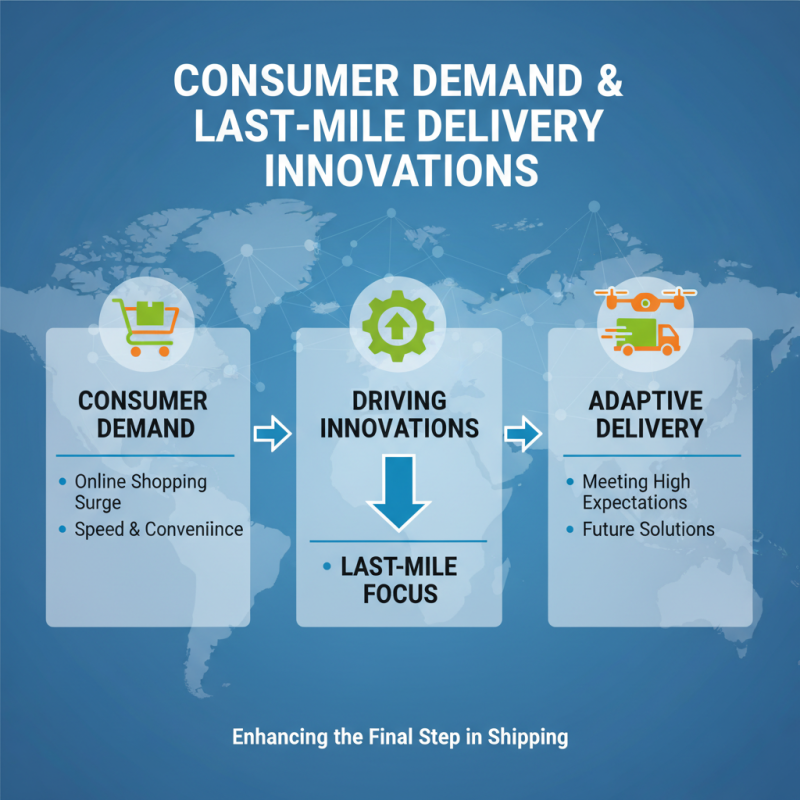
In the evolving world of shipping, last-mile delivery remains a critical focus. Consumer demand is driving innovations that aim to enhance this final step. With more people shopping online, speed and convenience are more important than ever. Delivery solutions must adapt to meet these rising expectations.
Companies are experimenting with various technologies. Drones are being tested in urban areas. Autonomous vehicles are another emerging solution. However, these innovations also face challenges. Regulatory hurdles and safety concerns can slow down progress. Some neighborhoods are not suitable for drones. There’s also the question of privacy and noise pollution.
Simultaneously, there’s a shift toward sustainability. Consumers increasingly prefer eco-friendly options. This trend challenges companies to rethink their delivery methods. While electric vehicles can cut emissions, infrastructure and costs remain barriers. It’s a delicate balance between efficiency and responsibility. The industry must continually reflect on its practices to meet evolving demands effectively.
Automation and Robotics: Shaping the Future of Logistics Operations
Automation and robotics are transforming logistics operations significantly. These technologies streamline processes and increase efficiency. Robots can now handle repetitive tasks like sorting and packing. This reduces human error and speeds up delivery times. However, implementing these technologies comes with challenges.
Many companies struggle with integration. Automation systems must communicate seamlessly with existing frameworks. Training staff to work alongside robots is another hurdle. Employees may feel threatened by these changes. They need reassurance that their roles will evolve, not disappear.
Despite these challenges, the benefits are clear. Automated systems can operate 24/7, minimizing downtime. Robotics can manage inventory with precision, reducing waste. Companies that adapt will lead in the competitive logistics landscape. Yet, they must remain cautious. Balancing tech adoption with workforce needs is critical for success.
2026 Shipping and Logistics Trends: Automation and Robotics