2026 Best Air Freight Shipping Options for Efficient Global Logistics?
In the fast-evolving world of logistics, air freight shipping stands out as a critical component. Experts emphasize its importance in connecting markets rapidly. James Parker, a renowned logistics consultant, once said, “Air freight shipping is the heartbeat of global trade.” This underscores how vital efficient shipping options are for businesses today.
As we look ahead to 2026, different air freight options will emerge. Companies increasingly seek reliable solutions that enhance efficiency. However, not all methods meet the industry's demanding needs. Some carriers may struggle with delays, and capacity issues might arise. These challenges pinpoint areas where improvement is necessary.
The world of air freight shipping is complex. Choosing the right partner is crucial. Companies must analyze performance and costs carefully. It's essential to grasp how each option offers unique advantages and obstacles. Logistics is not just about speed; it’s about strategic decision-making. Reflecting on these elements shapes better shipping practices for the future.

Overview of Air Freight Shipping in Global Logistics
Air freight shipping plays a crucial role in global logistics. It offers a fast and reliable way to move goods across continents. According to industry reports, air freight accounts for about 35% of global trade by value. This highlights its significance in today’s economy. However, it can be costly compared to sea freight. Businesses must weigh speed against expense.
The efficiency of air freight significantly reduces lead times. For instance, a shipment from Asia to Europe can take just 1-3 days by air. In contrast, shipping by sea can take weeks. This quick turnaround is vital for perishable goods and high-demand items. Yet, capacity constraints can lead to delays. Some companies report that limited airline availability affects their supply chains. It emphasizes the importance of strategic planning in logistics.
Sustainability is a growing concern in air freight. The industry contributes to carbon emissions, prompting calls for greener alternatives. Reports indicate that air freight can be up to 10 times more polluting than sea transport. Many logistics providers are exploring eco-friendly options. However, progress is slow and fraught with challenges. Balancing speed, cost, and environmental impact remains a complex task.
Key Factors Influencing Air Freight Efficiency
Effective air freight logistics depend on several key factors. Speed is crucial. Reports show that air shipping can be up to 50% faster than sea freight. This speed is vital for perishables and urgent shipments. However, the higher cost of air freight often makes it less appealing for non-urgent deliveries. Companies need to evaluate the cost versus speed dilemma.
Capacity and availability are also critical. In 2022, global air freight capacity was down by 8% compared to pre-pandemic levels. This shortage can lead to delays and increased costs. Forwarders must manage these constraints effectively. Finding reliable partners is essential to navigate these challenges.
Moreover, environmental impact is increasingly influential. The air freight sector is responsible for 2% of global CO2 emissions. Companies are looking for greener options, such as using biofuels. However, the transition to sustainable practices is still slow. The industry needs to balance efficiency with environmental responsibility.
2026 Best Air Freight Shipping Options for Efficient Global Logistics
| Service Type |
Transit Time (Days) |
Cost (USD per kg) |
Max Weight (kg) |
Tracking Availability |
| Express Air Freight |
1-3 |
15.00 |
500 |
Yes |
| Standard Air Freight |
4-7 |
8.00 |
1000 |
Yes |
| Economy Air Freight |
7-10 |
5.00 |
2000 |
Limited |
| Charter Services |
Varies |
Custom |
Up to 10000 |
Yes |
Top Air Freight Shipping Companies for 2026
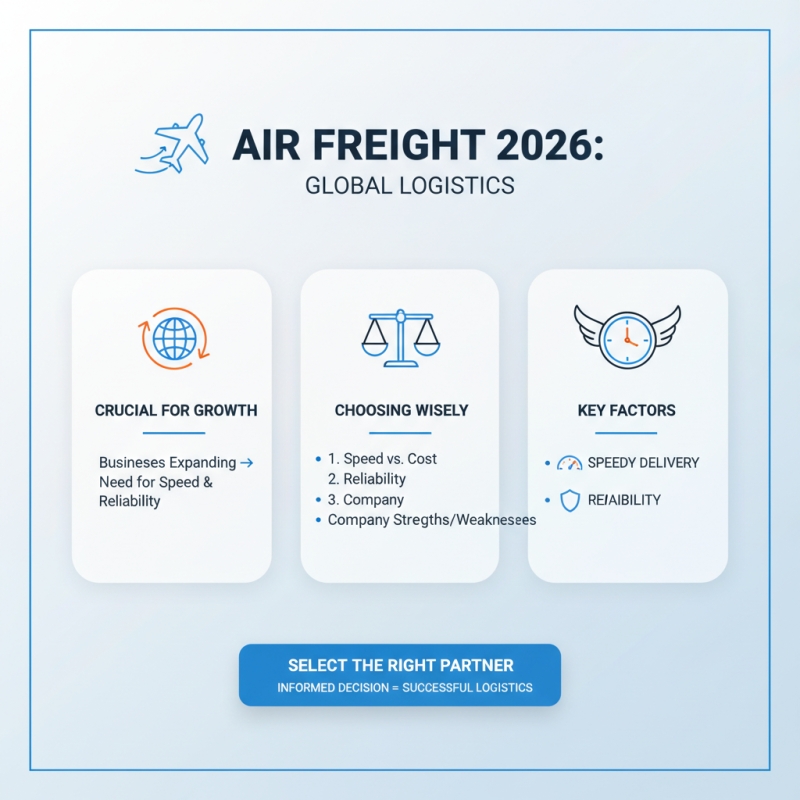
Air freight shipping is crucial for global logistics in 2026. With businesses expanding, selecting the right shipping company is vital. Many options exist, but understanding each one's strengths and weaknesses is essential. Speed and reliability are key factors. Some companies excel in quick deliveries, while others may offer better rates but slower transit times.
In this competitive landscape, air freight companies face challenges. Capacity constraints and fluctuating fuel prices can impact service. Businesses must be aware of these variables when selecting a carrier. Transparency in pricing is also necessary. Hidden fees can derail budgets and lead to frustration. Clients should seek companies that provide clear pricing structures.
Choosing the best air freight option requires careful evaluation. Assessing delivery times and costs against needs will guide the decision. Companies should also consider technology integration. Efficient tracking systems can offer peace of mind. In an ever-changing industry, adaptability is crucial for success. Moving forward, logistics professionals must stay informed and flexible.
Innovative Technologies in Air Freight Solutions
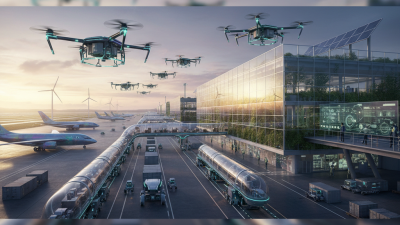
The air freight industry is evolving rapidly. Innovative technologies are at the forefront of this transformation. From drone delivery systems to advanced tracking solutions, technology is redefining logistics. According to a recent industry report, the global air cargo market is expected to reach $134 billion by 2026. This growth highlights the need for efficient shipping solutions.
Automation plays a significant role in air freight. Robotics in warehouses can speed up the sorting of packages. Real-time tracking systems enhance visibility throughout the shipping process. However, the integration of these technologies can be challenging. Not all companies can afford significant investments in infrastructure improvements. Smaller firms often struggle to compete.
Moreover, sustainability is becoming an essential focus in air logistics. Many logistics providers are exploring eco-friendly practices. Some are investing in biofuel technologies. But implementing these practices can be complex and costly. The balance between innovation and sustainability requires careful consideration. As the industry continues to change, companies must adapt and rethink traditional methods.
Sustainable Practices in Air Freight Logistics
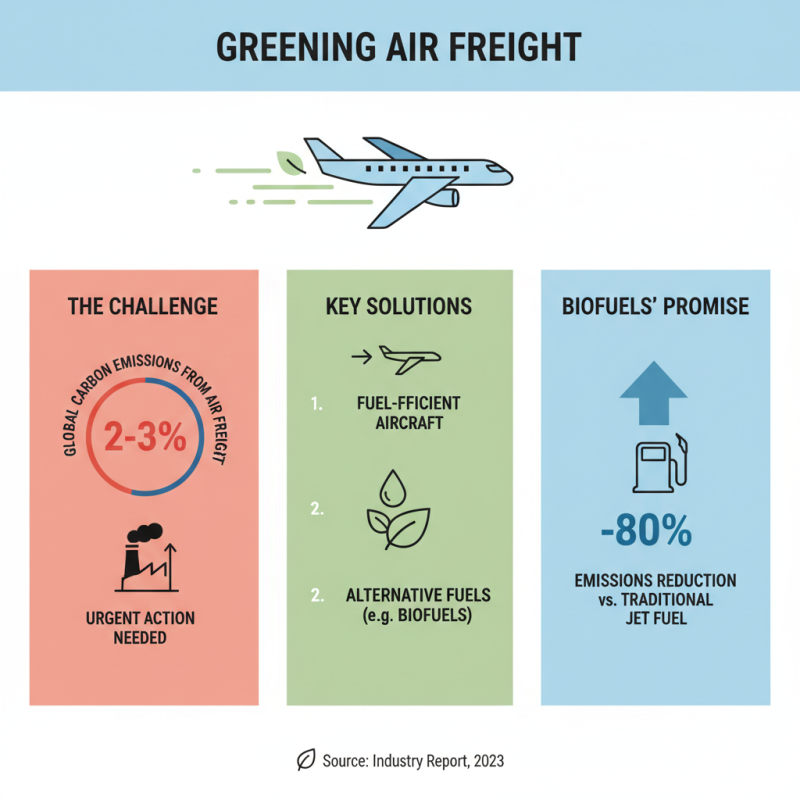
Air freight logistics faces increasing pressure to adopt sustainable practices. According to a recent report, air freight accounts for around 2-3% of global carbon emissions. This figure demands urgent action. Companies are exploring options like fuel-efficient aircraft and alternative fuels. Recent advances in biofuels show promise, potentially reducing emissions by up to 80% compared to traditional jet fuel.
Moreover, stringent regulations are emerging worldwide. The International Air Transport Association (IATA) aims for net-zero emissions by 2050. Many carriers are adapting their strategies to meet this target. However, the transition is not without its challenges. Current technology cannot fully eliminate carbon footprints. This raises questions about the viability of some “green” initiatives.
Supply chains must also consider the environmental impact of packaging and logistics. The increase in e-commerce adds pressure to streamline processes without harming the planet. While the industry strives for improvement, many are still dependent on outdated methods. Today’s logistics require reflection on past practices. Transitioning to sustainable operations is a complex journey, but necessary for a greener future.