2025 Guide: How to Navigate Ocean Freight Shipping for Your Business
Navigating the complexities of ocean freight shipping can be a daunting task for businesses looking to expand their reach across international waters. As global trade continues to evolve, understanding the nuances of this vital logistics component is essential for any company aiming to optimize their supply chain. In 2025, with advancements in technology and shifts in market dynamics, it becomes increasingly important for businesses to equip themselves with the knowledge and strategies necessary to effectively manage their ocean freight shipping operations.
This guide will serve as a comprehensive resource, outlining key considerations and practical steps to streamline your ocean freight shipping processes. From selecting the right carriers to understanding shipping regulations and tracking shipments, we will delve into the essential aspects of ocean freight that can significantly impact your business’s bottom line. Whether you are a seasoned importer or a newcomer to the global shipping arena, grasping the intricacies of ocean freight shipping will empower you to make informed decisions that enhance efficiency, reduce costs, and ultimately drive growth in your business.

Understanding Ocean Freight Shipping: Key Concepts and Terminology
Navigating the complexities of ocean freight shipping requires a strong understanding of key concepts and terminology. Essentially, ocean freight is the movement of goods via ships across international waters, which is a cost-effective solution for transporting large volumes. According to the World Trade Organization, around 80% of global trade by volume is carried out through maritime transport, highlighting its significance in the logistics industry. Understanding terms such as “containerization,” which refers to the use of standardized containers for shipping, and “bill of lading,” a document that serves as a receipt and contract for the transportation of goods, is crucial for smooth operations.
Furthermore, it’s important to grasp concepts like “freight forwarding,” where intermediaries facilitate shipping logistics, and “demurrage fees,” which are charges incurred when containers are held beyond the agreed free time. A report from the International Maritime Organization states that efficient logistical planning can save businesses up to 30% on shipping costs. Additionally, knowledge of the Incoterms (International Commercial Terms) is vital, as these standardize shipping responsibilities and risk management between buyers and sellers. As you plan for 2025, understanding these fundamental elements will significantly enhance your business's shipping efficiency and cost management.
Choosing the Right Shipping Method: FCL vs. LCL
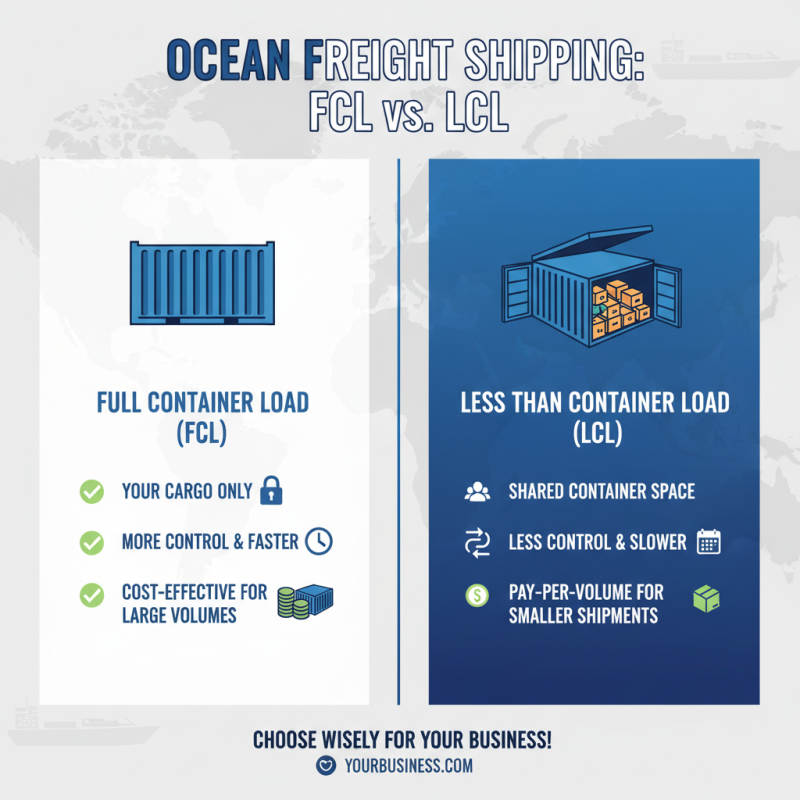
When navigating ocean freight shipping for your business, one of the most crucial decisions you will make is choosing between Full Container Load (FCL) and Less than Container Load (LCL) shipping methods. FCL is often preferred by businesses that have enough cargo to fill an entire container. This method provides several advantages, including more control over transit times and reduced risk of damage since your cargo is not mixed with other shipments. Additionally, FCL typically offers better pricing for larger shipments, making it a cost-effective solution for high-volume transport.
On the other hand, if your cargo volume is smaller and does not justify the cost of an entire container, LCL can be the ideal choice. LCL allows you to share container space with other shippers, which can significantly lower shipping costs for smaller loads. However, it’s essential to consider that LCL shipments may face longer transit times due to the consolidation process and increased handling. Thus, while LCL provides flexibility for smaller shipments, businesses should weigh the potential risks such as a higher likelihood of damage and the overall timeline for delivery against the cost savings it offers. Understanding the nuances of both methods will help businesses make informed decisions tailored to their specific shipping needs.
Preparing Your Goods for Shipment: Packaging and Documentation
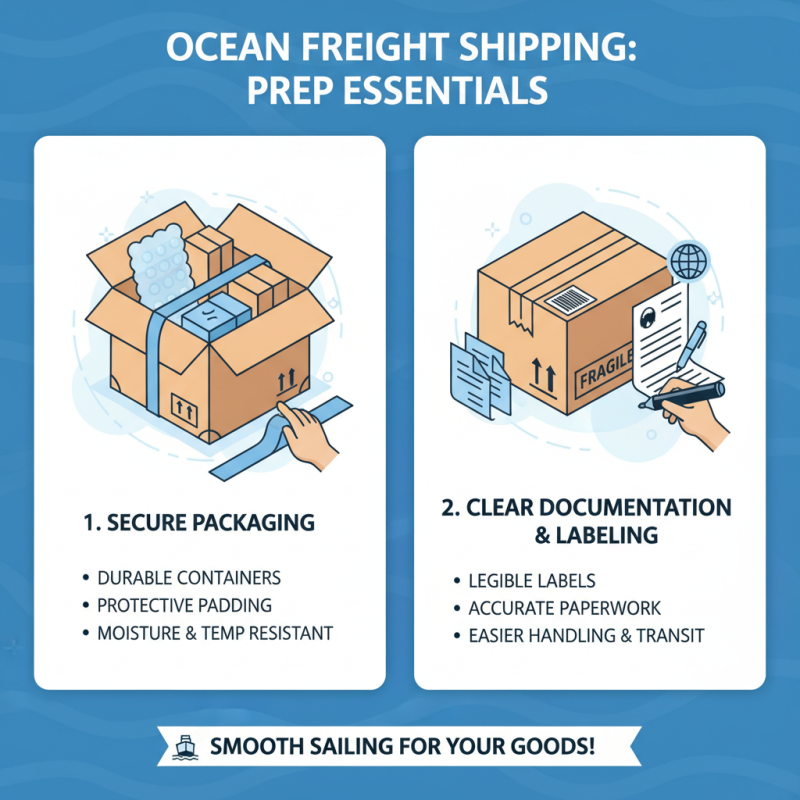
When preparing your goods for ocean freight shipping, proper packaging and documentation are crucial to ensuring a smooth and efficient shipping process. First and foremost, it is essential to package your goods securely. This means selecting appropriate materials that can withstand the rigors of ocean transportation, such as moisture and temperature fluctuations. Utilizing durable containers and protective padding will help safeguard your items from potential damage. Additionally, clearly labeling each package can prevent confusion during transit and facilitate easier handling.
Documentation is equally important in the shipping process. Accurate and comprehensive paperwork can prevent delays and potential fines. Key documents include the bill of lading, commercial invoice, and packing list, all of which provide vital information about the shipment. Ensure that all descriptions are precise and that quantities match the physical goods. Moreover, depending on the nature of your products, you may need specific permits or certificates to comply with international shipping regulations. Being meticulous in your documentation can help mitigate issues at customs and streamline the overall shipping experience.
Navigating Customs and Regulations: What You Need to Know
Navigating the complexities of customs and regulations is essential for businesses engaging in ocean freight shipping.
Understanding local and international rules can help you avoid delays and fines, ensuring that your shipments arrive on time and in compliance. Every country has its own customs procedures,
duties, and tariffs, so it's crucial to research and understand these regulations before shipping your products.
Tips for smooth customs clearance include maintaining accurate documentation.
Ensure you have all necessary paperwork, such as the bill of lading, commercial invoice, and packing list,
prepared and readily available. This not only facilitates the customs process, but also helps you address any questions or concerns
from customs officials promptly. Additionally, working with a customs broker can provide valuable insights
into any specific local customs requirements and help you navigate the process more efficiently.
Another important aspect is to stay informed about any changes in regulations.
Customs policies can shift due to political or economic factors, and businesses must adapt quickly to maintain compliance.
Joining industry associations or subscribing to relevant newsletters can be beneficial for keeping up to date
with regulatory changes that could impact your shipping practices. Regularly reviewing and updating your shipping processes will ensure your business remains compliant
while minimizing potential disruptions.
Cost Management in Ocean Freight: Budgeting and Hidden Fees
Managing costs in ocean freight shipping is crucial for businesses looking to optimize their supply chains. One of the primary challenges shippers face is budgeting accurately. With various factors influencing shipping rates, such as fuel costs, carrier fees, and seasonal demand fluctuations, establishing a precise shipping budget can be complicated. Businesses should utilize tools and software that provide real-time rate comparisons and forecasting to anticipate changes in shipping expenses.
Hidden fees are another significant aspect of ocean freight that can catch businesses off guard. Charges such as demurrage, detention, customs fees, and port handling can accumulate quickly, leading to a substantial increase in overall shipping costs. It’s essential for businesses to thoroughly review contracts and understand all potential charges that may apply. Creating a checklist of common hidden fees, engaging directly with freight forwarders, and asking for transparent pricing can help mitigate unexpected costs and ensure better financial planning throughout the shipping process.
2025 Guide: Cost Management in Ocean Freight
This chart represents the average cost breakdown of ocean freight shipping for businesses, highlighting key components that contribute to the total expenditure.