Contact Us 440-356-5353

Top 10 Railroad Materials to Buy for Your Next Project?

In the railroad industry, selecting the right materials is crucial for ensuring project success. According to a recent study by the Association of American Railroads, investing in high-quality railroad materials can lead to a 30% reduction in maintenance costs over the lifetime of a project. Renowned expert Dr. Jane Thompson notes, "The right materials not only enhance safety but also improve overall track performance."

From rails to ties, every component plays a significant role. The procurement of quality railroad materials can directly influence both efficiency and durability. Many projects have faced delays due to subpar materials, highlighting the importance of making informed choices.

The railroad materials market is evolving, with new technologies and innovations emerging. Staying updated on these developments is essential for project managers and contractors alike. Engaging with experts and utilizing recent data will guide better decision-making in material selection. Ultimately, the long-term success of any railroad project hinges on the materials chosen.
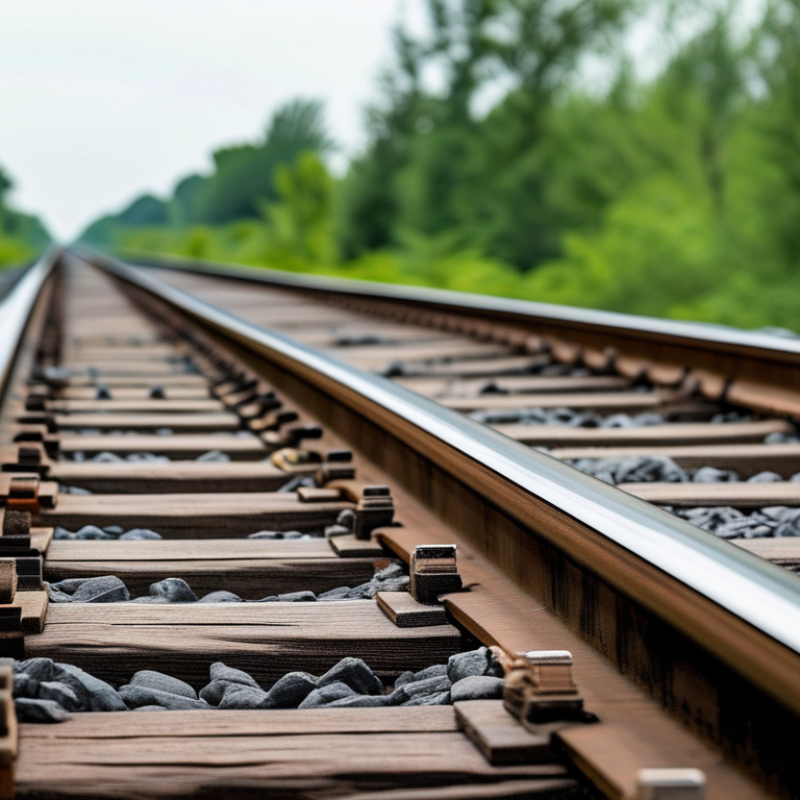
Top 10 Railroad Materials to Buy for Your Next Project?

Essential Track Materials for Construction and Repair Projects

In railroad construction and repair, selecting essential materials is crucial. Quality track materials ensure durability and safety. Steel rails are a top priority. They provide structural integrity, resisting wear and weather. Proper installation requires knowledge and skill.

Ballast is another vital component. It supports the track and facilitates drainage. Choosing the right size and type of ballast affects stability. Gravel is commonly used, but crushed stone also works well. Over time, it can degrade, necessitating regular assessment and replacement.

Rail ties are fundamental for keeping the rails aligned. Wooden ties are traditional but may rot or warp. Concrete ties offer longer life but may require unique tools for installation. Regular inspection helps identify wear. Knowing when to replace materials can save time and money. Investing in the right railroad materials pays off, especially in the long run.

Durable Fasteners and Connectors for Railroad Infrastructure

When it comes to railroad infrastructure, durability is key. Fasteners and connectors play a critical role in ensuring the safety and longevity of the railway network. Selecting the right materials can lead to fewer maintenance issues and reduce costs over time. High-quality bolts and nuts can resist harsh weather, providing stability.

Railroad connectors, such as rail joints and clips, are equally important. They must withstand heavy loads and vibration. Corrosion-resistant materials are a must for outdoor applications. The connection points should be easy to install yet robust enough to handle tension and compression.

However, even with the best materials, issues can arise. Sometimes, fasteners fail due to improper installation or environmental factors. Regular inspections are essential to address wear and tear. Although advanced materials exist, nothing beats diligent oversight. Knowledgeable personnel can greatly influence the effectiveness of these components.

High-Quality Rail Siding Options for Enhanced Performance

When it comes to rail siding materials, choosing the right options can significantly enhance the performance of your project. Quality rail siding not only ensures durability but also improves safety and efficiency. Various options are available, each suited for different applications and environmental conditions. Consider selecting materials that have proven track records in various climates. This aspect is crucial for long-term functionality.

The installation process also plays a vital role in the overall effectiveness of rail siding. Professional guidance can help avoid common pitfalls, such as improper alignment and inadequate support structures. While some may opt for DIY approaches, the outcome could lead to costly mistakes. Investing time in research and expert consultation can make a significant difference.

It's essential to weigh the pros and cons of every material type. Certain materials may offer superior strength but could come with higher costs. On the other hand, budget-friendly options may lack longevity. Understanding these trade-offs will enable you to make informed decisions that align with your project requirements. Every choice affects the final outcome, and reflection on these decisions is also part of the process.

Advanced Signaling Equipment to Improve Safety and Efficiency

In the realm of railway projects, advanced signaling equipment plays a critical role in enhancing safety and efficiency. Investing in high-quality signaling systems can dramatically reduce the risk of accidents. It helps manage train movements more effectively, ensuring timely arrivals and departures. These systems utilize cutting-edge technology to monitor real-time conditions on the track.

However, not all signaling solutions are perfect. Implementing these systems can present challenges, such as integration with existing infrastructure. Some technologies may require extensive training for personnel. It's essential to consider these factors before making a purchasing decision. Analyzing past projects and consulting with experts can guide your choices.

Effective signaling does not just prevent collisions; it improves overall system reliability. This, in turn, enhances user satisfaction and operational efficiency. Yet, the high initial investment can seem daunting. Conducting thorough research and considering long-term benefits will help justify the costs. Balancing innovation with practicality is key to a successful railway project.

Top 10 Railroad Materials to Buy for Your Next Project

Protection and Maintenance Supplies for Long-lasting Rail Systems

When it comes to rail systems, protection and maintenance are crucial for longevity. The rail industry faces significant challenges with wear and tear. According to a report by the Federal Railroad Administration, over 40% of railroad maintenance costs stem from inadequate protection measures. Using quality protection supplies can mitigate this issue.

One essential category of materials is corrosion-resistant coatings. These coatings can extend the lifespan of vital components by up to 30%. Similarly, rail lubricants are key. Regular application of lubricants can reduce friction and wear, improving efficiency. Yet, many projects overlook these simple solutions, leading to costly repairs.

The choice of protective barriers also impacts the system's durability. Studies show that proper barriers can decrease damage from environmental factors by nearly 25%. This highlights the importance of investing in high-quality maintenance supplies. However, not all rail systems follow best practices. Investing in proper materials is a step toward better rail health. Such practices can be the difference between operational efficiency and premature failures.

Article Source: