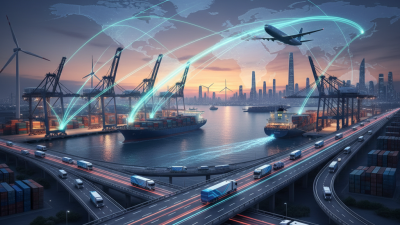
In today's global marketplace, international freight is vital for buyers. Understanding how to navigate logistics can significantly impact business success. Efficient freight management ensures timely delivery and cost savings. Yet, many buyers overlook critical aspects.
International freight involves various factors. Choosing the right carrier is essential. Buyers should understand shipping terms and customs procedures. These elements can be complex and overwhelming, especially for newcomers. Mistakes can lead to delays and extra costs.
Buyers must also consider freight insurance. Protecting shipments from damage or loss is crucial. This is often a neglected area, yet it safeguards investments. Lastly, constant communication with suppliers enhances the shipping process. Strengthening these relationships can lead to smoother operations.
Understanding international freight can seem complex. Key terms help simplify the process. Knowing the vocabulary makes navigating global shipping easier and more efficient.
One important term is "Incoterms." These are international rules defining buyers' and sellers' responsibilities. For example, FOB (Free on Board) indicates who pays for transportation and risk during shipping. Another crucial concept is "Customs Clearance." This involves complying with regulations when goods cross borders. A misunderstanding here can delay shipments.
Shipping methods also play a significant role. Air freight is faster but more expensive. Sea freight saves costs but requires patience. Each method has its pros and cons. Finally, understanding weight and volume measurements is essential. These factors can significantly impact shipping costs. Even small mistakes can lead to higher fees. It's vital to double-check all details to avoid unnecessary expenses.
Evaluating freight costs involves multiple factors that can significantly influence shipping rates globally. Key elements include distance, weight, and dimensions of cargo. Longer distances typically result in higher costs, while heavier shipments could affect pricing due to fuel consumption. Understanding these dynamics is crucial for global buyers.
Moreover, varying regional regulations can impact freight costs. Tariffs, duties, and taxes may apply depending on the origin or destination country. Unexpected costs can arise if compliance is not thoroughly checked. Shipping methods also play an important role; air freight is typically more expensive than sea freight, but offers speed and reliability.
Seasonal factors shouldn’t be overlooked either. Peak seasons see increased demand, which can drive prices higher. Unforeseen events, like natural disasters, may also disrupt supply chains and inflate costs. Keeping an eye on market trends and planning ahead is essential to avoid financial surprises. Global buyers should continuously evaluate their strategies and stay informed.
Choosing the right shipping method is crucial for global buyers. Three main options are available: air, ocean, and land freight. Each has its own benefits and drawbacks. Air freight is fast but expensive, ideal for high-value or urgent shipments. According to a report by IATA, air freight accounted for 35% of global trade value in 2020, despite representing just 1% of cargo volume. This reflects its efficiency for premium goods.
Ocean freight, on the other hand, serves bulk shipments well. It’s cost-effective but slower. In 2021, approximately 90% of global trade was carried by sea transport, according to the United Nations Conference on Trade and Development (UNCTAD). However, one must consider the complexities of customs clearance, documentation, and potential delays. Additionally, reliance on ocean logistics can lead to unpredictability due to port congestion.
Land freight offers flexibility, especially for regional shipments. It's often used for transporting goods over short distances. Studies show that the road freight market is projected to grow by 4.5% annually, driven by e-commerce. However, it may not always provide the best time efficiency across longer distances. Buyers should weigh these variables carefully, ensuring they balance cost, speed, and reliability for their specific needs.
Customs clearance is a critical step in international trade. Proper documentation can ease the importing process significantly. According to a study by the World Bank, delays in customs clearance can increase transaction costs by up to 30%. Buyers must be aware of the essential documents required for their shipments.
Key documents include the commercial invoice, packing list, and bill of lading. The commercial invoice provides details about the transaction, including price and terms. The packing list outlines the contents of the shipment, making it easy for customs officials to verify the cargo. A bill of lading serves as a receipt for the goods, outlining the carrier's responsibilities.
Trade data reveals that shipping errors often stem from incomplete paperwork. In fact, around 25% of shipments face delays due to documentation issues. Buyers should ensure accuracy in their submissions. Missing or incorrect information can result in costly penalties and prolonged clearance times. It's crucial to double-check each document to avoid these pitfalls. Engaging a customs broker can help navigate these complexities, but buyers must remain proactive.
| Tip Number | Tip | Description | Essential Documents |
|---|---|---|---|
| 1 | Know Your Regulations | Familiarize yourself with the import regulations of your destination country. | Import Licenses, Compliance Documentation |
| 2 | Choose the Right Incoterms | Select appropriate Incoterms that define the responsibilities of buyers and sellers. | Invoice, Sales Contract |
| 3 | Ensure Proper Packaging | Use appropriate packaging to protect goods during transit. | Packing List, Shipping Label |
| 4 | Secure Insurance | Consider shipping insurance to cover potential losses during transport. | Insurance Certificate |
| 5 | Work with a Customs Broker | Engage a knowledgeable customs broker to facilitate smooth clearance. | Broker Authorization Form |
| 6 | Prepare for Duties and Taxes | Understand applicable duties and taxes to avoid surprises. | Customs Declaration, Duty Payment Receipt |
| 7 | Document Everything | Keep thorough records of all transactions and communications. | Invoice, Shipping Documents |
| 8 | Stay Informed about Trade Policies | Regularly check updates on trade policies affecting your imports. | Trade Policy Guidelines |
| 9 | Utilize Technology | Leverage software tools for tracking shipments and documentation. | Tracking Information, Software Access |
| 10 | Review and Update Processes | Continuously evaluate and refine your importing processes for efficiency. | Process Improvement Documentation |
Tracking and transparency are crucial in the world of international freight. Advanced technologies help enhance visibility throughout the shipping process. Real-time tracking systems allow buyers to monitor their shipments from origin to destination. This ability to track freight minimizes miscommunication and reduces anxiety.
Using GPS and RFID technology can improve accuracy. These tools provide updates on the shipment's location and condition. However, some companies still struggle with integrating these technologies effectively. Transparency in freight can sometimes feel elusive. Not all logistics providers prioritize it, leading to gaps in communication. This can create confusion for global buyers who depend on timely information.
Moreover, data analytics play a key role. Companies can analyze freight trends and predict potential delays. This informs better decision-making. Yet, analyzing data is not always straightforward. It requires expertise to interpret the information correctly. Some businesses may overlook this necessity, leading to misinformed strategies. By embracing technology with careful consideration, global buyers can improve their freight experience.